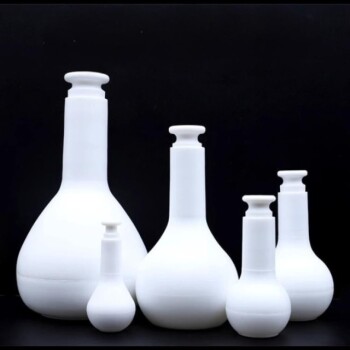
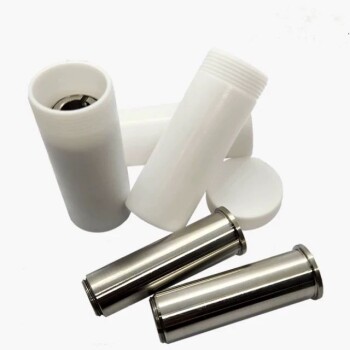
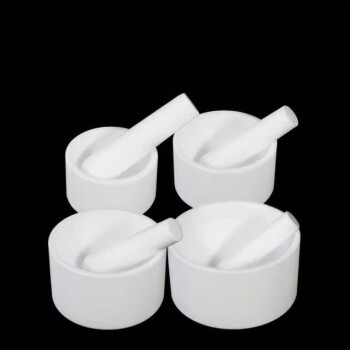
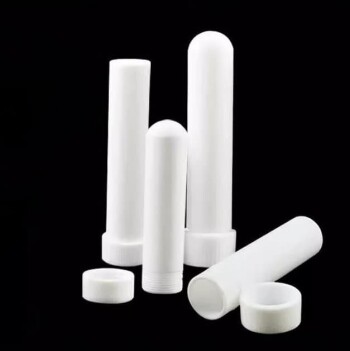
Polytetrafluoroethylene (PTFE) containers serve as the chemically inert baseline required to accurately assess the corrosion resistance of glassified waste. In long-term leaching experiments typically conducted at constant temperatures of 90°C, these vessels are critical because they do not react with corrosive solutions. This ensures that any chemical changes detected are solely a result of the waste glass degrading, rather than contamination from the container itself.
The integrity of nuclear waste safety assessments relies on isolating the test material from external variables. PTFE is essential because its complete chemical inertness prevents the release of interfering ions, ensuring that measurements of mass loss and glass matrix degradation are precise and attributable only to the vitrified product.
The Critical Role of Chemical Inertness
Eliminating Cross-Contamination
The primary function of a container in leaching experiments is to hold the solution without becoming part of the experiment. PTFE is unique because it ensures the vessel does not release ions into the leaching solution.
Ensuring Accurate Mass Spectrometry
Researchers often use high-precision methods like mass spectrometry to detect trace elements released by degrading glass. If the container were to leach even minute amounts of chemicals, it would create "noise" in the data. PTFE provides a neutral background, allowing for the clear detection of elements released specifically from the glass matrix.
Precise Degradation Measurement
Assessing corrosion involves measuring the mass loss of the waste form over time. Because PTFE does not react or degrade in these conditions, researchers can be certain that any reduction in mass is strictly due to the corrosion of the glassified waste, not the container.
Simulating Geological Storage Conditions
Thermal Stability at 90°C
To model real-world scenarios, experiments often simulate groundwater environments at elevated temperatures, typically 90°C. PTFE maintains its structural and chemical integrity at this specific temperature, making it ideal for these thermal simulations.
Reliability in Long-Term Experiments
Glass corrosion assessments are not instantaneous; they are long-term leaching experiments. The vessel must remain stable over extended periods to provide consistent data regarding the long-term safety of the vitrified product.
Common Pitfalls to Avoid
The Danger of Alternative Materials
A common error in corrosion testing is selecting container materials that share chemical properties with the test subject. For example, using standard glass beakers to test glassified waste would result in data interference.
Distinguishing Source from Noise
If a non-inert container is used, it may release silica or other ions into the solution. This makes it impossible to distinguish whether the dissolved elements came from the waste form or the vessel, rendering the safety assessment invalid.
Making the Right Choice for Your Goal
To ensure your corrosion resistance testing meets the rigorous standards required for safety assessments, consider the following:
- If your primary focus is data purity: Utilize PTFE exclusively to prevent ion release and ensure that mass spectrometry results reflect only the waste glass composition.
- If your primary focus is environmental simulation: Rely on PTFE’s thermal stability to maintain a neutral environment during long-term heating at 90°C.
By removing the container as a chemical variable, PTFE allows researchers to objectively validate the long-term durability of vitrified nuclear waste.
Summary Table:
| Feature | Importance in Glass Corrosion Testing |
|---|---|
| Chemical Inertness | Prevents ion release and contamination of the leaching solution. |
| Thermal Stability | Maintains integrity during long-term experiments at constant 90°C. |
| Data Accuracy | Provides a neutral background for precise mass spectrometry results. |
| Reliability | Ensures measured mass loss is solely attributable to glass degradation. |
Secure the Integrity of Your Nuclear Waste Safety Assessments
Precision in corrosion resistance testing starts with the right materials. KINTEK specializes in high-quality laboratory consumables, including a comprehensive range of PTFE products and ceramics designed to withstand the rigorous demands of long-term leaching experiments.
Whether you are conducting vitrification research, chemical analysis, or environmental simulations, our premium PTFE containers provide the chemically inert baseline required for objective data purity. Beyond consumables, KINTEK offers advanced high-temperature furnaces, hydraulic presses, and crushing systems to support every stage of your material research.
Eliminate variables and ensure data accuracy today. Contact our laboratory experts to find the perfect PTFE solutions and equipment for your specialized research needs!
References
- S.Yu. Sayenko, Volodymyr Morgunov. Vitrification of a Simulator of Vat Residues from Liquid Radioactive Waste. DOI: 10.26565/2312-4334-2023-1-11
This article is also based on technical information from Kintek Solution Knowledge Base .
Related Products
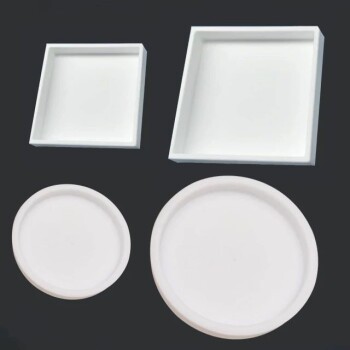
- Custom PTFE Teflon Parts Manufacturer for PTFE Containers
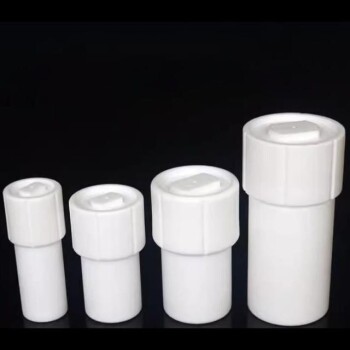
- Custom PTFE Teflon Parts Manufacturer for Microwave Digestion Tank
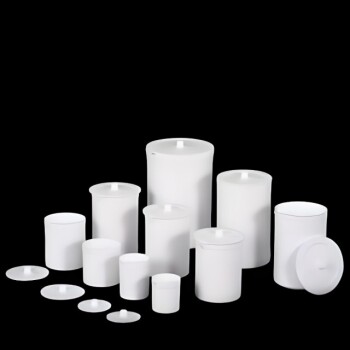
- Custom PTFE Teflon Parts Manufacturer PTFE Beaker and Lids
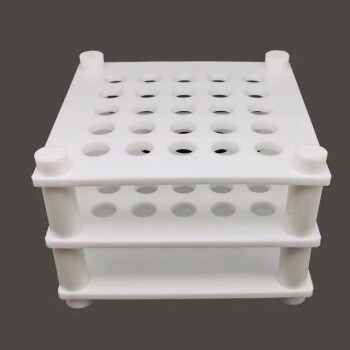
- Custom PTFE Teflon Parts Manufacturer for Centrifuge Tube Racks
- Custom PTFE Teflon Parts Manufacturer Corrosion Resistant Cleaning Rack Flower Basket
People Also Ask
- Why are PTFE containers required for PCT leaching tests? Ensure Chemical Inertness and Analytical Precision
- Why are PTFE containers necessary for selective HF etching of MAX phases? Ensure Safe & Pure MXene Synthesis
- Why is PTFE Mandatory for Hydrofluoric Acid (HF) Handling? Ensure Safety and Data Integrity in Corrosion Testing
- Why is a PTFE container required for acid leaching of silicon nanosheets? Ensure High Purity and Safety
- Why use high-quality PTFE containers for CO2 reduction electrolytes? Eliminate silicon contamination and ensure data.