Optical Materials
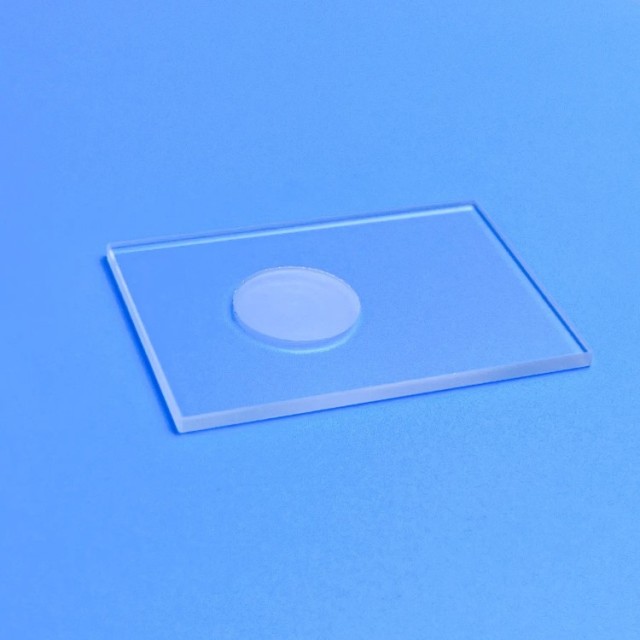
XRD Sample Holder X-ray Diffractometer Powder Slide
Item Number : KTOM-XRD
Price varies based on specs and customizations
- transparency
- >90%
- diameter
- 0.2-1000mm
- thickness
- 0.1-500mm

Shipping:
Contact us to get shipping details Enjoy On-time Dispatch Guarantee.
Why Choose Us
Easy ordering process, quality products, and dedicated support for your business success.
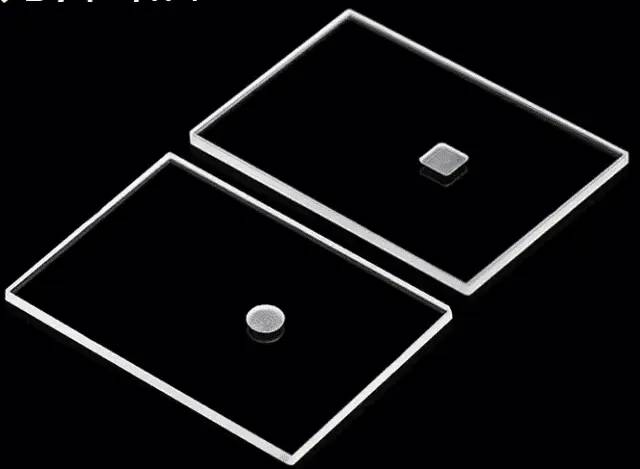
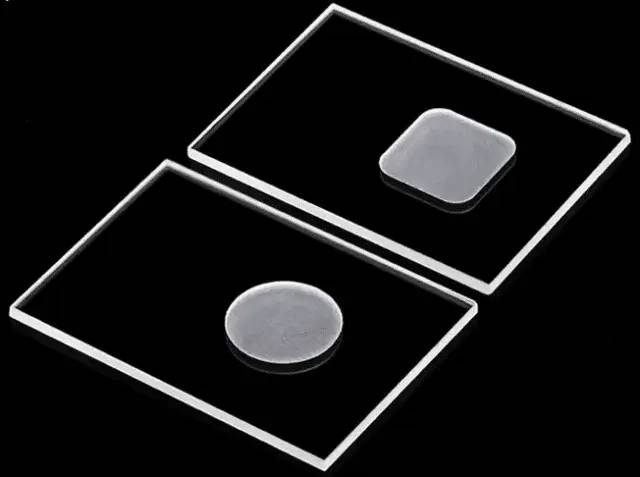
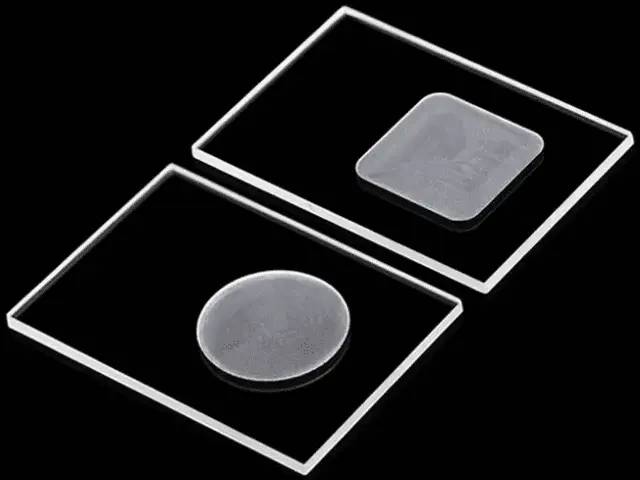
XRD sample holder
In 1912, Max von Laue made the groundbreaking discovery that crystalline substances can serve as three-dimensional diffraction gratings for X-ray wavelengths, utilizing the spacing of planes within a crystal lattice. This discovery paved the way for X-ray diffraction, which has become a widely used technique for investigating crystal structures and atomic spacing. X-ray diffraction relies on the constructive interference of monochromatic X-rays with a crystalline sample. These X-rays are produced by a cathode ray tube, filtered to create monochromatic radiation, collimated for concentration, and directed toward the sample. The diffracted rays are then collected for analysis. The angle between the incident and diffracted rays plays a critical role in all diffraction methods. While powder and single crystal diffraction differ in terms of instrumentation, this angle remains a fundamental component of all diffraction processes.
Detail & Parts

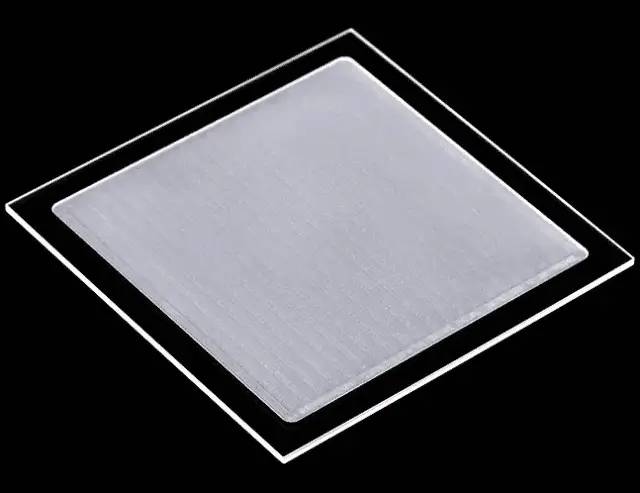
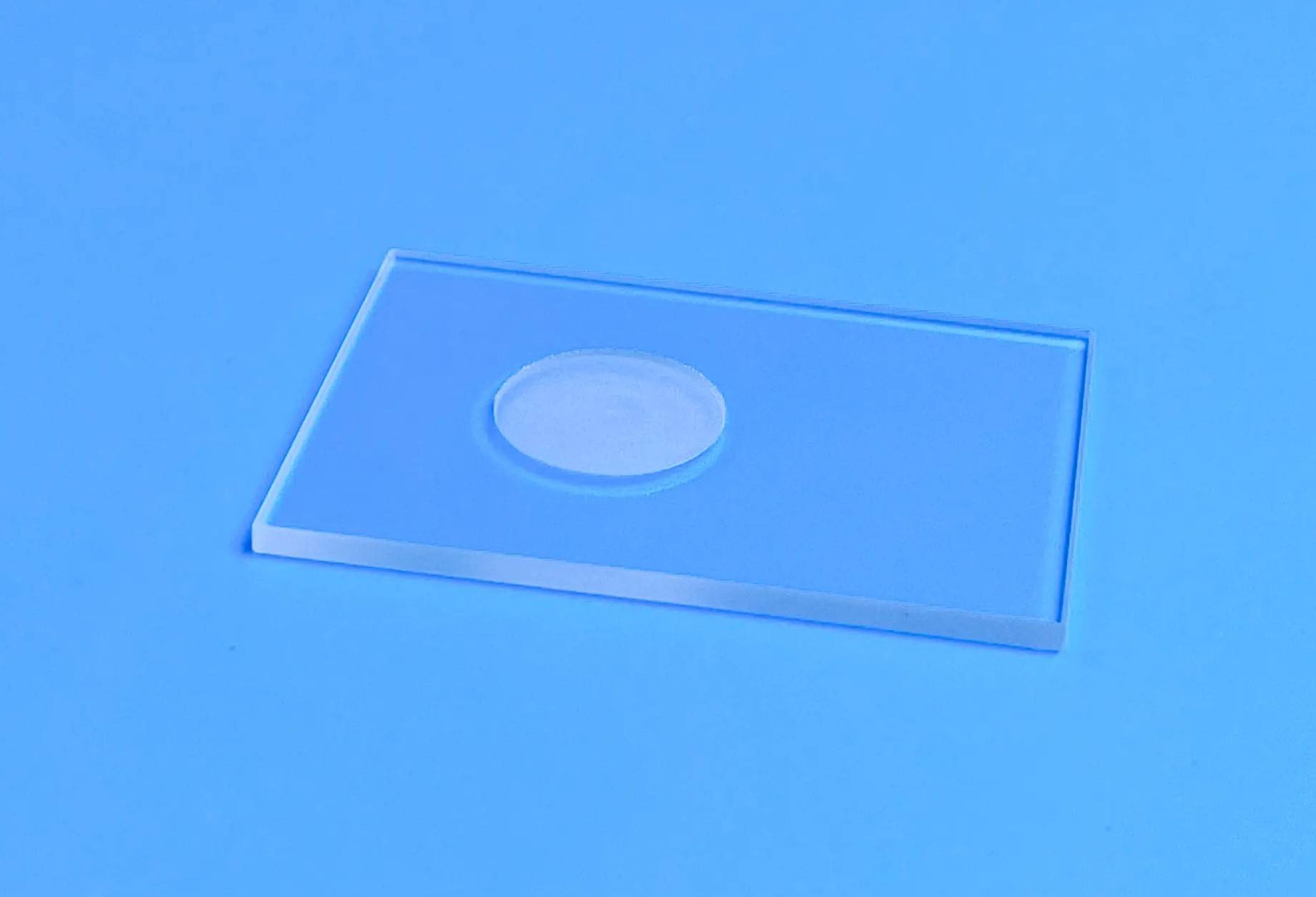
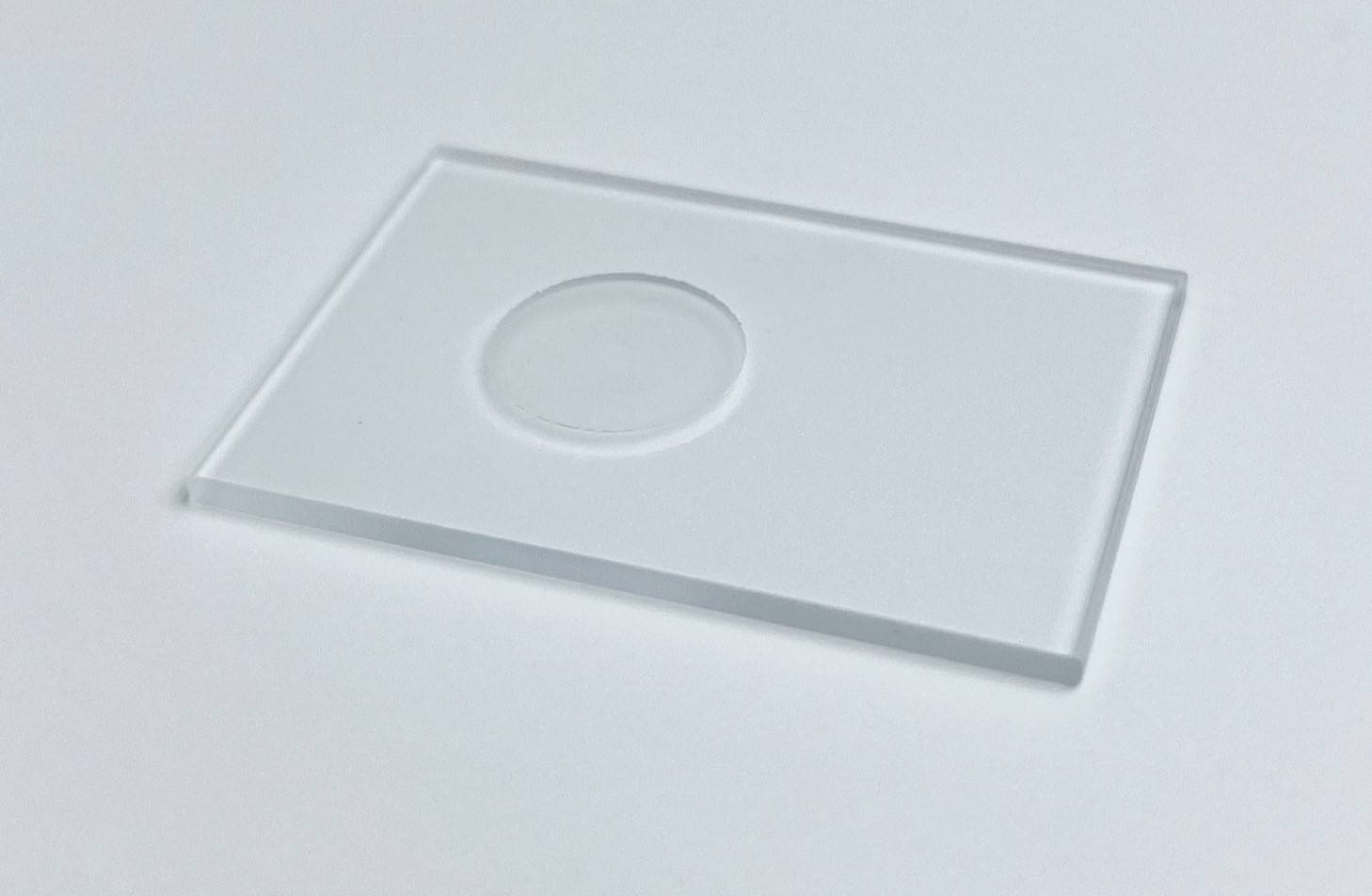
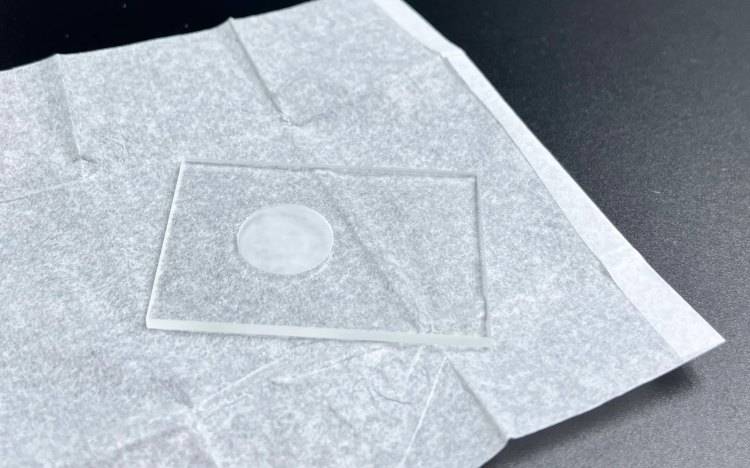
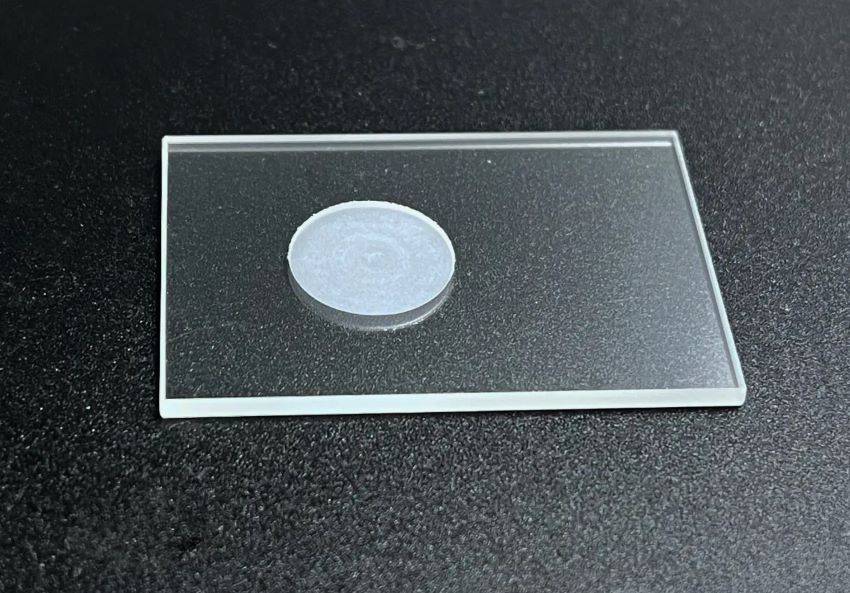
Application of XRD sample holder
X-ray powder diffraction is most widely used for the identification of unknown crystalline materials (e.g. minerals, inorganic compounds). Determination of unknown solids is critical to studies in geology, environmental science, material science, engineering and biology.
Other applications include:
- characterization of crystalline materials
- identification of fine-grained minerals such as clays and mixed layer clays that are difficult to determine optically
- determination of unit cell dimensions
- measurement of sample purity
Advantages of the XRD Sample Holder
- Powerful and rapid (< 20 min) technique for identification of an unknown mineral
- In most cases, it provides an unambiguous mineral determination
- Minimal sample preparation is required
- XRD units are widely available
- Data interpretation is relatively straight forward
Provide customized services
Through the implementation of innovative and state-of-the-art melting processes, we have acquired extensive expertise in the development and manufacture of quality glass products, offering a wide range of optical glass products for a variety of commercial, industrial and scientific applications. The company provides various specifications of optical glass such as raw glass, cut parts and finished components, and cooperates closely with customers to customize products according to customer needs. With an unwavering commitment to quality, we ensure our customers receive the perfect solution tailored to their requirements.
For further quotations, please contact us.
Trusted by Industry Leaders
FAQ
What Type Of Sample Holder Is Used In XRD?
What Equipment Is Used For XRD?
How Much Sample Is Required For XRD Analysis?
REQUEST A QUOTE
Our professional team will reply to you within one business day. Please feel free to contact us!
Related Products
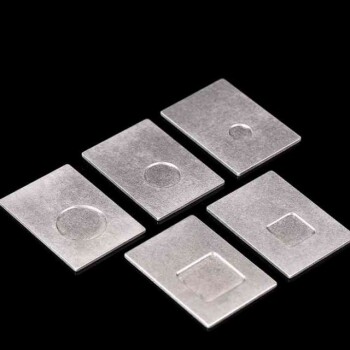
Customizable XRD Sample Holders for Diverse Research Applications
High-transparency XRD sample holders with zero impurity peaks. Available in square and round designs, and customizable to fit Bruker, Shimadzu, PANalytical, and Rigaku diffractometers.

Sample Support Body for Electrochemical Tests
Improve your electrochemical tests with our Sample Support Body. High-quality and reliable for accurate results. Upgrade your research today.
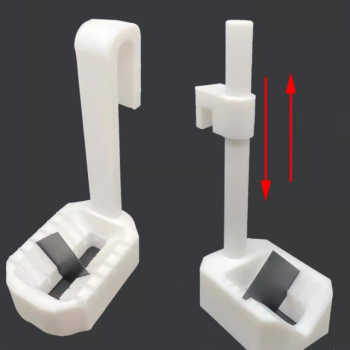
Custom PTFE Wafer Holders for Lab and Semiconductor Processing
This is a high-purity, custom-machined PTFE (Teflon) holder, expertly designed for the secure handling and processing of delicate substrates like conductive glass, wafers, and optical components.
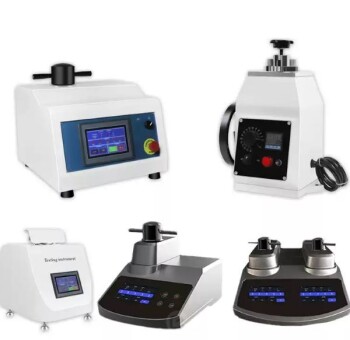
Metallographic Specimen Mounting Machine for Laboratory Materials and Analysis
Precision metallographic mounting machines for labs—automated, versatile, and efficient. Ideal for sample prep in research and quality control. Contact KINTEK today!
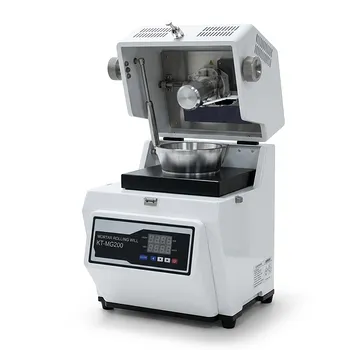
Laboratory Grinding Mill Mortar Grinder for Sample Preparation
KT-MG200 mortar grinder can be used for mixing and homogenizing powder, suspension, paste and even viscous samples. It can help users realize the ideal operation of sample preparation with more regularization and higher repeatability.

XRF Boric Acid Lab Powder Pellet Pressing Mold for Laboratory Use
Get accurate results with our XRF Boric Acid lab Powder Pellet Pressing Mold. Perfect for preparing samples for X-ray fluorescence spectrometry. Custom sizes available.
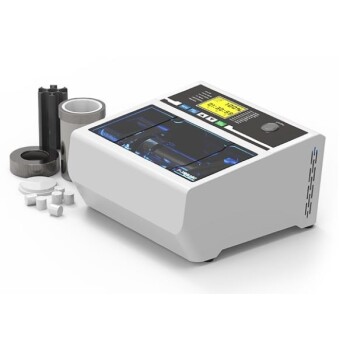
Laboratory Micro Horizontal Jar Mill for Precision Sample Preparation in Research and Analysis
Discover the Micro Horizontal Jar Mill for precise sample preparation in research and analysis. Ideal for XRD, geology, chemistry, and more.
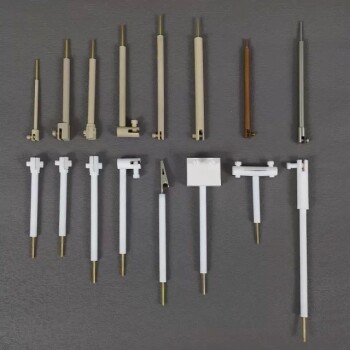
Electrode Fixture for Electrochemical Experiments
Upgrade your experiments with our customizable Electrode Fixtures. High-quality materials, acid and alkali resistant, and safe and durable. Discover our complete models today.

Vacuum Cold Mounting Machine for Sample Preparation
Vacuum Cold Mounting Machine for precise sample prep. Handles porous, fragile materials with -0.08MPa vacuum. Ideal for electronics, metallurgy, and failure analysis.
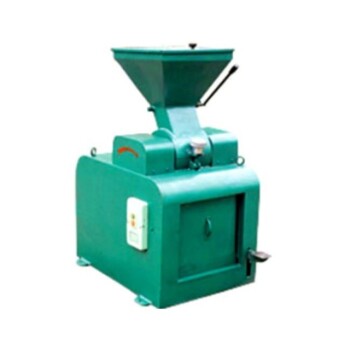
Laboratory Sealed Hammer Crusher for Efficient Sample Preparation
Discover the Laboratory Sealed Hammer Crusher for efficient sample preparation. Ideal for coal, metallurgy, and research, this crusher ensures high production efficiency and environmental friendliness.
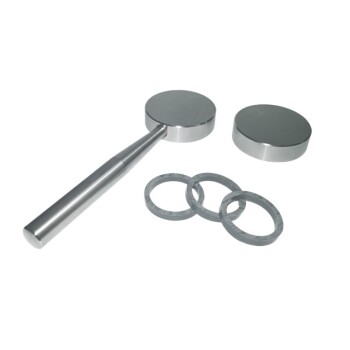
XRF & KBR plastic ring lab Powder Pellet Pressing Mold for FTIR
Get precise XRF samples with our plastic ring lab powder pellet pressing mold. Fast tableting speed and customizable sizes for perfect molding every time.
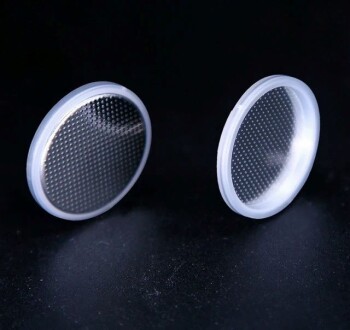
Button Battery Case for Battery Lab Applications
Button batteries are also known as micro batteries. It looks like a small button-shaped battery. Usually larger in diameter and thinner in thickness.
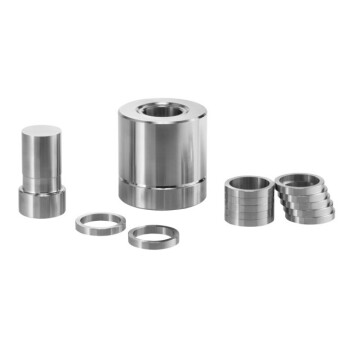
XRF & KBR steel ring lab Powder Pellet Pressing Mold for FTIR
Produce perfect XRF samples with our steel ring lab powder pellet pressing mold. Fast tableting speed and customizable sizes for accurate molding every time.

Laboratory Hydraulic Pellet Press for XRF KBR FTIR Lab Applications
Efficiently prepare samples with the Electric Hydraulic Press. Compact and portable, it's perfect for labs and can work in a vacuum environment.
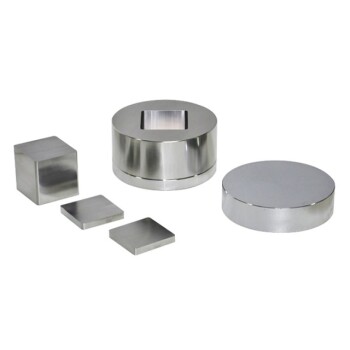
Square Lab Press Mold for Laboratory Applications
Create uniform samples easily with Square Lab Press Mold - available in various sizes. Ideal for battery, cement, ceramics, and more. Custom sizes available.

Automatic Laboratory Hydraulic Press for XRF & KBR Pellet Press
Fast and easy xrf sample pellet preparation with KinTek Automatic Lab Pellet Press. Versatile and accurate results for X-ray fluorescence analysis.

Assemble Square Lab Press Mold for Laboratory Applications
Achieve perfect sample preparation with Assemble Square Lab Press Mold. Quick disassembly eliminates sample deformation. Perfect for battery, cement, ceramics, and more. Customizable sizes available.
Related Articles

Comprehensive Guide to Handheld Precious Metal Analyzers: Features, Applications, and Benefits
Explore the advanced capabilities of handheld precious metal analyzers like XRF 990 and XRF 200, their applications in jewelry testing, recycling, and quality control, and how they offer fast, accurate, and non-destructive analysis of precious metals.
Unlocking Purity: The Ultimate Guide to Handheld Precious Metal Analyzers
Discover the power of XRF990 handheld precious metal analyzer in accurately testing gold, silver, platinum purity. Ideal for jewelers, recyclers, and quality inspectors.
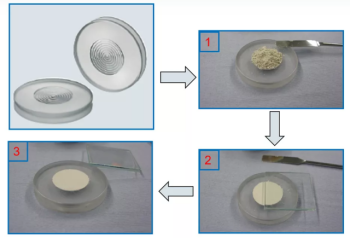
Preparing XRD Samples: A Comprehensive Guide
Detailed steps and requirements for preparing samples for X-ray diffraction experiments.
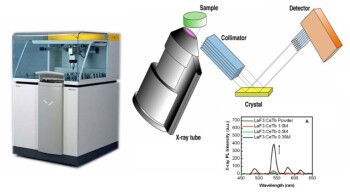
Techniques for Sample Preparation in X-Ray Fluorescence Analysis: Pressed and Loose Powder Methods
X-ray fluorescence (XRF) analysis is a common technique used for analyzing powders in various industries. When it comes to preparing powder samples for XRF analysis, there are two main methods: pressed powder method and loose powder method.The pressed powder method involves compressing the sample into a pellet or disk, while the loose powder method involves simply placing the sample into a cup or container. Each method has its advantages and disadvantages, and the choice of method depends on the specific requirements of the analysis.

X-Ray Fluorescence Spectrometer: Powder Compression Method for Sample Preparation
This article discusses the powder compression method in XRF spectral analysis, focusing on sample preparation techniques and equipment.
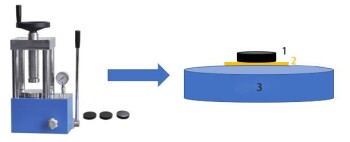
XPS Powder Sample Preparation and Precautions
Guidelines for preparing and handling powder samples for XPS analysis.
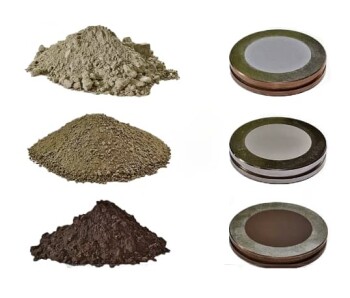
A Guide To PREPARE SAMPLES FOR XRF ANALYSIS
There are many ways to prepare samples for XRF analysis. The choice of method will also affect the time it takes to get results and the cost of the analysis.
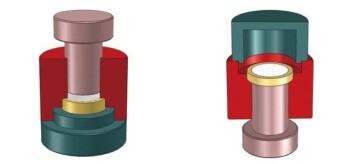
How To Turn XRF analysis sample preparation Into Success
In X-ray fluorescence (XRF) analysis, sample preparation is an important step because it can significantly impact both the quality and the efficiency of the analysis.
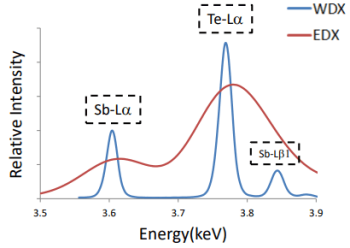
Unlocking the Power of XRF Spectrometer Modules: A Comprehensive Guide
Explore the intricacies of XRF spectrometer modules, from basic components to advanced applications. Learn how these devices enhance elemental analysis in various industries.
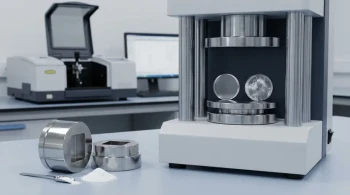
Why Your FTIR/XRF Results Are Inconsistent—And How to Fix It for Good
Stop blaming your spectrometer. Discover the hidden culprit behind inconsistent FTIR/XRF results and learn how to achieve perfect analytical data every time.

Comprehensive Guide to Handheld XRF Analyzers for Mining and Geoscience
Explore the advanced features and applications of handheld XRF analyzers in mining and geoscience. Learn how these devices enhance efficiency and accuracy in field analysis.
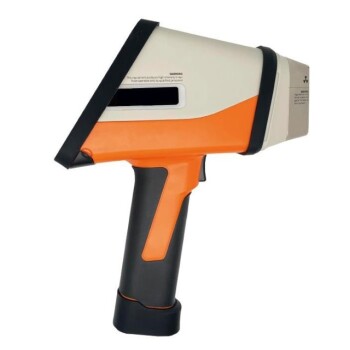
A Comprehensive Guide to Handheld XRF Analyzers: Technology, Applications, and Benefits
Unlock the potential of handheld XRF analyzers with this comprehensive guide. Learn about the technology, applications, and advantages of these devices. From mining exploration to metal material analysis, understand how these analyzers provide fast, accurate, and non-destructive results.