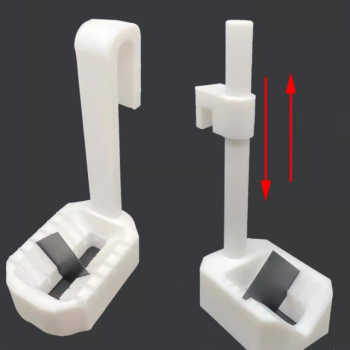
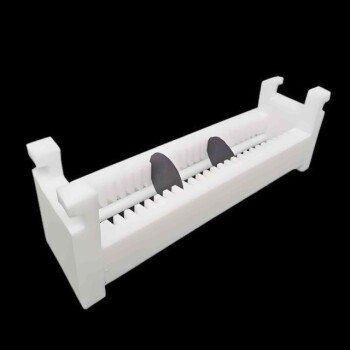
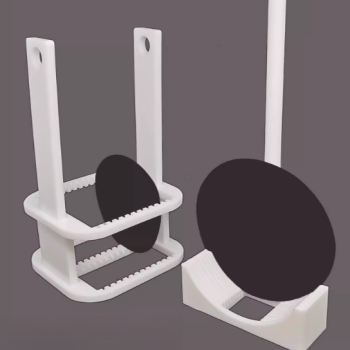
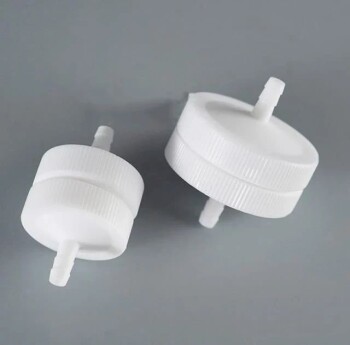
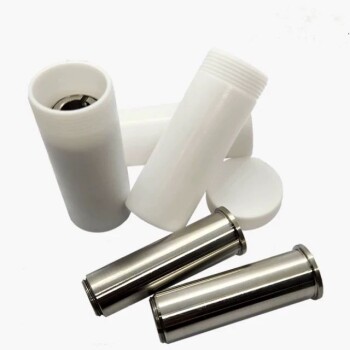
PTFE (polytetrafluoroethylene) containers are chemically mandatory for this process because hydrofluoric acid (HF) aggressively reacts with and dissolves the silica found in standard laboratory glassware. In the context of etching MAX phases to create MXenes, PTFE provides the necessary chemical inertness to withstand high-concentration acid or harsh LiF/HCl mixtures. Using PTFE prevents container degradation, ensuring both the physical containment of hazardous chemicals and the chemical integrity of the reaction.
The harsh etchants required to strip aluminum layers from MAX phases will destroy standard glass vessels. PTFE is essential because its exceptional corrosion resistance ensures the container remains intact for extended periods, preserving both laboratory safety and the purity of the final MXene material.
The Chemistry of the Etch
The Aggressive Nature of the Reagents
Synthesizing MXenes requires removing aluminum atomic layers from the MAX phase precursor.
This is achieved using high-concentration hydrofluoric acid or a potent mixture of lithium fluoride and hydrochloric acid.
These reagents are highly corrosive and are specifically selected for their ability to break strong chemical bonds.
Why Standard Labware Fails
Most standard laboratory containers are made of borosilicate glass.
Hydrofluoric acid has a unique affinity for silicon; it attacks the silica structure within glass, causing the vessel to dissolve and eventually breach.
PTFE is chemically inert to this specific type of attack, making it the only viable material for containment.
Ensuring Material Quality and Purity
Preventing Contamination
A dissolving container does more than just leak; it introduces foreign elements into your solution.
As a container degrades, it leaches impurities into the reaction mixture.
Using PTFE ensures that no external contaminants are introduced, maintaining the high purity required for functional MXene materials like Ti3C2Tx.
Withstanding Extended Exposure
The etching process is rarely instantaneous; it often requires the material to sit in acid for extended periods.
Materials that are only "moderately" resistant will eventually succumb to this prolonged exposure.
PTFE possesses exceptional chemical stability, allowing it to withstand these harsh environments over long durations without physical degradation.
Understanding the Operational Risks
The Safety Imperative
Working with hydrofluoric acid presents significant safety challenges due to its toxicity and penetrating nature.
A container failure during etching could lead to a catastrophic spill of hazardous acid.
PTFE containers act as a critical safety barrier, providing reliable structural integrity where other materials would fail.
Operational Consistency
Using the correct vessel eliminates variable failure rates in your experimental setup.
If you use materials with lower resistance than PTFE, you introduce a variable of degradation that can alter reaction kinetics.
PTFE ensures that the reaction environment remains constant, allowing for reproducible synthesis results.
Ensuring Synthesis Success
The choice of container is not merely about storage; it is a fundamental component of the chemical reaction strategy.
- If your primary focus is Material Purity: PTFE is required to prevent dissolved container materials from contaminating the Ti3C2Tx structure.
- If your primary focus is Laboratory Safety: PTFE is the only barrier capable of preventing hazardous leaks caused by the corrosive destruction of the vessel.
By selecting PTFE, you stabilize the variable of containment, allowing you to focus entirely on the delicate chemistry of the etching process.
Summary Table:
| Feature | Standard Borosilicate Glass | PTFE (Polytetrafluoroethylene) |
|---|---|---|
| HF Resistance | Fails; reacts with silica | Excellent; chemically inert |
| Material Purity | Leaches impurities during etching | Zero contamination risk |
| Safety Profile | High risk of leakage/failure | High structural integrity |
| Longevity | Rapidly degraded by etchants | Durable for extended exposure |
| Suitability | General laboratory use | Harsh chemical & acid synthesis |
Upgrade Your Lab with KINTEK Precision Consumables
Ensure the integrity of your MAX phase etching and MXene synthesis with KINTEK’s high-performance laboratory solutions. We specialize in providing the chemical-resistant PTFE products, ceramics, and crucibles necessary to withstand the harshest reagents like hydrofluoric acid.
From high-temperature furnaces (CVD, Vacuum, Muffle) to high-pressure reactors and specialized centrifuges or ultrasonic cleaners, KINTEK provides the advanced tools required for cutting-edge materials research. Don't compromise your safety or material purity with inferior labware.
Ready to optimize your synthesis workflow? Contact KINTEK today to discuss your equipment needs and experience the value of professional-grade laboratory consumables.
References
- Asieh Akhoondi, Panneerselvam Sathishkumar. Recent advances in hydrogen production using MXenes-based metal sulfide photocatalysts. DOI: 10.53063/synsint.2022.21106
This article is also based on technical information from Kintek Solution Knowledge Base .
Related Products
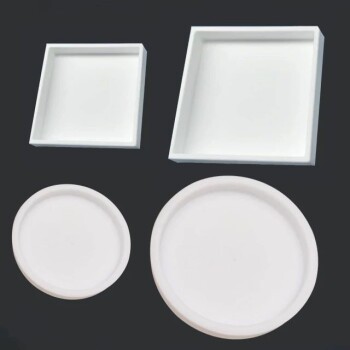
- Custom PTFE Teflon Parts Manufacturer for PTFE Containers
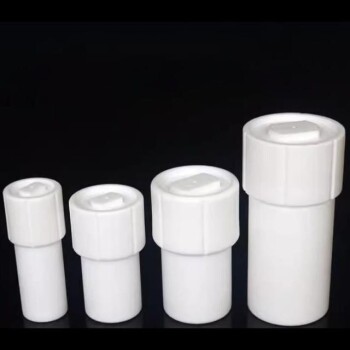
- Custom PTFE Teflon Parts Manufacturer for Microwave Digestion Tank
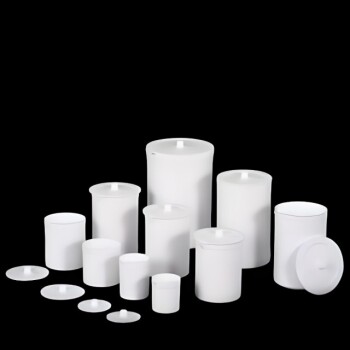
- Custom PTFE Teflon Parts Manufacturer PTFE Beaker and Lids
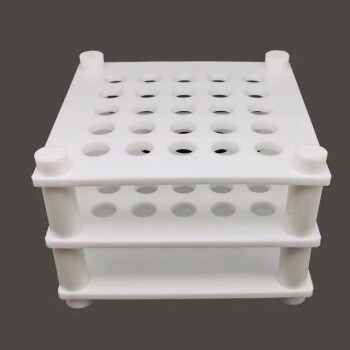
- Custom PTFE Teflon Parts Manufacturer for Centrifuge Tube Racks
- Custom PTFE Teflon Parts Manufacturer Corrosion Resistant Cleaning Rack Flower Basket
People Also Ask
- Why are PTFE containers required for PCT leaching tests? Ensure Chemical Inertness and Analytical Precision
- Why is PTFE Mandatory for Hydrofluoric Acid (HF) Handling? Ensure Safety and Data Integrity in Corrosion Testing
- Why is a PTFE container required for acid leaching of silicon nanosheets? Ensure High Purity and Safety
- Why are polytetrafluoroethylene (PTFE) containers essential for assessing the corrosion resistance of glassified waste?
- Why use high-quality PTFE containers for CO2 reduction electrolytes? Eliminate silicon contamination and ensure data.