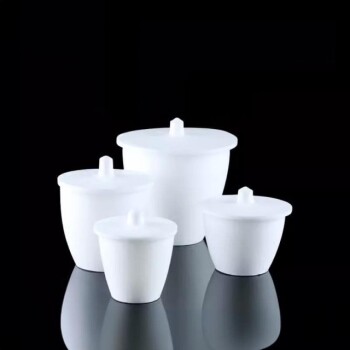
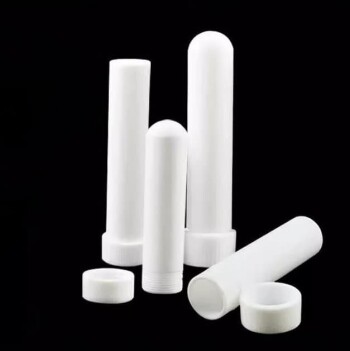
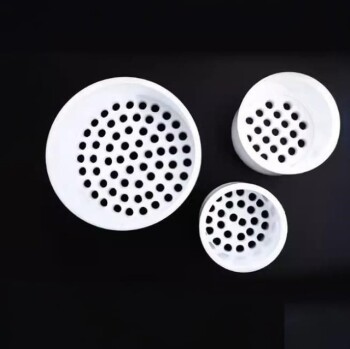
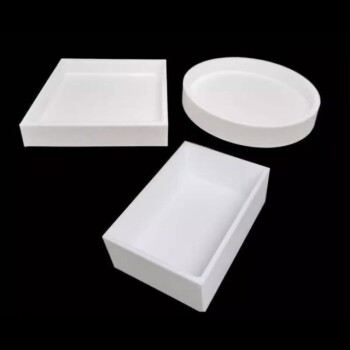
Polytetrafluoroethylene (PTFE) liners are used in hydrothermal synthesis primarily for their exceptional chemical inertness and corrosion resistance. These liners provide a protective barrier that allows researchers to conduct high-pressure reactions involving aggressive acids, bases, and organic solvents without damaging the reactor or contaminating the resulting sample.
Core Takeaway: A PTFE liner acts as a critical isolation layer that preserves the chemical purity of a synthesis by preventing metal ion leaching while simultaneously protecting the structural integrity of the stainless steel reactor vessel from corrosive attack.
Unparalleled Chemical Protection
The primary role of a PTFE liner is to manage the extreme chemical environments required for material synthesis.
Resistance to Aggressive Reagents
PTFE can withstand highly corrosive substances, including strong acids like phosphoric acid and strong bases or sulfides. This allows for the synthesis of complex materials, such as UiO-66 or metal phosphates, that would otherwise dissolve or pit metal surfaces.
Compatibility with Organic Solvents
During the synthesis of specialized materials like CuS/Cl-MXene, organic solvents such as ethylene glycol are often required. PTFE remains stable in the presence of these solvents, ensuring that the liner does not degrade or leach organic impurities into the reaction mixture.
Stability in High-Pressure Environments
Hydrothermal synthesis often occurs at temperatures exceeding the atmospheric boiling point of water, creating sustained high pressure. The PTFE liner maintains its integrity under these conditions, providing a steady environment for processes like the reduction of graphene oxide.
Preservation of Material Purity
In high-precision material science, even trace amounts of external elements can ruin an experiment.
Prevention of Metal Ion Leaching
Without a liner, high-pressure acidic environments can cause uncontrolled leaching of iron, nickel, and chromium from the stainless steel reactor walls. PTFE prevents these metal ions from entering the solution, which is vital for ensuring the accuracy of catalytic results.
Maintaining Phase Integrity
By eliminating external metallic impurities, the liner ensures the chemical purity and phase integrity of the synthesized nanomaterials. This is especially critical when producing high-purity zeolite particles or delicate aluminosilicate structures.
Operational Efficiency and Durability
Beyond chemical protection, PTFE liners offer practical benefits that improve laboratory workflows.
Facilitating Sample Recovery
The smooth inner walls of a PTFE liner have "non-stick" properties that make it easy to collect reaction slurries and precipitates. This minimizes material loss and simplifies the cleaning process between experimental runs.
Extending Reactor Service Life
Stainless steel pressure vessels are expensive precision instruments. By isolating the reaction medium, the PTFE liner prevents chemical attack and pitting on the vessel's interior, significantly extending the service life of the hardware.
Understanding the Trade-offs
While PTFE is highly versatile, it is not a "universal" solution for every hydrothermal application.
Temperature Limitations
PTFE typically has a maximum safe operating temperature between 200°C and 220°C. Exceeding these limits can cause the liner to soften, deform, or release toxic vapors, which limits its use in ultra-high-temperature synthesis.
Thermal Expansion and Sealing
PTFE has a high coefficient of thermal expansion, meaning it expands significantly when heated. If the reactor is not designed with the correct tolerances, this expansion can lead to liner deformation or "cold flow," potentially compromising the seal.
Gas Permeability
At high temperatures and pressures, PTFE can be slightly permeable to certain gases. For extremely sensitive reactions requiring a perfect hermetic seal against small molecules, alternative liners like PEEK or gold-plated vessels may be necessary.
How to Apply This to Your Project
Choosing the right liner setup depends on your specific experimental parameters and purity requirements.
- If your primary focus is synthesizing high-purity catalysts: Use a high-quality PTFE liner to strictly avoid iron or nickel contamination that could provide false catalytic readings.
- If your primary focus is working with pH 1-2 acidic slurries: Ensure your PTFE liner is inspected regularly for thinning or "crazing," as aggressive acids at high temperatures can eventually cause mechanical wear.
- If your primary focus is reactions above 230°C: Avoid standard PTFE and consider specialized materials like PPL (Polyphenylene polymers) or quartz liners, which offer higher thermal stability.
The PTFE liner remains the gold standard for most hydrothermal applications because it masterfully balances chemical universality with ease of use.
Summary Table:
| Feature | Benefit | Application Note |
|---|---|---|
| Chemical Inertness | Resists strong acids, bases, and organic solvents. | Ideal for synthesizing catalysts and MXenes. |
| Purity Preservation | Prevents metal ion leaching from stainless steel. | Essential for high-precision nanomaterial research. |
| Non-stick Surface | Facilitates easy sample recovery and cleaning. | Minimizes material loss and prevents cross-contamination. |
| Vessel Protection | Prevents pitting and chemical attack on reactors. | Extends the service life of expensive hardware. |
| Temperature Limit | Stable operation up to 200°C - 220°C. | Use PPL liners for higher temperature requirements. |
Optimize Your Synthesis with KINTEK Precision
Ensure the integrity of your material research with KINTEK’s high-performance hydrothermal synthesis reactors and premium PTFE/PPL liners. Whether you are developing high-purity catalysts, specialized nanomaterials, or conducting complex chemical reactions, our equipment is designed to withstand the most aggressive reagents while preventing contamination.
Beyond reactors, KINTEK offers a comprehensive range of laboratory solutions, including high-temperature furnaces (CVD, vacuum, muffle), hydraulic presses, and advanced cooling systems to support your entire workflow.
Ready to upgrade your lab’s capabilities? Contact our technical experts today for tailored advice and reliable equipment solutions that guarantee accuracy and durability.
References
- Bilal Sarfraz, Khalid Mahmood. Bifunctional CuS/Cl-terminated greener MXene electrocatalyst for efficient hydrogen production by water splitting. DOI: 10.1039/d3ra02581k
This article is also based on technical information from Kintek Solution Knowledge Base .
Related Products
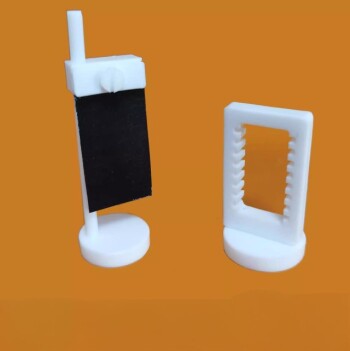
- Custom PTFE Teflon Parts Manufacturer for Hydrothermal Synthesis Reactor Polytetrafluoroethylene Carbon Paper and Carbon Cloth Nano-growth
- High Pressure Laboratory Autoclave Reactor for Hydrothermal Synthesis
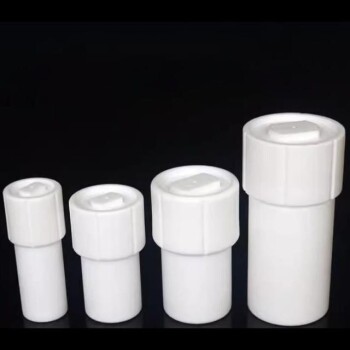
- Custom PTFE Teflon Parts Manufacturer for Microwave Digestion Tank
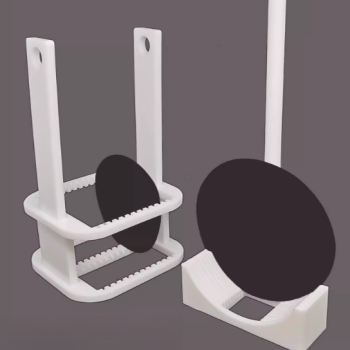
- Customizable PTFE Wafer Carriers for Semiconductor and Lab Applications
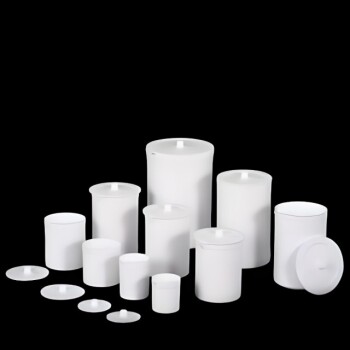
- Custom PTFE Teflon Parts Manufacturer PTFE Beaker and Lids
People Also Ask
- What is the function of a PTFE reactor in MXene etching? Ensure Safe, High-Purity MAX Phase Conversion
- Why is a PTFE reactor required for titanium-based nano-ceramic coating solutions? Ensure Chemical Inertness & Purity
- Why must a Polytetrafluoroethylene (PTFE) reactor be used for Ti3C2TX MXene etching? Ensure Safety and Purity
- Why are PTFE reactors preferred for silver phosphate glass testing? Ensure Purity and Kinetic Accuracy
- Why is a PTFE Liner Essential for Hydrothermal Reactors? Protect Your Purity and Equipment