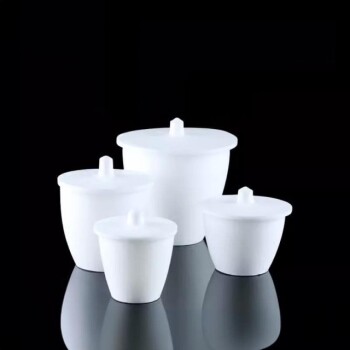
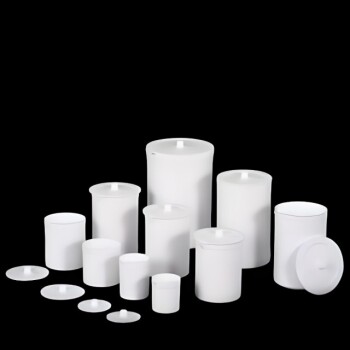
A PTFE reactor is strictly required for this process primarily because the synthesis of titanium-based nano-ceramic coatings utilizes high concentrations of hydrofluoric acid (HF). While standard laboratory glassware is suitable for many reactions, HF rapidly dissolves glass and corrodes most metal containers, making Polytetrafluoroethylene (PTFE) the only viable material that remains chemically inert under these aggressive conditions.
The necessity of a PTFE reactor stems from the aggressive chemical nature of hydrofluoric acid used to process titanium. It serves two critical functions: preventing the physical destruction of the reaction vessel and guaranteeing that the final coating solution remains free of dissolved contaminants.
The Chemistry of Corrosion Resistance
The Problem with Standard Labware
The preparation of titanium-based solutions often requires prolonged heating and stirring in the presence of strong acids.
Standard borosilicate glass is composed of silica, which reacts violently with hydrofluoric acid. Using glass for this synthesis would lead to the rapid structural failure of the vessel and a dangerous chemical spill.
The Inertness of PTFE
PTFE possesses exceptional chemical resistance. It effectively acts as a shield against the corrosive properties of high-concentration hydrofluoric acid.
This inertness allows the reactor to withstand constant-temperature heating and vigorous stirring without degrading. It ensures the reaction environment remains stable throughout the entire synthesis timeline.
Critical Impact on Material Purity
Preventing Contamination
Beyond safety, the quality of a nano-ceramic coating relies on the purity of the precursor solution.
If a reaction vessel degrades even slightly, it introduces metallic impurity ions or silicates into the solution. A PTFE liner ensures that no foreign materials leach into the reaction mixture.
Ensuring Reproducibility
Scientific reproducibility depends on controlling variables.
Because PTFE is chemically inert, it does not participate in the reaction. This ensures that the titanium ion solution synthesis yields consistent results every time, maintaining the specific properties required for the final coating.
Operational Safety and Containment
Protecting Structural Integrity
In high-pressure or high-temperature setups, PTFE is often used as a liner inside a stainless steel outer shell.
This liner contains the aggressive acid, preventing it from contacting and corroding the steel shell. This setup combines the mechanical strength of steel with the chemical resistance of PTFE.
Thermal Stability
PTFE can withstand the elevated temperatures required for these reactions without softening or reacting.
This thermal stability is essential for maintaining the constant temperature required to drive the chemical conversion of titanium precursors.
Common Pitfalls and Limitations
Heat Transfer Efficiency
While PTFE is excellent for chemical resistance, it is a thermal insulator.
This means heating and cooling cycles may take longer compared to metal or thin-walled glass reactors. You must account for this lag when designing temperature-sensitive protocols.
Pressure and Temperature Limits
PTFE is not indestructible.
While it resists acid, it can deform (creep) under extreme high pressure combined with very high temperatures. Always verify that your specific reaction conditions do not exceed the mechanical rating of your specific PTFE vessel.
Making the Right Choice for Your Project
To ensure the success of your titanium-based nano-ceramic coating synthesis, consider the following based on your specific goals:
- If your primary focus is Lab Safety: Prioritize PTFE reactors to eliminate the risk of vessel failure caused by hydrofluoric acid corrosion.
- If your primary focus is Coating Quality: Use a high-grade PTFE liner to prevent ion leaching that could degrade the optical or mechanical properties of the ceramic.
- If your primary focus is Equipment Longevity: Ensure the PTFE liner is inspected regularly for surface scratches or deformation to protect the expensive outer steel shell.
Using the correct reactor material is not just a safety precaution; it is a fundamental prerequisite for achieving a pure, high-performance nano-material.
Summary Table:
| Feature | PTFE Reactor | Standard Glassware |
|---|---|---|
| Acid Resistance | High (Inert to Hydrofluoric Acid) | Low (Rapidly Corrodes/Dissolves) |
| Contamination Risk | Extremely Low (No ion leaching) | High (Silicate/Metal contamination) |
| Thermal Stability | Stable up to ~260°C | High (but chemically reactive) |
| Safety Profile | Prevents structural failure/spills | High risk of vessel failure with HF |
| Primary Use | Aggressive acid synthesis/Nano-materials | Standard chemical reactions |
Elevate Your Nano-Material Synthesis with KINTEK
Don't compromise the integrity of your research with inferior reaction vessels. KINTEK specializes in high-performance laboratory solutions, providing premium PTFE-lined reactors, high-temperature high-pressure autoclaves, and specialized ceramics designed to withstand the most aggressive chemical environments.
Whether you are developing titanium-based coatings or conducting advanced battery research, our expert-grade equipment ensures maximum safety, zero contamination, and perfect reproducibility.
Contact KINTEK today to find the ideal reactor for your lab!
References
- Felipe de Aquino Lima, Jorge David Alguiar Bellido. Corrosion resistance evaluation of carbon steel plates protected by zirconium and titanium nanoceramic coatings. DOI: 10.33448/rsd-v9i3.2715
This article is also based on technical information from Kintek Solution Knowledge Base .
Related Products
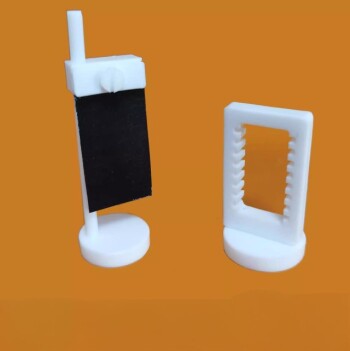
- Custom PTFE Teflon Parts Manufacturer for Hydrothermal Synthesis Reactor Polytetrafluoroethylene Carbon Paper and Carbon Cloth Nano-growth
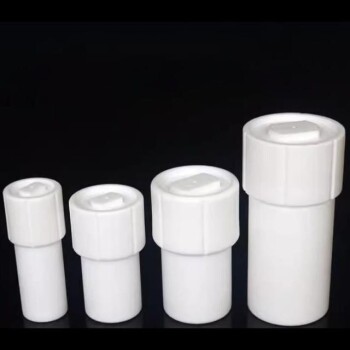
- Custom PTFE Teflon Parts Manufacturer for Microwave Digestion Tank
- Custom PTFE Teflon Parts Manufacturer F4 Conical Flask Triangular Flask 50 100 250ml
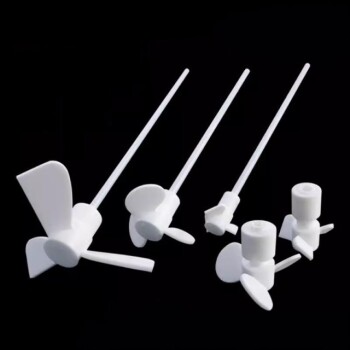
- Custom PTFE Teflon Parts Manufacturer Laboratory High Temperature Mixing Paddle Mixer
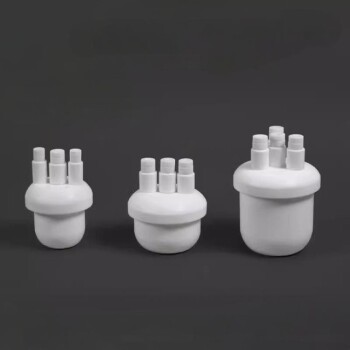
- Custom PTFE Teflon Parts Manufacturer for Three-Necked Round Bottom Flask
People Also Ask
- What is the function of a PTFE reactor in MXene etching? Ensure Safe, High-Purity MAX Phase Conversion
- Why must a Polytetrafluoroethylene (PTFE) reactor be used for Ti3C2TX MXene etching? Ensure Safety and Purity
- Why are PTFE reactors preferred for silver phosphate glass testing? Ensure Purity and Kinetic Accuracy
- What are the advantages of using polytetrafluoroethylene (PTFE) liners in hydrothermal synthesis reactors? High Purity
- Why is a PTFE Liner Essential for Hydrothermal Reactors? Protect Your Purity and Equipment