The incorporation of Polytetrafluoroethylene (PTFE) into air cathode formulations is a necessity for establishing a stable Three-Phase Boundary (TPB). Specifically, PTFE serves a critical dual function: it acts as a mechanical binder to secure catalytic materials and creates a hydrophobic network to manage moisture. Without PTFE, the electrode would likely suffer from structural disintegration or liquid saturation, both of which halt energy generation.
The Core Takeaway PTFE functions as the "architectural skeleton" of the air cathode, balancing physical adhesion with moisture repulsion. Its primary value lies in preventing electrolyte flooding, ensuring that oxygen can freely diffuse to catalytic sites to sustain the Oxygen Reduction Reaction (ORR).
The Dual Role of PTFE
To understand the necessity of PTFE, one must look at the conflicting requirements of an air cathode: it must hold solid catalysts, interface with a liquid electrolyte, and breathe gaseous oxygen.
Function 1: Structural Binding
The first role of PTFE is to act as a robust binder. It physically fixes the catalytic materials to the electrode structure, preventing them from detaching during operation.
This creates a cohesive composite material that can withstand the physical stresses of the electrochemical environment. By securing the active materials, PTFE ensures the long-term structural integrity of the electrode.
Function 2: Hydrophobic Pore Management
The second, and perhaps more nuanced, role is the creation of a hydrophobic network. Air cathodes contain internal micropores that serve as pathways for gas.
Because the electrode interfaces with an aqueous electrolyte, there is a constant risk of liquid seeping into these pores. PTFE’s inherent water-repelling properties prevent the electrolyte from flooding these internal spaces.
Facilitating the Oxygen Reduction Reaction (ORR)
The ultimate goal of an air cathode is to facilitate the Oxygen Reduction Reaction (ORR). PTFE is the key enabler of this process through the management of gas diffusion.
Preventing "Waterlogging"
If the electrode's micropores become filled with liquid electrolyte (flooding), oxygen cannot enter. Oxygen diffuses roughly 10,000 times slower in liquid than in gas.
By keeping the micropores dry, PTFE ensures that oxygen from the air can diffuse smoothly to the catalytic active sites.
The Three-Phase Interface
Effective ORR requires a "Three-Phase Boundary" where solid catalyst, liquid electrolyte, and gaseous oxygen meet.
PTFE maintains this delicate balance. It keeps the gas side accessible while the electrolyte remains in contact with the catalyst surface, preventing the liquid from overwhelming the gas channels.
Critical Considerations and Trade-offs
While PTFE is essential, its application requires precision to avoid compromising electrode performance.
The Risk of Over-Hydrophobicity
While the primary reference highlights the need for hydrophobicity, relying on PTFE involves a balance. It creates an insulative network that isolates the catalyst from the electrolyte.
If the network is too dense, it may reduce the necessary contact area between the electrolyte and the catalyst, potentially hindering ion transfer even as it improves gas diffusion.
Chemical Stability
Supplemmentary data indicates that PTFE is chemically inert and resistant to strong acids and corrosion. In the context of an air cathode, this stability is vital.
The binder must not degrade or react with the electrolyte or the reaction products. PTFE’s resistance ensures that it remains passive, solely performing its structural and hydrophobic duties without introducing impurities or side reactions.
Making the Right Choice for Your Goal
PTFE is not just an additive; it is a fundamental component of electrode design. Depending on your specific optimization goals, your focus on PTFE will vary.
- If your primary focus is Electrode Longevity: Ensure the PTFE content is sufficient to bind the catalyst firmly, utilizing its chemical inertness to resist degradation in harsh electrolyte environments.
- If your primary focus is Reaction Efficiency (ORR): Optimize the PTFE distribution to maximize the hydrophobic network, preventing pore flooding and guaranteeing rapid oxygen diffusion to active sites.
Ultimately, PTFE is the critical component that keeps the air cathode "breathable" and structurally sound in a liquid environment.
Summary Table:
| Feature | Primary Role in Air Cathode | Key Benefit |
|---|---|---|
| Structural Binder | Secures catalysts to the electrode | Ensures long-term mechanical integrity |
| Hydrophobic Agent | Creates water-repelling pore networks | Prevents electrolyte flooding (waterlogging) |
| Chemical Stability | Resists acids and corrosion | Maintains performance in harsh environments |
| TPB Facilitator | Manages Three-Phase Boundary | Enables 10,000x faster gas diffusion vs. liquid |
Elevate Your Electrochemical Research with KINTEK
Precise electrode formulation is the backbone of high-performance energy systems. As specialists in laboratory equipment and high-quality consumables, KINTEK provides the essential materials and tools required for advanced battery and fuel cell research.
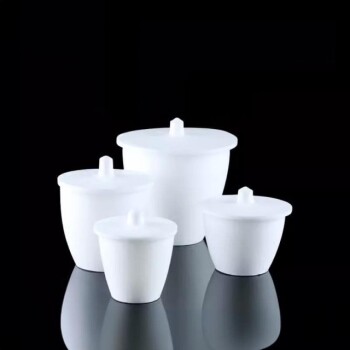
From high-purity PTFE products, ceramics, and crucibles to sophisticated electrolytic cells, electrodes, and battery research consumables, we empower researchers to achieve a perfect Three-Phase Boundary. Whether you are optimizing air cathodes or developing next-generation energy storage, our comprehensive portfolio—including high-pressure reactors and cooling solutions—is designed to meet the most rigorous lab standards.
Ready to optimize your electrode performance?
Contact KINTEK today to discover how our premium consumables and equipment can drive your innovation forward.
References
- Xiaoyu Han, Xin Zhao. Simultaneous Phosphate Removal and Power Generation by the Aluminum–Air Fuel Cell for Energy Self-Sufficient Electrocoagulation. DOI: 10.3390/app13074628
This article is also based on technical information from Kintek Solution Knowledge Base .
Related Products
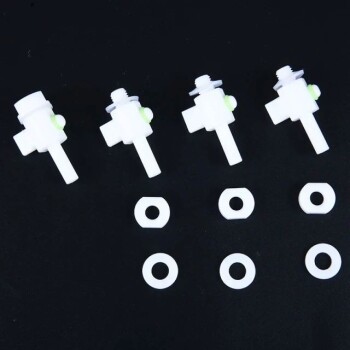
- Custom PTFE Teflon Parts Manufacturer for Air Valve Applications
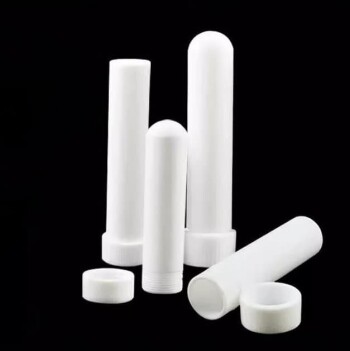
- Custom PTFE Teflon Parts Manufacturer for Centrifuge Tubes
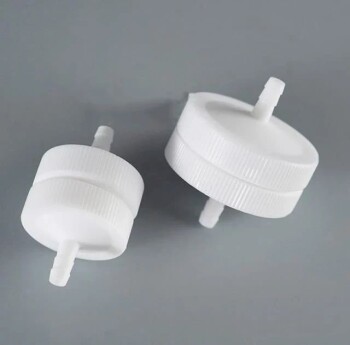
- Custom PTFE Teflon Parts Manufacturer for Sampling Filters
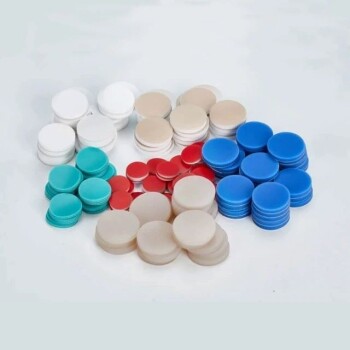
- Custom PTFE Teflon Parts Manufacturer for Gaskets and More
- Custom PTFE Teflon Parts Manufacturer for Non-Standard Insulator Customization
People Also Ask
- What are the specific applications of PTFE in micro-batch slug flow systems? Enhance Your Microfluidic Reaction Purity
- How is PTFE utilized for insulation in Alloy 22 corrosion setups? Ensure Signal Purity & Accuracy
- Is PTFE corrosion resistant? Discover the Ultimate Chemical Resistance for Your Lab
- What is the function of PTFE in a gas diffusion electrode? Mastering CO2 Electrolyzer Stability
- What is the primary function of PTFE in Gas Diffusion Electrodes (GDE)? Ensure Peak Electrochemical Performance