The use of a Polytetrafluoroethylene (PTFE) liner is essential primarily to isolate the stainless steel reactor body from the highly corrosive reaction mixture. During the synthesis of CdMn4(HPO4)2(PO4)2·4H2O, the presence of high-concentration phosphoric acid and cadmium chloride creates an aggressive acidic environment that would rapidly degrade an unlined metal vessel. The liner acts as a chemically inert barrier, protecting the equipment from damage while simultaneously preventing metallic ions from the reactor walls from leaching into the solution and contaminating the synthesized crystals.
Core Takeaway The PTFE liner solves the conflict between mechanical strength and chemical stability. It allows you to utilize the high-pressure capabilities of a stainless steel autoclave without subjecting the metal to the corrosive attack of the acidic reactants, ensuring both equipment safety and the chemical purity of your final phosphate material.
The Critical Role of Chemical Inertness
Resisting Aggressive Acidity
The synthesis of this specific cadmium-manganese phosphate relies on a mixture containing high-concentration phosphoric acid and cadmium chloride.
These reagents are highly corrosive, particularly under the elevated temperatures and pressures typical of hydrothermal synthesis.
Withstanding Hydrothermal Conditions
Hydrothermal reactions often operate between 120°C and 160°C.
At these temperatures, the corrosive potential of acidic solutions increases significantly. A standard stainless steel surface would likely suffer from acid erosion, compromising the structural integrity of the vessel over time.
Protecting the Outer Shell
The stainless steel autoclave provides the necessary mechanical strength to contain the autogenous pressure generated during heating.
The PTFE liner serves as the internal shield. It ensures that the load-bearing metal shell never comes into direct contact with the corrosive liquid, maintaining the safety of the high-pressure system.
Ensuring Material Purity and Integrity
Preventing Metallic Contamination
If the acidic solution were to contact the stainless steel walls, metal ions (such as iron, chromium, or nickel) would dissolve into the reaction mixture.
The PTFE liner creates a closed-loop environment that completely prevents this leaching process.
Maintaining Phase Integrity
The synthesis of CdMn4(HPO4)2(PO4)2·4H2O requires precise stoichiometry.
The introduction of foreign metallic impurities could alter the crystal structure or lead to the formation of unwanted secondary phases. The inert nature of PTFE ensures that the only elements reacting are the ones you intentionally added.
Understanding the Trade-offs
Temperature Limitations
While PTFE is excellent for chemical resistance, it has a lower thermal ceiling than metals or ceramics.
At temperatures exceeding roughly 200°C to 250°C, PTFE begins to soften and can undergo significant thermal expansion or deformation ("creep"). This can lead to seal failures or permanent distortion of the liner if the synthesis temperature is pushed too high.
Heat Transfer Efficiency
PTFE is a thermal insulator, unlike the stainless steel shell which conducts heat well.
This means there will be a lag time between the oven temperature and the internal liquid temperature. You must account for this slower heat transfer rate when designing your heating ramp and dwell times to ensure the reaction actually reaches the desired conditions.
Making the Right Choice for Your Goal
To maximize the success of your hydrothermal synthesis, consider the following based on your specific priorities:
- If your primary focus is high-purity crystallography: Ensure your PTFE liner is thoroughly cleaned with a dilute acid wash before use to remove any trace contaminants from previous runs.
- If your primary focus is equipment longevity: Inspect the liner for deformation or micro-cracks after every run, especially if operating near the 160°C upper threshold, as damaged liners compromise the safety of the steel shell.
The PTFE liner is not just an accessory; it is the critical component that bridges the gap between the aggressive chemistry required for synthesis and the mechanical containment required for safety.
Summary Table:
| Feature | Purpose in Hydrothermal Synthesis |
|---|---|
| Chemical Inertness | Protects the stainless steel shell from corrosive phosphoric acid and cadmium chloride. |
| Contamination Control | Prevents leaching of iron, chromium, and nickel ions into the reaction mixture. |
| Pressure Containment | Allows the use of high-strength steel autoclaves for high-pressure reactions. |
| Thermal Limits | Operates safely up to 200°C; requires monitoring for deformation above this range. |
| Material Purity | Maintains precise stoichiometry for high-purity phosphate crystal growth. |
Elevate Your Material Synthesis with KINTEK Precision
Don't let corrosion compromise your research or damage your equipment. KINTEK specializes in premium laboratory solutions, offering a comprehensive range of high-temperature high-pressure reactors and autoclaves equipped with high-grade PTFE and PPL liners.
Whether you are synthesizing complex phosphates or conducting advanced battery research, our durable hydrothermal reactors, high-temperature furnaces, and essential consumables like PTFE products and ceramics ensure unmatched chemical stability and mechanical safety.
Ready to secure your lab's efficiency? Contact us today to discuss your specific application and find the perfect reactor configuration for your target outcomes.
References
- Chaymae Alami, Lahcen El. Hydrothermal Synthesis and Crystal Structure of a Novel Phosphate: CdMn4(HPO4)2(PO4)2.4H2O. DOI: 10.17756/nwj.2023-s2-065
This article is also based on technical information from Kintek Solution Knowledge Base .
Related Products
- Custom PTFE Teflon Parts Manufacturer for Hydrothermal Synthesis Reactor Polytetrafluoroethylene Carbon Paper and Carbon Cloth Nano-growth
- Custom PTFE Teflon Parts Manufacturer for Microwave Digestion Tank
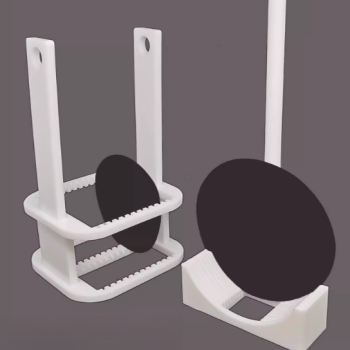
- Customizable PTFE Wafer Carriers for Semiconductor and Lab Applications
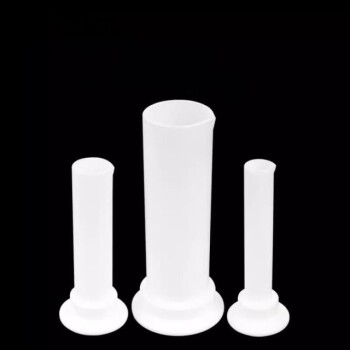
- Custom PTFE Teflon Parts Manufacturer for PTFE Measuring Cylinder 10/50/100ml
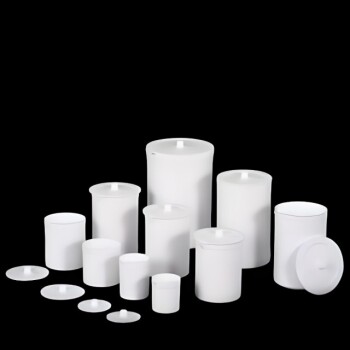
- Custom PTFE Teflon Parts Manufacturer F4 Conical Flask Triangular Flask 50 100 250ml
People Also Ask
- What is the function of a PTFE reactor in MXene etching? Ensure Safe, High-Purity MAX Phase Conversion
- Why is a PTFE reactor required for titanium-based nano-ceramic coating solutions? Ensure Chemical Inertness & Purity
- Why must a Polytetrafluoroethylene (PTFE) reactor be used for Ti3C2TX MXene etching? Ensure Safety and Purity
- Why are PTFE reactors preferred for silver phosphate glass testing? Ensure Purity and Kinetic Accuracy
- What are the advantages of using polytetrafluoroethylene (PTFE) liners in hydrothermal synthesis reactors? High Purity