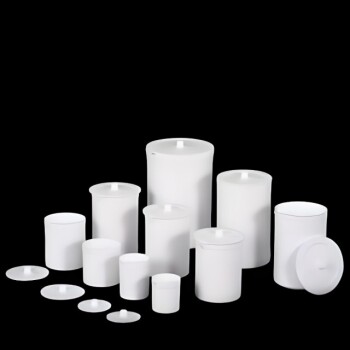
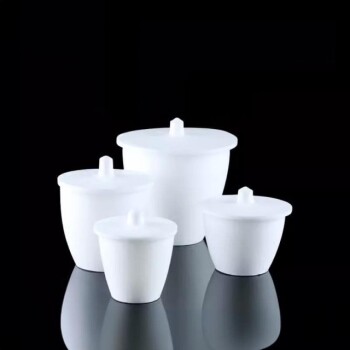
A Polytetrafluoroethylene (PTFE) reactor is mandatory for this process primarily because the selective etching of Ti3C2TX MXene requires the use of hydrofluoric acid (HF), which aggressively corrodes standard laboratory materials like glass and metal. PTFE provides the essential chemical inertness required to contain the reaction, ensuring the vessel does not degrade, leak, or introduce impurities into your final product.
The necessity of a PTFE reactor stems from the dual requirement of operational safety against HF corrosion and chemical purity, ensuring the corrosive etchant removes only the aluminum layers from the MAX phase without dissolving the reaction vessel itself.
The Critical Role of Chemical Resistance
Withstanding Hydrofluoric Acid (HF)
The selective etching process relies on HF (or in-situ generated HF) to strip aluminum layers from the precursor material.
HF is distinct because it attacks silicon dioxide, the primary component of glass. Using a glass beaker for this process would result in the rapid dissolution of the container, leading to a catastrophic spill. Similarly, most metals will corrode quickly in this acidic environment. PTFE is chemically inert to HF, making it one of the few materials capable of safely holding the solution.
Ensuring Operational Safety
The reaction of HF with inappropriate container materials is not just a quality control issue; it is a major safety hazard.
Because HF is highly toxic and penetrating, a vessel failure caused by corrosion puts the operator at significant risk. PTFE reactors provide a robust barrier, preventing leaks even when high concentrations of acid are used.
Preserving Material Quality
Preventing Impurities
To synthesize high-quality Ti3C2TX MXene, purity is paramount.
If the etching solution reacts with the container walls, dissolved byproducts will contaminate the mixture. These impurities are difficult to separate from the final nanomaterial. By using a PTFE reactor, you ensure that the chemical reaction is strictly limited to the etchant and the precursor material.
Facilitating Correct Structural Formation
The goal of the etching process is to create a specific, layered "accordion-like" structure by removing aluminum.
Supplementary data indicates that a stable, sealed environment helps facilitate this delicate chemical stripping. A non-reactive PTFE environment ensures the chemical kinetics are driven solely by the etchant concentration and temperature, rather than side reactions with the vessel.
Handling Hydrothermal Conditions
Managing Pressure and Temperature
Modern etching protocols often utilize hydrothermal assistance to speed up the reaction or improve efficiency.
These processes frequently operate at temperatures between 100-120 °C. In a closed system, this generates pressure. PTFE reactors (often lined within a stainless steel shell) are designed to withstand this specific combination of thermal stress, internal pressure, and corrosive chemical attack simultaneously.
Understanding the Trade-offs
While PTFE is the gold standard for HF etching, it has physical limitations you must account for.
Heat Transfer Efficiency
PTFE is a thermal insulator, not a conductor.
Unlike metal reactors, a PTFE vessel will take longer to reach the desired set-point temperature. You must account for this lag time when designing your heating profiles to ensure the reaction proceeds at the correct temperature for the required duration.
Material Deformation (Creep)
PTFE is a polymer and is susceptible to "creep" or deformation under sustained heat and pressure.
Over many cycles of hydrothermal synthesis, the reactor liner may warp or change shape, potentially compromising the seal. Regular inspection of the reactor is necessary to prevent leaks during pressurized heating.
Making the Right Choice for Your Goal
When setting up your etching experiment, consider your specific priorities:
- If your primary focus is Safety: Inspect the PTFE liner for scratches or deformation before every use, as compromised integrity under pressure can lead to dangerous HF leaks.
- If your primary focus is High Purity: Dedicate specific PTFE liners solely for MXene synthesis to avoid cross-contamination from other chemical syntheses.
- If your primary focus is Process Consistency: Account for the thermal lag of the PTFE material by allowing extra equilibration time once the external heater reaches the set point (100-120 °C).
Using a PTFE reactor is the only way to ensure the structural integrity of your equipment and the chemical integrity of your Ti3C2TX MXene.
Summary Table:
| Feature | Importance in MXene Etching | Advantage of PTFE |
|---|---|---|
| Chemical Resistance | Process uses highly corrosive HF acid | Inert to HF; prevents vessel dissolution |
| Purity Control | Prevents contamination of nanomaterials | No byproduct leaching into the reaction |
| Safety | Prevents hazardous acid leaks | High integrity under acidic conditions |
| Thermal Stability | Required for 100-120°C hydrothermal steps | Withstands heat and internal pressure |
| Structural Integrity | Ensures accordion-like MXene formation | Stable environment for chemical kinetics |
Elevate Your Nanomaterial Synthesis with KINTEK
Precision in Ti3C2TX MXene etching demands high-performance materials that won't compromise your results. KINTEK specializes in premium laboratory equipment, including specialized PTFE products, high-temperature high-pressure reactors, and autoclaves designed to withstand the most aggressive chemical environments like HF etching.
From crushing and milling systems for precursor preparation to robust hydrothermal solutions and essential consumables like ceramics and crucibles, KINTEK provides researchers and labs with the reliability they need for cutting-edge material science.
Ready to upgrade your lab's safety and performance?
Contact KINTEK today for a customized solution!
References
- В. Н. Целуйкин, Marina Lopukhova. Study of Electrodeposition and Properties of Composite Nickel Coatings Modified with Ti3C2TX MXene. DOI: 10.3390/coatings13061042
This article is also based on technical information from Kintek Solution Knowledge Base .
Related Products
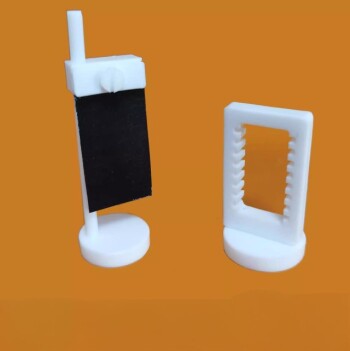
- Custom PTFE Teflon Parts Manufacturer for Hydrothermal Synthesis Reactor Polytetrafluoroethylene Carbon Paper and Carbon Cloth Nano-growth
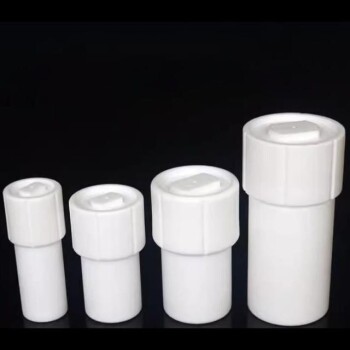
- Custom PTFE Teflon Parts Manufacturer for Microwave Digestion Tank
- Custom PTFE Teflon Parts Manufacturer F4 Conical Flask Triangular Flask 50 100 250ml
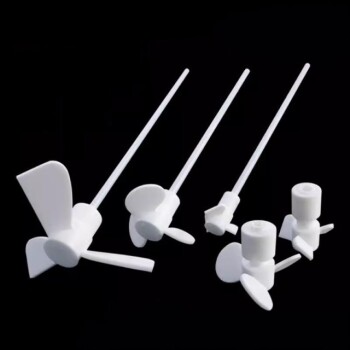
- Custom PTFE Teflon Parts Manufacturer Laboratory High Temperature Mixing Paddle Mixer
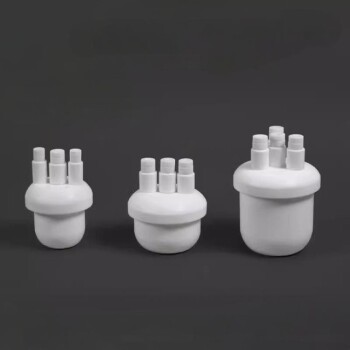
- Custom PTFE Teflon Parts Manufacturer for Three-Necked Round Bottom Flask
People Also Ask
- What is the function of a PTFE reactor in MXene etching? Ensure Safe, High-Purity MAX Phase Conversion
- Why is a PTFE reactor required for titanium-based nano-ceramic coating solutions? Ensure Chemical Inertness & Purity
- Why are PTFE reactors preferred for silver phosphate glass testing? Ensure Purity and Kinetic Accuracy
- What are the advantages of using polytetrafluoroethylene (PTFE) liners in hydrothermal synthesis reactors? High Purity
- Why is a PTFE Liner Essential for Hydrothermal Reactors? Protect Your Purity and Equipment