Operating an autoclave involves managing significant physical forces, and understanding its hazards is the first step toward safe and effective use. The primary dangers are physical, stemming from the high temperatures, pressurized steam, and potentially explosive forces required for sterilization, with secondary risks related to the biological materials and sharp objects being processed.
The greatest risks posed by an autoclave are not from exotic chemicals but from its fundamental operating principles: extreme heat and high pressure. A failure to respect these forces can lead to severe thermal burns, scalding, and even explosive decompression.
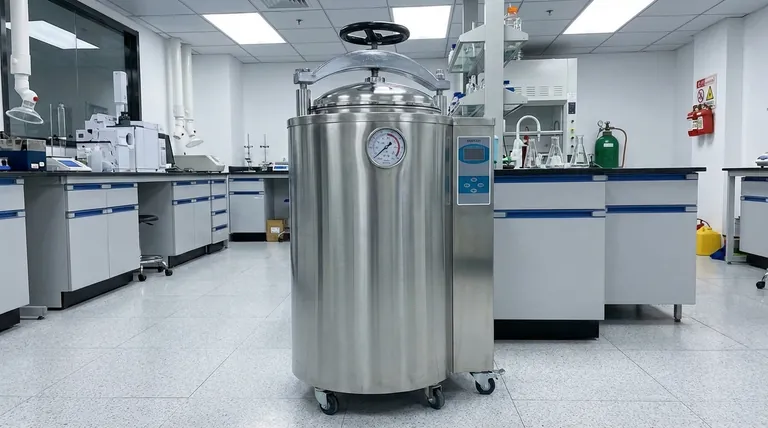
The Core Physical Hazards: Heat, Steam, and Pressure
The very elements that make an autoclave effective are also its main sources of danger. Sterilization is achieved through a combination of forces that are inherently hazardous if not properly contained and managed.
Extreme Heat and Thermal Burns
Autoclaves operate with steam temperatures exceeding 250°F (121°C). Contact with the chamber's inner walls, the door, or the sterilized contents before they have cooled can cause severe thermal burns.
Even after a cycle is complete, the items inside remain dangerously hot for a significant period. Proper personal protective equipment (PPE), including heat-resistant gloves, is not optional—it's essential.
High-Pressure Steam
The steam used for sterilization is held at pressures often exceeding 20 pounds per square inch (psi). If the door is opened prematurely or if a seal fails, this superheated steam can be released explosively.
This creates a severe risk of scalding. Steam burns are often deeper and more damaging than burns from dry heat because the moisture transfers heat energy to the skin more efficiently.
The Danger of Pressurization
The most catastrophic failure involves the chamber's pressurization. Attempting to open an autoclave door while the chamber is still pressurized can cause the door to be thrown open with violent, explosive force, ejecting steam and scalding-hot contents.
Modern autoclaves have safety interlocks to prevent this, but these systems must be properly maintained and never bypassed.
Secondary Hazards: What You Put Inside Matters
Beyond the machine's operation, the materials you place inside introduce another layer of risk that must be managed both before and after the sterilization cycle.
Biological and Sharps Hazards
Often, the items being placed in an autoclave are biologically contaminated. Handling these materials before sterilization requires proper procedures to prevent exposure to infectious agents.
Furthermore, items like needles, scalpels, or broken glass are considered sharps. They can puncture waste bags or gloves, creating a risk of both physical injury and exposure to hazardous materials.
Improperly Loaded Materials
A common but critical error is placing sealed containers inside an autoclave. As the container and its contents heat up, the pressure inside can build to dangerous levels, effectively creating a bomb that can rupture or explode during the cycle.
All containers must be loosely capped or vented to allow pressure to equalize safely.
Understanding the Limitations and Trade-offs
While highly effective, steam sterilization is not universally applicable, and its inherent properties create limitations that can become hazards if ignored.
Material Damage and Incompatibility
The combination of intense heat and moisture will damage or destroy certain materials. Carbon steel instruments are prone to corrosion and dulling in an autoclave.
Only instruments and plastics specifically rated for autoclave temperatures, such as stainless steel and certain polymers, can be safely sterilized. Using an incompatible material can cause it to melt, warp, or release harmful fumes.
Moisture Retention
By its nature, steam sterilization leaves residual moisture on sterilized packs and instruments. If not allowed to dry properly, this moisture can compromise the sterility of the items once they are removed from the chamber.
A Framework for Safe Autoclave Operation
Your approach to safety will depend on your specific role and responsibilities. Use these guidelines to ensure you are mitigating the most relevant risks.
- If you are an operator: Your primary focus must be on personal safety and procedure. Always wear appropriate PPE, including heat-resistant gloves and eye protection, and never attempt to override the machine's safety interlocks.
- If you are a lab manager or supervisor: Your responsibility is to create a safe system. This includes ensuring all users receive rigorous training, implementing a strict maintenance schedule, and posting clear standard operating procedures (SOPs) at the machine.
- If you are selecting materials for sterilization: Your goal is to prevent dangerous reactions and material failure. Always verify that any instrument, container, or material is explicitly approved for autoclaving by its manufacturer.
By treating the autoclave with the respect its power demands, you ensure it remains a critical tool for safety, not a source of danger.
Summary Table:
| Hazard Category | Specific Risks | Key Prevention Measures |
|---|---|---|
| Physical Hazards | Thermal burns, scalding, explosive door failure | Use heat-resistant PPE, never bypass safety interlocks |
| Secondary Hazards | Exposure to infectious agents, sharps injuries, container explosions | Follow handling procedures, vent containers, use approved materials |
| Operational Limitations | Material damage, corrosion, moisture retention | Verify material compatibility, ensure proper drying cycles |
Ensure your laboratory's safety and efficiency with the right equipment and protocols. The potential hazards of an autoclave are significant, but they can be effectively managed with proper training and reliable equipment. At KINTEK, we specialize in providing high-quality lab equipment, including autoclaves and consumables, designed with safety in mind. Our experts can help you select the right sterilizer for your needs and provide guidance on safe operating procedures. Protect your team and your research—contact our specialists today for a consultation.
Visual Guide

Related Products
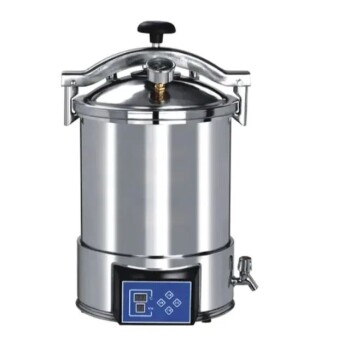
- Portable High Pressure Laboratory Autoclave Steam Sterilizer for Lab Use
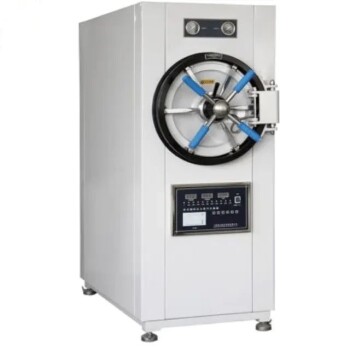
- Laboratory Horizontal Autoclave Steam Sterilizer Lab Microcomputer Sterilizer
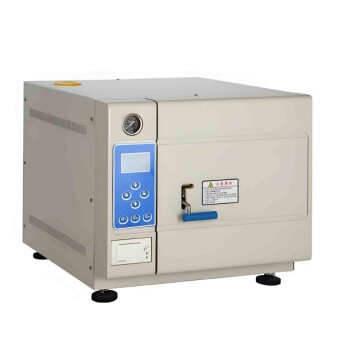
- Desktop Fast High Pressure Laboratory Autoclave Sterilizer 16L 24L for Lab Use
- Portable Digital Display Automatic Laboratory Sterilizer Lab Autoclave for Sterilization Pressure
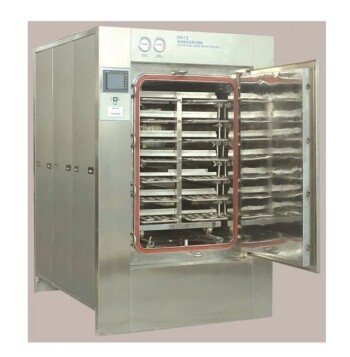
- Desktop Fast Laboratory Autoclave Sterilizer 35L 50L 90L for Lab Use
People Also Ask
- What role does a laboratory autoclave play in HEA corrosion research? Key to Validating Advanced Reactor Materials
- What is the primary function of a laboratory autoclave in the pre-treatment of medical plastic waste for liquid fuel?
- What are the two types of autoclave used in the laboratory? Gravity vs. Pre-Vacuum Explained
- Why is a laboratory autoclave necessary for Postgate Medium B (PMB)? Ensure Pure SRB Cultures & Accurate MIC Research
- What is an autoclave laboratory equipment? The Ultimate Guide to Steam Sterilization