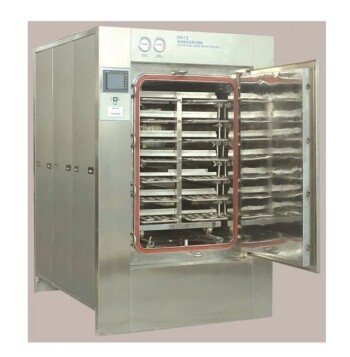
The primary function of a laboratory autoclave in this context is the thorough sterilization of medical plastic waste. By subjecting materials such as infusion bags, urine bags, and gloves to high-pressure steam, the autoclave serves as a critical decontamination step to eliminate biological infectious risks before the material is converted into fuel.
Core Takeaway: This pre-treatment step is essential for operational safety rather than chemical conversion. By neutralizing pathogens, the autoclave ensures that the medical waste feedstock is biologically inert and safe for subsequent mechanical processing and thermal pyrolysis.
The Role of Sterilization in Waste-to-Fuel Conversion
The conversion of medical plastics into liquid fuel requires a feedstock that is chemically suitable and biologically safe. The autoclave acts as the gateway to the entire process.
Eliminating Biological Risks
Medical waste inherently carries the risk of infection. Materials like gloves and infusion bags may be contaminated with bodily fluids or pathogens.
The autoclave utilizes high pressure and heat to kill these microorganisms. This creates a sterile environment, neutralizing biohazards at the very beginning of the workflow.
Enabling Safe Mechanical Processing
After sterilization, the plastic waste often undergoes mechanical processing, such as crushing or shredding.
If the waste were not autoclaved first, these mechanical steps would aerosolize pathogens or contaminate machinery. Sterilization ensures the physical handling of the material does not expose operators to infectious agents.
Preparing for Thermal Pyrolysis
The ultimate goal is thermal pyrolysis, where plastics are heated to generate liquid fuel.
Introducing active biological contaminants into a pyrolysis reactor could introduce unpredictable variables or safety hazards. The autoclave ensures the feedstock entering the reactor is strictly plastic material, stripped of active biological threats.
Critical Considerations in the Process
While the autoclave is vital for safety, it introduces specific constraints to the workflow that must be managed.
The Necessity of Safety Over Speed
Sterilization adds a distinct step to the production line, potentially increasing the total processing time.
However, skipping this step to save time is not a viable option. The risk of handling infectious medical waste outweighs the efficiency gains of bypassing sterilization.
Scope of Treatment
It is important to note that the autoclave targets biological risks, not chemical contaminants.
While it effectively sterilizes the material, it does not remove chemical residues or inorganic impurities. Its sole focus is ensuring the biological safety of the feedstock.
Ensuring Process Integrity for Fuel Conversion
To successfully convert medical waste into liquid fuel, you must prioritize the sequence of operations.
If your primary focus is Operational Safety:
- Ensure every batch of medical waste undergoes a full autoclave cycle to completely eliminate infectious risks before any human or mechanical interaction.
If your primary focus is Process Efficiency:
- Integrate the sterilization phase as a mandatory bottleneck; do not attempt to speed up the workflow by reducing sterilization times, as this compromises the safety of the entire pyrolysis experiment.
A robust waste-to-fuel process relies on the autoclave to transform hazardous medical trash into safe, manageable industrial feedstock.
Summary Table:
| Process Phase | Function of Autoclave | Key Benefit |
|---|---|---|
| Pre-Treatment | High-pressure steam sterilization | Eliminates pathogens & biological infectious risks |
| Mechanical Handling | Biohazard neutralization | Prevents aerosolization of germs during crushing |
| Thermal Pyrolysis | Feedstock stabilization | Ensures inert, safe material enters the reactor |
| Operational Safety | Pathogen decontamination | Protects lab personnel from infectious medical waste |
Transform Hazardous Waste into Sustainable Energy Safely
At KINTEK, we understand that the integrity of your waste-to-fuel research depends on uncompromising safety and precision. Our advanced high-temperature high-pressure reactors and autoclaves are designed to meet the rigorous demands of medical waste sterilization, ensuring your feedstock is biologically inert before mechanical processing or pyrolysis.
Whether you are scaling up a pilot plant or refining laboratory protocols, KINTEK offers a comprehensive range of solutions—from crushing and milling systems to high-temperature furnaces and pyrolysis reactors. Partner with us to enhance your lab's efficiency and safety standards.
Ready to optimize your waste-to-fuel workflow? Contact KINTEK today for expert guidance and high-performance equipment tailored to your research needs.
References
- Sunday Jatau, Ahsan Hafiz Muhammad. Acidic Influence in Conversion of Hospital Plastic Waste into Liquid Fuel using Kaolin Base-supported Catalysts. DOI: 10.4314/jasem.v27i4.6
This article is also based on technical information from Kintek Solution Knowledge Base .
Related Products
- Desktop Fast Laboratory Autoclave Sterilizer 20L 24L for Lab Use
- Laboratory Horizontal Autoclave Steam Sterilizer Lab Microcomputer Sterilizer
- Desktop Fast Laboratory Autoclave Sterilizer 35L 50L 90L for Lab Use
- Desktop Fast High Pressure Laboratory Autoclave Sterilizer 16L 24L for Lab Use
- High Pressure Laboratory Autoclave Reactor for Hydrothermal Synthesis
People Also Ask
- What are the two types of autoclave used in the laboratory? Gravity vs. Pre-Vacuum Explained
- What is a laboratory autoclave? A Guide to Sterilization with Pressurized Steam
- What precautions should be taken during autoclave in laboratory? A Complete Safety Guide to Prevent Burns and Explosions
- What extreme conditions does a laboratory autoclave simulate? Testing Wear Resistance of Nuclear Fuel Cladding
- What role does a laboratory autoclave play in HEA corrosion research? Key to Validating Advanced Reactor Materials