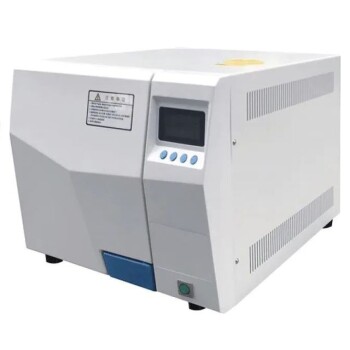
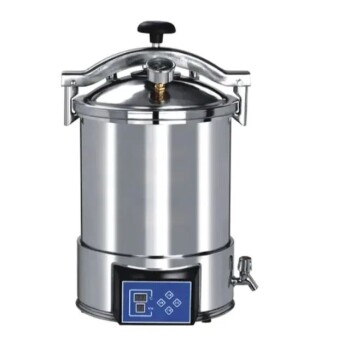
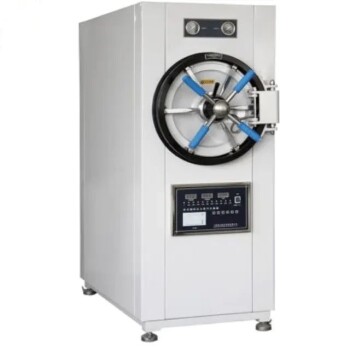
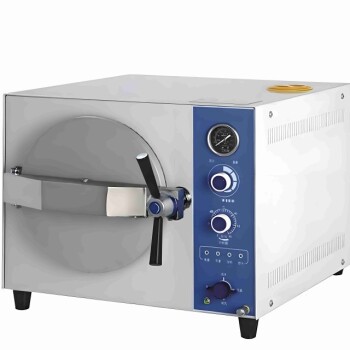
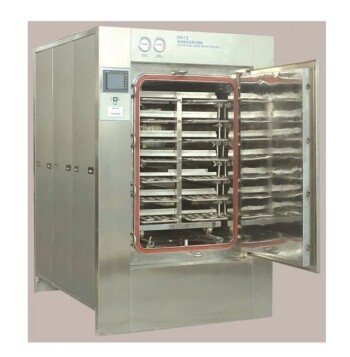
A laboratory autoclave provides a critical simulation environment essential for evaluating nuclear fuel cladding. To accurately assess wear resistance, the autoclave reproduces the high temperature, high pressure, specific hydrodynamic conditions, and precise cooling water chemistry characteristic of an operating Light Water Reactor (LWR).
Core Insight: Reliable data on nuclear cladding durability cannot be obtained through standard mechanical testing alone. The autoclave serves as a specialized environmental simulator, ensuring that debris fretting tests reflect the authentic thermal, hydraulic, and chemical stresses the materials will face during long-term reactor operation.
Replicating Critical Reactor Variables
To validate the performance of fuel cladding, researchers must move beyond simple stress tests and recreate the complex ecosystem of a nuclear core. The autoclave facilitates this by controlling three primary environmental pillars.
Extreme Thermal and Barometric Stress
The baseline requirement for these tests is simulating the intense physical state of the reactor core. The autoclave maintains high temperatures and high pressures consistent with LWR specifications to stress the cladding materials physically.
Hydrodynamic Conditions
Static water cannot simulate the wear caused by coolant flow. The autoclave generates specific hydrodynamic conditions, replicating the fluid movement and turbulence that contribute to vibration and mechanical wear on fuel assemblies.
Cooling Water Chemistry
The chemical environment is just as aggressive as the physical one. The system reproduces specific cooling water chemistry, ensuring that the test accounts for corrosion or chemical interactions that could accelerate wear or degrade the cladding surface.
The Role of Debris Fretting Tests
The primary application of these environmental conditions is to conduct debris fretting tests. This testing method is the industry standard for evaluating how well cladding resists damage from loose debris trapped in the coolant flow.
Evaluating Advanced Coatings
Researchers use this setup to test specific anti-wear coatings, such as Titanium Nitride (TiN) or Chromium (Cr). By subjecting these coated samples to the autoclave's environment, they can determine if the coating maintains its integrity under stress.
Assessing Consistency and Durability
The goal is to move beyond theoretical performance. The autoclave allows experts to evaluate the consistency and durability of the coatings, providing experimental validation that they will survive the reactor's service life without failure.
Critical Considerations and Limitations
While the autoclave is a powerful tool, it is important to understand the complexities of creating a valid simulation.
The Necessity of Integrated Variables
Testing these variables in isolation often leads to inaccurate data. Authentic evaluation requires the simultaneous application of temperature, pressure, flow, and chemistry; missing one variable can significantly skew the results regarding wear resistance.
Simulation vs. Reality
Even the best laboratory simulation is an approximation of the chaotic environment inside a live reactor. The autoclave provides a realistic simulation of long-term service status, but it serves as a validation step for development rather than a perfect replacement for in-pile testing.
Ensuring Valid Material Qualification
To ensure your evaluation of nuclear fuel cladding produces actionable data, consider the following strategic focus areas:
- If your primary focus is developing new coatings: Ensure your test protocol subjects the material (e.g., TiN or Cr) to the full simultaneous suite of thermal, hydraulic, and chemical stresses.
- If your primary focus is validating wear resistance: Prioritize the accuracy of the hydrodynamic conditions in the autoclave to correctly simulate the debris fretting mechanisms found in an LWR.
The reliability of your wear resistance data depends entirely on how authentically your autoclave replicates the hostility of the reactor core.
Summary Table:
| Environmental Factor | Simulation Role in Nuclear Testing | Impact on Cladding Wear |
|---|---|---|
| High Temperature | Replicates LWR core thermal stress | Accelerates material fatigue and oxidation |
| High Pressure | Maintains liquid phase at reactor temps | Induces physical stress and seal integrity checks |
| Hydrodynamics | Simulates coolant flow and turbulence | Facilitates debris fretting and vibration-induced wear |
| Water Chemistry | Mimics reactor coolant pH and additives | Tests corrosion resistance and coating stability |
| Simultaneous Stress | Combined environmental simulation | Validates long-term durability and coating consistency |
Elevate Your Nuclear Research with KINTEK Precision
To achieve authentic validation of nuclear fuel cladding and advanced coatings, you need a simulation environment that never compromises on accuracy. KINTEK specializes in high-performance laboratory equipment, offering industry-leading high-temperature high-pressure reactors and autoclaves designed to replicate the most demanding reactor conditions.
Whether you are testing Chromium coatings for wear resistance or investigating debris fretting mechanisms, our comprehensive range of specialized solutions—from high-temperature furnaces to precision hydraulic presses—ensures your materials meet the highest standards of safety and durability.
Ready to optimize your material qualification process? Contact our technical experts today to discover how KINTEK can enhance your lab's testing capabilities and deliver reliable, actionable data for your next breakthrough.
References
- Yu. Zorenko, Anna Mrozik. Development of TL and OSL materials for the analyzation of dose and energy distributions of photon beams for radiotherapeutic applications. DOI: 10.21175/rad.abstr.book.2023.42.8
This article is also based on technical information from Kintek Solution Knowledge Base .
Related Products
- Desktop Fast Laboratory Autoclave Sterilizer 20L 24L for Lab Use
- Desktop Fast High Pressure Laboratory Autoclave Sterilizer 16L 24L for Lab Use
- Portable High Pressure Laboratory Autoclave Steam Sterilizer for Lab Use
- Portable Digital Display Automatic Laboratory Sterilizer Lab Autoclave for Sterilization Pressure
- Laboratory Horizontal Autoclave Steam Sterilizer Lab Microcomputer Sterilizer
People Also Ask
- What are the two types of autoclave used in the laboratory? Gravity vs. Pre-Vacuum Explained
- What is a laboratory autoclave? A Guide to Sterilization with Pressurized Steam
- What precautions should be taken during autoclave in laboratory? A Complete Safety Guide to Prevent Burns and Explosions
- What extreme conditions does a laboratory autoclave simulate? Testing Wear Resistance of Nuclear Fuel Cladding
- What role does a laboratory autoclave play in HEA corrosion research? Key to Validating Advanced Reactor Materials