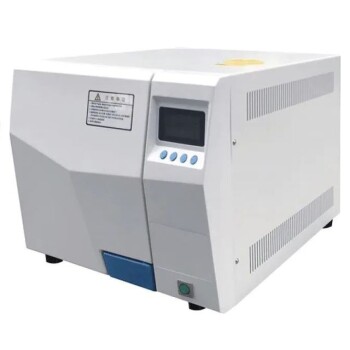
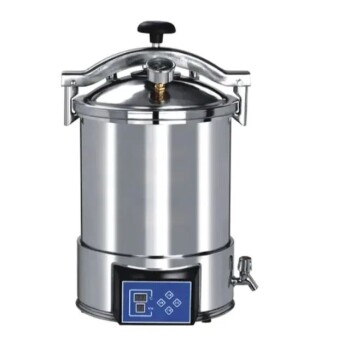
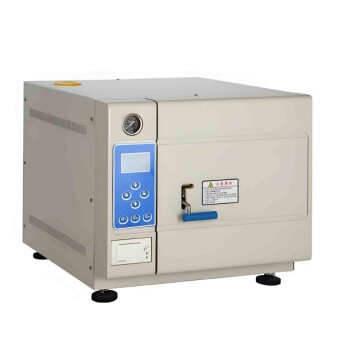
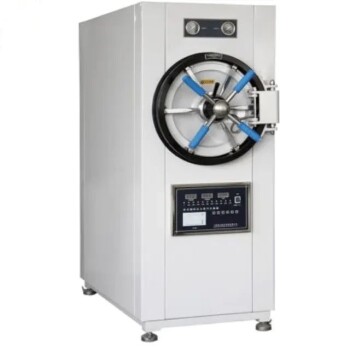
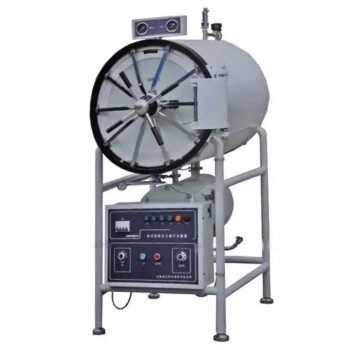
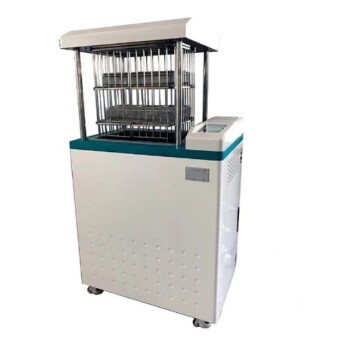
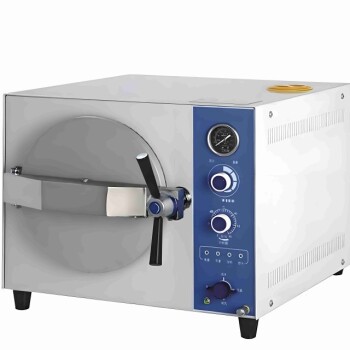
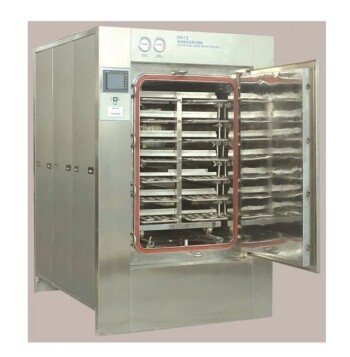
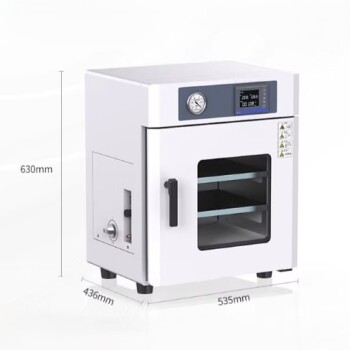
Laboratory autoclaves function as essential high-pressure thermal reactors in the research and development of pectin oligosaccharides. They utilize steam at specific temperatures—typically between 150°C and 170°C—to physically and chemically disrupt the tough cellular structure of fruit byproducts like citrus peels and apple pomace.
The autoclave provides a controlled environment for the partial hydrolysis of lignocellulosic biomass, allowing researchers to define the precise operational parameters required to extract prebiotics before attempting industrial scale-up.
The Mechanism of Extraction
Breaking Down the Cellular Barrier
The primary challenge in working with biomass such as citrus peels is the rigid lignocellulosic framework. This structure traps valuable compounds, making them difficult to access using standard solvents or low heat.
The Role of High-Pressure Steam
Autoclaves overcome this barrier by applying high-pressure steam. The intense thermal energy penetrates the biomass more effectively than dry heat.
This process facilitates the dissolution of the plant material, converting solid structural components into soluble forms.
Facilitating Partial Hydrolysis
Beyond simple dissolution, the autoclave environment drives partial hydrolysis. This chemical reaction breaks long-chain pectin molecules into smaller, biologically active oligosaccharides.
Control is vital here; the goal is to break the chains down without degrading them into simple sugars or unwanted byproducts.
Optimization and Scalability
Defining Process Parameters
Because autoclaves allow for precise regulation of the environment, they are ideal for parameter optimization. Researchers can strictly control temperature and exposure time to see how these variables affect yield.
Adjusting Solid-Liquid Ratios
The small footprint of a laboratory autoclave allows for iterative testing of solid-liquid ratios. Determining the correct amount of solvent relative to the biomass is a critical step in maximizing extraction efficiency.
Bridging the Gap to Production
Data gathered from autoclave experiments serves as the foundation for larger processes. It allows scientists to validate the feasibility of prebiotic production on a small scale before investing in large-scale manufacturing equipment.
Understanding the Trade-offs
The Risk of Thermal Degradation
While the 150°C–170°C range is effective, it presents a delicate balance. Over-processing at the upper end of this temperature range or for extended periods can destroy the target oligosaccharides.
Batch Processing Limitations
Laboratory autoclaves are inherently designed for batch processing. While excellent for research and defining parameters, they do not offer the continuous flow capabilities required for high-volume commercial production.
Making the Right Choice for Your Goal
To effectively utilize an autoclave for pectin extraction, align your usage with your specific research phase.
- If your primary focus is Feasibility Testing: Use the autoclave to quickly determine if your specific biomass source releases pectin within the 150°C–170°C window.
- If your primary focus is Process Optimization: Run multiple small-batch cycles to identify the exact time and temperature that maximizes yield while minimizing degradation.
By treating the autoclave as a precision instrument for optimization rather than just a sterilization tool, you can unlock the full potential of your biomass raw materials.
Summary Table:
| Feature | Role in Pectin Extraction | Benefit |
|---|---|---|
| Temperature (150-170°C) | Drives partial hydrolysis of pectin | Converts biomass into bioactive oligosaccharides |
| High-Pressure Steam | Penetrates rigid lignocellulosic frameworks | Effectively dissolves plant material for higher yield |
| Precise Control | Regulation of exposure time and temperature | Prevents thermal degradation and unwanted byproducts |
| Batch Versatility | Iterative testing of solid-liquid ratios | Optimizes parameters for future industrial scale-up |
Elevate Your Biomass Research with KINTEK Precision
Unlock the full potential of your prebiotic research with KINTEK’s high-performance laboratory autoclaves and high-pressure reactors. Whether you are optimizing pectin extraction from citrus peels or apple pomace, our equipment provides the precise thermal control and durability required for demanding hydrolysis processes.
Beyond extraction, KINTEK specializes in a comprehensive range of laboratory solutions, including:
- High-Temperature & High-Pressure Reactors: Engineered for complex chemical transformations.
- Material Processing: Advanced crushing, milling, and sieving systems for biomass preparation.
- Sample Preparation: Precision hydraulic presses (pellet, hot, isostatic) and high-quality crucibles.
- Thermal Treatment: A full suite of muffle, tube, and vacuum furnaces for material science.
Ready to bridge the gap from feasibility testing to industrial production? Contact our technical experts today to find the perfect equipment solution for your laboratory needs.
References
- Ramachandran Chelliah, Deog‐Hwan Oh. Revolutionizing Renewable Resources: Cutting-Edge Trends and Future Prospects in the Valorization of Oligosaccharides. DOI: 10.3390/fermentation10040195
This article is also based on technical information from Kintek Solution Knowledge Base .
Related Products
- Desktop Fast Laboratory Autoclave Sterilizer 20L 24L for Lab Use
- Desktop Fast High Pressure Laboratory Autoclave Sterilizer 16L 24L for Lab Use
- Portable High Pressure Laboratory Autoclave Steam Sterilizer for Lab Use
- Portable Digital Display Automatic Laboratory Sterilizer Lab Autoclave for Sterilization Pressure
- Desktop Fast Laboratory Autoclave Sterilizer 35L 50L 90L for Lab Use
People Also Ask
- What are the two types of autoclave used in the laboratory? Gravity vs. Pre-Vacuum Explained
- What is a laboratory autoclave? A Guide to Sterilization with Pressurized Steam
- What precautions should be taken during autoclave in laboratory? A Complete Safety Guide to Prevent Burns and Explosions
- What extreme conditions does a laboratory autoclave simulate? Testing Wear Resistance of Nuclear Fuel Cladding
- What role does a laboratory autoclave play in HEA corrosion research? Key to Validating Advanced Reactor Materials