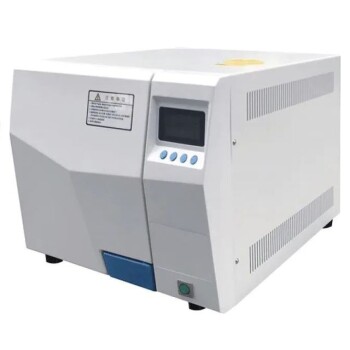
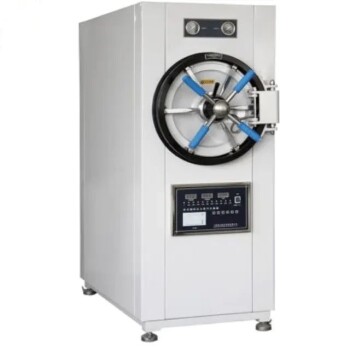
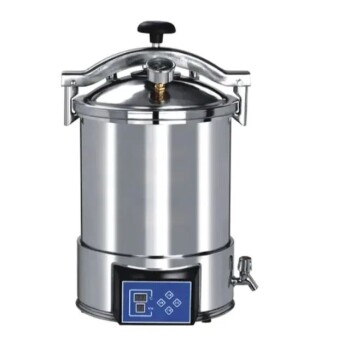
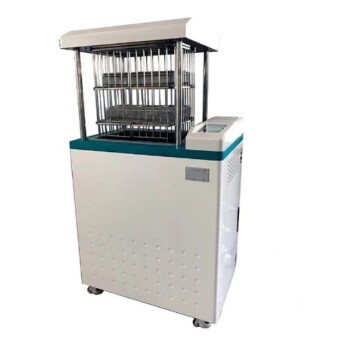
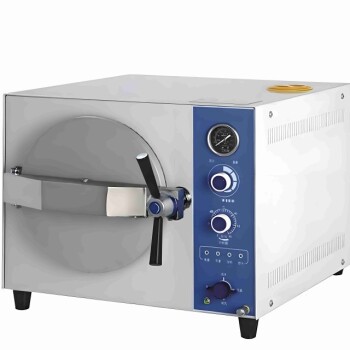
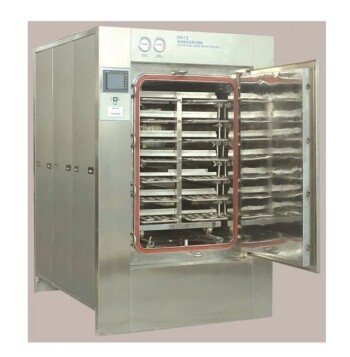
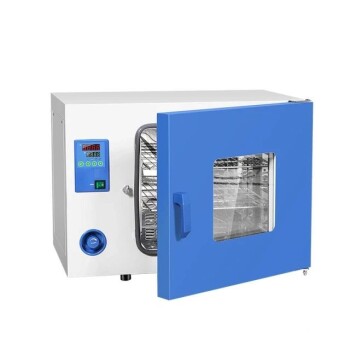
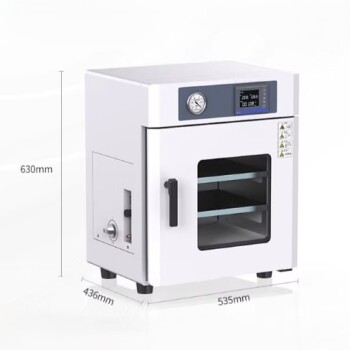
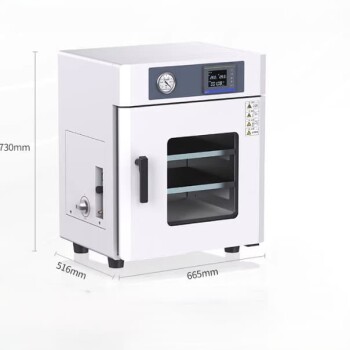
The laboratory autoclave serves as a critical simulation chamber for validating advanced materials. It allows researchers to subject High-Entropy Alloys (HEAs) to the specific, extreme environments found within nuclear reactors, specifically high-temperature and high-pressure water. By replicating these conditions, the autoclave acts as the primary tool for testing whether a new material can survive and function safely in next-generation energy systems.
Core Takeaway To verify High-Entropy Alloys for use in fourth-generation nuclear reactors, theoretical strength is not enough; the material must withstand chemically aggressive environments. The autoclave provides the necessary empirical data on corrosion rates and surface stability, bridging the gap between material synthesis and real-world deployment.
Simulating Extreme Reactor Conditions
Recreating the Hostile Environment
A standard laboratory environment cannot replicate the stresses inside a nuclear reactor. The autoclave is specifically engineered to generate and maintain high-temperature and high-pressure water conditions. This creates a realistic "torture test" for materials intended for structural use.
Targeting Fourth-Generation Applications
The primary goal of this testing is to support the development of fourth-generation nuclear reactors. These advanced systems operate under conditions that far exceed current standards. The autoclave ensures that HEAs can handle these elevated parameters without catastrophic failure.
Evaluating Material Performance
Conducting Immersion Tests
The core function of the equipment is to perform immersion tests. Alloy samples are submerged in the heated, pressurized aqueous medium for set durations. This exposes the material to the same chemical and physical stressors it would face during years of operation.
Measuring Corrosion Rates
Once the immersion test is complete, researchers analyze how much the material has degraded. The autoclave allows for the precise calculation of the corrosion rate. This metric is the defining factor in determining the lifespan of a structural component.
Analyzing Surface Oxide Stability
Beyond simple mass loss, the test evaluates the protective qualities of the alloy. Researchers examine the stability of the surface oxide film. This film is the material's first line of defense against the combined effects of chemical media and the simulated radiation environment.
Understanding the Limitations
Simulation vs. Reality
While an autoclave provides excellent data, it remains a simulation. It isolates specific variables—temperature, pressure, and chemistry—but may not perfectly replicate the complex, dynamic flow of coolant in an operating reactor.
The Complexity of Combined Effects
The reference notes the study of "combined effects of radiation and chemical media." Replicating the exact synergy between neutron irradiation and water chemistry in a lab setting is highly complex. Results must always be interpreted as a baseline for reliability rather than a guarantee of in-reactor performance.
Making the Right Choice for Your Goal
To utilize an autoclave effectively for HEA research, align your testing parameters with your specific validation needs.
- If your primary focus is Material Screening: Use the autoclave to quickly rank different HEA compositions based on their short-term corrosion rates in high-temperature water.
- If your primary focus is Long-Term Reliability: Focus on analyzing the integrity and thickness of the surface oxide film to predict how the material will behave over decades of service.
The autoclave provides the definitive "pass/fail" environment required to transition High-Entropy Alloys from experimental concepts to viable structural solutions.
Summary Table:
| Feature | Role in HEA Corrosion Research | Importance for Nuclear Applications |
|---|---|---|
| Environment Simulation | Replicates high-pressure/high-temperature water | Creates realistic 'torture tests' for structural materials |
| Immersion Testing | Submerges HEA samples in chemical media | Validates durability against chemically aggressive stressors |
| Data Collection | Measures corrosion rates and mass loss | Predicts the operational lifespan of reactor components |
| Surface Analysis | Evaluates oxide film stability | Assesses the material's primary defense against degradation |
| Validation | Bridges gap between synthesis and deployment | Ensures materials meet safety standards for Gen IV reactors |
Accelerate Your Advanced Material Research with KINTEK
Precision testing is the foundation of innovation in material science. KINTEK specializes in high-performance laboratory equipment designed to withstand the most demanding research environments. Whether you are validating High-Entropy Alloys for the next generation of energy systems or developing aerospace components, our precision-engineered high-temperature high-pressure reactors and autoclaves provide the accurate empirical data you need to ensure material reliability.
Our extensive portfolio for research professionals includes:
- Thermal Processing: Muffle, tube, vacuum, and CVD/PECVD furnaces.
- Material Preparation: Crushing, milling, and advanced hydraulic presses (pellet, hot, isostatic).
- Lab Infrastructure: ULT freezers, freeze dryers, and high-performance electrolytic cells.
Don't leave your results to chance. Partner with KINTEK for durable equipment and essential consumables that guarantee consistency in your laboratory. Contact our technical experts today to find the perfect solution for your research goals.
References
- A. V. Levenets, O.V. Nemashkalo. HIGH-ENTROPY ALLOYS AS A PROSPECTIVE CLASS OF NEW RADIATION-TOLERANT MATERIALS RESEARCH DEVELOPMENT ANALYSIS BASED ON THE INFORMATION DATABASES. DOI: 10.46813/2021-132-003
This article is also based on technical information from Kintek Solution Knowledge Base .
Related Products
- Desktop Fast Laboratory Autoclave Sterilizer 20L 24L for Lab Use
- Laboratory Horizontal Autoclave Steam Sterilizer Lab Microcomputer Sterilizer
- Desktop Fast Laboratory Autoclave Sterilizer 35L 50L 90L for Lab Use
- Desktop Fast High Pressure Laboratory Autoclave Sterilizer 16L 24L for Lab Use
- High Pressure Laboratory Autoclave Reactor for Hydrothermal Synthesis
People Also Ask
- What are the two types of autoclave used in the laboratory? Gravity vs. Pre-Vacuum Explained
- What is a laboratory autoclave? A Guide to Sterilization with Pressurized Steam
- What precautions should be taken during autoclave in laboratory? A Complete Safety Guide to Prevent Burns and Explosions
- What extreme conditions does a laboratory autoclave simulate? Testing Wear Resistance of Nuclear Fuel Cladding
- Why is a laboratory autoclave necessary for Postgate Medium B (PMB)? Ensure Pure SRB Cultures & Accurate MIC Research