The function of this apparatus is to provide a contaminant-free, high-pressure environment essential for synthesis. Specifically, the stainless steel shell withstands the physical stress of hydrothermal carbonization, while the PTFE liner creates a chemical barrier that prevents metal impurities from degrading the sulfur and nitrogen co-doped carbon dots (cys-CDs).
Core Takeaway The hydrothermal autoclave acts as a "pressure cooker" for nanomaterials, utilizing the stainless steel exterior to maintain the high pressures required for carbonization. Simultaneously, the inner PTFE liner ensures the chemical integrity of the reaction, isolating the precursors from the metal shell to guarantee the high purity necessary for the cys-CDs' optical properties.
The Role of the Stainless Steel Shell
Facilitating High-Pressure Carbonization
The primary function of the stainless steel exterior is structural integrity. It allows the system to reach and sustain temperatures and pressures well above the atmospheric boiling point of water.
Promoting Reaction Efficiency
This sealed, high-pressure environment is critical for the hydrothermal method. It promotes the carbonization of precursors and facilitates surface functionalization, driving the formation of the carbon dot structure that would not occur under standard ambient conditions.
The Critical Function of the PTFE Liner
Ensuring Chemical Inertness
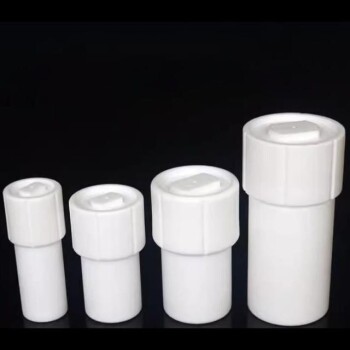
The Polytetrafluoroethylene (PTFE) liner serves as the primary reaction vessel. Its defining characteristic is excellent chemical inertness, meaning it does not react with the precursor solution even under aggressive hydrothermal conditions.
Preventing Equipment Corrosion
During the synthesis of cys-CDs, the reaction mixture may generate highly oxidative or reductive intermediates. The PTFE liner acts as a shield, preventing these harsh chemical species from corroding the stainless steel wall of the autoclave.
Eliminating Metal Ion Contamination
Perhaps the most critical function for carbon dot synthesis is purity control. The liner effectively blocks the introduction of metal ion impurities (such as iron or chromium from the steel) into the cys-CDs system. Metal ions can quench fluorescence and alter the electronic properties of the dots, so excluding them is vital for high-quality synthesis.
Understanding the Trade-offs
Temperature Limitations
While PTFE is chemically robust, it has thermal limits. Standard PTFE liners generally begin to soften or deform at temperatures exceeding 200°C to 250°C. For syntheses requiring temperatures beyond this threshold, alternative liner materials (like PPL) or different reactor types are required to prevent liner failure.
"Cold Flow" and Deformation
Under high pressure and temperature, PTFE can experience creep or "cold flow." Over repeated uses, the liner may deform slightly, potentially compromising the seal. It is essential to inspect the liner regularly for physical distortion to ensure safety and reaction consistency.
Making the Right Choice for Your Goal
When setting up your synthesis for sulfur and nitrogen co-doped carbon dots, consider these factors:
- If your primary focus is Optical Purity: Prioritize the condition of the PTFE liner; even micro-fissures can expose the solution to the steel, introducing fluorescence-quenching metal ions.
- If your primary focus is Reaction Speed: You may increase the temperature to accelerate carbonization, but ensure you stay strictly within the thermal rating of your specific PTFE liner to avoid dangerous deformation.
The autoclave system is a balance of forces: the steel handles the physics, while the PTFE protects the chemistry.
Summary Table:
| Component | Material | Primary Function in cys-CDs Synthesis |
|---|---|---|
| Outer Shell | Stainless Steel | Provides structural integrity & withstands high internal pressure. |
| Inner Liner | PTFE (Teflon) | Ensures chemical inertness & prevents metal ion contamination. |
| Reaction Environment | Hydrothermal | Promotes carbonization & surface functionalization of precursors. |
| Temperature Limit | < 250°C | Maintains liner stability; prevents "cold flow" or deformation. |
Elevate Your Nanomaterial Synthesis with KINTEK
Precision matters when developing high-performance sulfur and nitrogen co-doped carbon dots. At KINTEK, we specialize in providing high-quality hydrothermal autoclaves and high-pressure reactors designed to maintain the chemical integrity of your most sensitive reactions.
Our PTFE-lined systems are engineered to prevent metal ion quenching and withstand aggressive hydrothermal conditions, ensuring your cys-CDs achieve maximum fluorescence and purity. Whether you are scaling up battery research or perfecting nanomaterial functionalization, our comprehensive range of laboratory equipment—from high-temperature furnaces to PTFE consumables—is built to meet the rigorous demands of modern science.
Ready to optimize your lab's performance? Contact our technical experts today to find the perfect reactor solution for your research goals!
References
- Yujia Cheng, Guang Yu. N-S-co-Doped Carbon Dot Blue Fluorescence Preparation and Baicalein Detection. DOI: 10.3390/inorganics12060154
This article is also based on technical information from Kintek Solution Knowledge Base .
Related Products
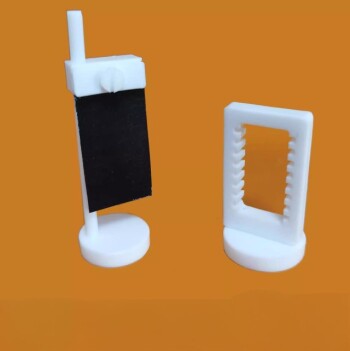
- Custom PTFE Teflon Parts Manufacturer for Hydrothermal Synthesis Reactor Polytetrafluoroethylene Carbon Paper and Carbon Cloth Nano-growth
- High Pressure Laboratory Autoclave Reactor for Hydrothermal Synthesis
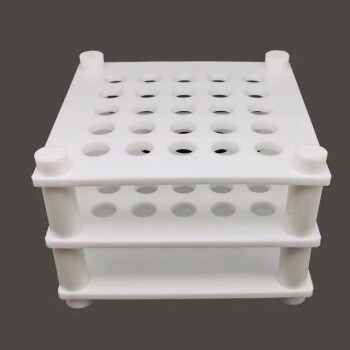
- Custom PTFE Teflon Parts Manufacturer for Centrifuge Tube Racks
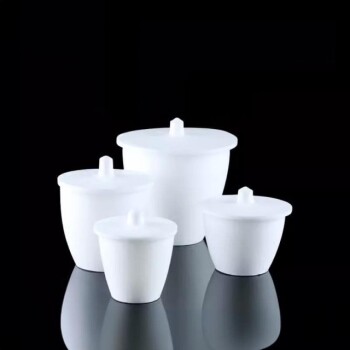
- Custom Machined and Molded PTFE Teflon Parts Manufacturer with PTFE Crucible and Lid
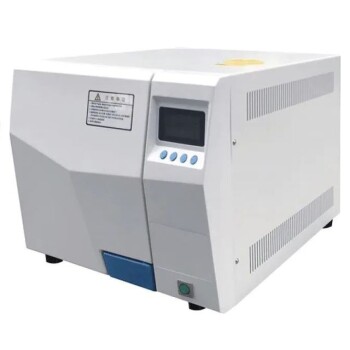
- Desktop Fast Laboratory Autoclave Sterilizer 35L 50L 90L for Lab Use
People Also Ask
- What is the function of a PTFE reactor in MXene etching? Ensure Safe, High-Purity MAX Phase Conversion
- Why is a PTFE reactor required for titanium-based nano-ceramic coating solutions? Ensure Chemical Inertness & Purity
- Why must a Polytetrafluoroethylene (PTFE) reactor be used for Ti3C2TX MXene etching? Ensure Safety and Purity
- Why are PTFE reactors preferred for silver phosphate glass testing? Ensure Purity and Kinetic Accuracy
- What are the advantages of using polytetrafluoroethylene (PTFE) liners in hydrothermal synthesis reactors? High Purity