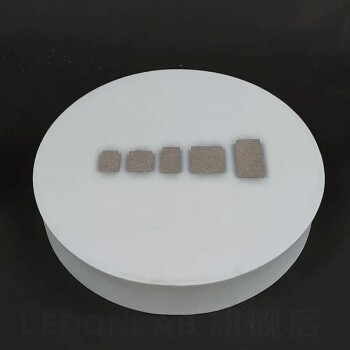
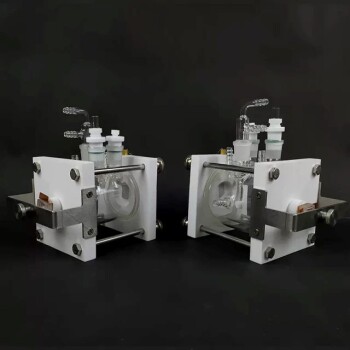
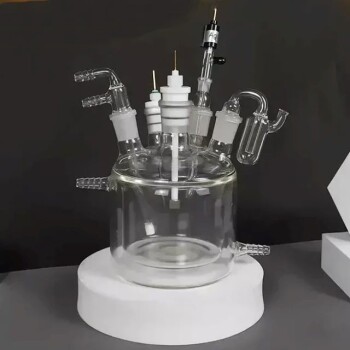
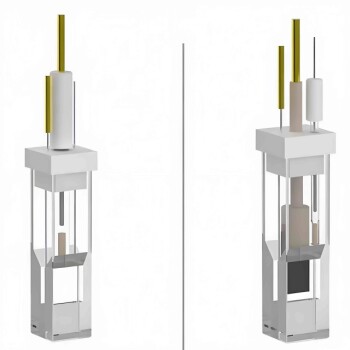
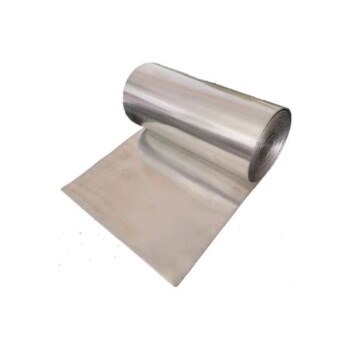
In the context of electrolytic cells, copper foil serves as the critical conductive substrate for the electrodeposition process. It acts as the physical receiver (cathode) where dissolved transition metal ions—specifically cobalt, iron, and copper—are reduced from a liquid state into a solid metal alloy.
The copper foil cathode enables the in-situ recovery of critical resources by providing a highly conductive, compatible surface for growing high-value Co–Fe–Cu alloy layers directly from leached magnet material.
The Mechanism of Recovery
Acting as the Deposition Substrate
The primary role of the copper foil is to serve as the foundation for metal growth.
As the magnet material at the anode dissolves, it releases metal ions into the solution. The copper foil receives these ions, allowing them to accumulate and bond to its surface.
Selective Ion Reduction
The cathode specifically targets transition metal ions: Cobalt (Co2+), Iron (Fe2+), and Copper (Cu2+).
These ions are leached from the anodic magnet and travel through the electrolyte. Upon reaching the copper foil, they undergo reduction and solidify.
Why Copper Foil is utilized
High Electrical Conductivity
Efficient electrodeposition requires a cathode that offers minimal resistance to electrical current.
Copper foil is selected for its exceptional conductivity, which facilitates the efficient transfer of electrons required to reduce the metal ions from the solution onto the foil.
Excellent Plating Compatibility
For the recovery process to be successful, the deposited metals must adhere firmly to the cathode.
Copper foil demonstrates excellent plating compatibility, ensuring that the reduced ions form a stable, continuous alloy layer rather than flaking off or forming loose powder.
Operational Outcomes and Trade-offs
Production of Alloy Layers
The specific output of this setup is not a pure single metal, but a Co–Fe–Cu alloy layer.
This allows for the direct reconstruction of these metals into a usable alloy format, streamlining the recycling process for these specific critical metals.
Specific Scope of Recovery
It is important to note the selectivity of this specific cathode reaction.
While this process recovers transition metals (Co, Fe, Cu), the primary reference indicates it specifically targets these ions, implying that other components of the magnet (such as Samarium) are treated differently or remain in solution during this specific stage.
Making the Right Choice for Your Goal
If your primary focus is Alloy Reconstruction: Ensure your voltage parameters are set to co-deposit Co, Fe, and Cu simultaneously to form the desired high-value alloy layer on the foil.
If your primary focus is Process Efficiency: Leverage the high conductivity of the copper foil to minimize energy loss during the reduction of transition metal ions.
Copper foil transforms the recovery process from simple waste treatment into the precision manufacturing of new metal alloys.
Summary Table:
| Feature | Role of Copper Foil in Recovery |
|---|---|
| Primary Function | Acts as the conductive substrate for metal ion reduction and solid alloy growth. |
| Targeted Elements | Efficiently recovers Cobalt (Co), Iron (Fe), and Copper (Cu). |
| Key Benefit | High electrical conductivity reduces energy loss during the deposition process. |
| Material Output | Produces a stable, continuous Co–Fe–Cu alloy layer ready for reconstruction. |
| Compatibility | Superior plating adhesion ensures uniform alloy formation without flaking. |
Maximize Your Material Recovery Efficiency with KINTEK
Are you looking to streamline your metal recovery and alloy reconstruction processes? KINTEK specializes in precision-engineered laboratory equipment designed for the most demanding electrochemical applications. From high-performance electrolytic cells and electrodes to specialized battery research tools, we provide the infrastructure needed to turn waste into high-value resources.
Our extensive portfolio includes:
- Electrochemical Solutions: High-purity electrodes, electrolytic cells, and high-temperature reactors.
- Thermal Processing: Muffle, vacuum, and atmosphere furnaces for alloy treatment.
- Sample Preparation: Crushing, milling, and hydraulic presses (pellet, isostatic) for material analysis.
Ready to upgrade your lab's capabilities? Contact KINTEK today to discover how our high-quality consumables and advanced laboratory systems can optimize your research and production outcomes.
References
- Xuan Xu, Kristina Žužek Rožman. Electrochemical routes for environmentally friendly recycling of rare-earth-based (Sm–Co) permanent magnets. DOI: 10.1007/s10800-022-01696-9
This article is also based on technical information from Kintek Solution Knowledge Base .
Related Products
- Quartz Electrolytic Electrochemical Cell for Electrochemical Experiments
- PTFE Electrolytic Cell Electrochemical Cell Corrosion-Resistant Sealed and Non-Sealed
- Copper Nickel Foam Metal Sheet
- Electrolytic Electrochemical Cell for Coating Evaluation
- Electrolytic Electrochemical Cell with Five-Port
People Also Ask
- Why is a quartz electrolytic cell used for acrylic acid wastewater? Ensure Chemical Stability & Data Integrity
- How does the design of an electrochemical electrolytic cell influence the coating uniformity? Optimize Your Catalysts
- What are the key features of quartz that make it suitable for electrolytic cells? Discover the 4 Pillars of Superior Performance
- What is the correct shutdown and disassembly procedure after an experiment? Ensure Safety and Protect Your Equipment
- How do the electrochemical cell and three-electrode testing system collaborate? Optimize Zinc Anode Deposition Control