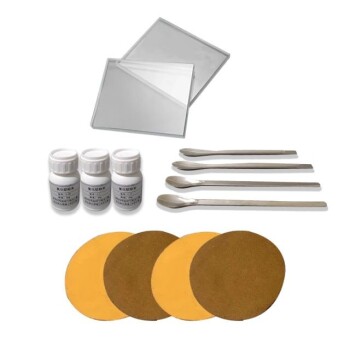
Effective metallographic polishing relies on pairing the correct textile with the abrasive particle size to ensure the proper material removal rate and surface finish. For 1.0 micron (µm) alumina powder, you must use nylon polishing cloth or silk velvet cloth, whereas finer 0.3 µm and 0.05 µm powders require polishing chamois.
The selection of polishing cloth is dictated strictly by the grit size: coarser 1.0 µm stages utilize woven fabrics like nylon or velvet, while the final ultra-fine stages demand chamois.
Optimizing the Polishing Sequence
To achieve a defect-free surface, you must segregate your polishing cloths based on the alumina powder grit size. Using the wrong cloth for a specific grit can compromise the efficiency of the polishing step.
The Intermediate Stage (1.0 Micron)
When working with 1.0 µm alumina powder, the primary goal is usually effective material removal prior to final finishing.
For this specific particle size, the designated textiles are nylon polishing cloth or silk velvet cloth. These materials provide the necessary structure to support the 1.0 µm abrasive action effectively.
The Final Polishing Stage (Sub-Micron)
As you progress to sub-micron abrasives, the cloth requirement changes to support high-precision surface finishing.
For both 0.3 µm and 0.05 µm alumina powders, you must switch to polishing chamois. This material is specifically designated for these ultra-fine grits to produce the final polished surface.
Common Pitfalls to Avoid
Mis-matching Cloths and Grits
A common error is attempting to use a "universal" cloth for all stages of polishing.
The specific designation of chamois for the finest grits implies that nylon or velvet may be too aggressive or possess the wrong texture for the 0.05 µm and 0.3 µm stages. Conversely, using chamois for the coarser 1.0 µm stage may result in inefficient polishing or rapid wear of the cloth.
Making the Right Choice for Your Goal
Select your material based on the specific step of your polishing protocol.
- If your primary focus is intermediate polishing (1.0 µm): Select nylon polishing cloth or silk velvet cloth to maximize the effectiveness of this grit.
- If your primary focus is final finishing (0.3 µm or 0.05 µm): Utilize polishing chamois exclusively to ensure the highest quality surface finish.
Correctly pairing these consumables is the fundamental step toward achieving a pristine sample surface.
Summary Table:
| Alumina Grit Size | Recommended Polishing Cloth | Polishing Stage | Primary Goal |
|---|---|---|---|
| 1.0 µm | Nylon or Silk Velvet | Intermediate | Effective material removal |
| 0.3 µm | Polishing Chamois | Final Finishing | High-precision surface finish |
| 0.05 µm | Polishing Chamois | Final Finishing | Ultra-fine mirror finish |
Elevate Your Metallographic Precision with KINTEK
Achieving the perfect sample surface requires more than just technique—it demands the right consumables. KINTEK specializes in high-performance laboratory equipment and consumables, offering a premium range of polishing cloths, alumina powders, and crushing and milling systems tailored for researchers and quality control experts.
Whether you are performing material removal with our 1.0 µm solutions or final finishing at 0.05 µm, KINTEK provides the precision-engineered tools you need to ensure consistent, defect-free results. Beyond metallography, our portfolio includes high-temperature furnaces, hydraulic presses, and specialized ceramic crucibles to support every stage of your material research.
Ready to optimize your lab's workflow? Contact KINTEK today to discover how our expert-grade consumables and equipment can enhance your research outcomes!
Related Products
- Electrode Polishing Material for Electrochemical Experiments
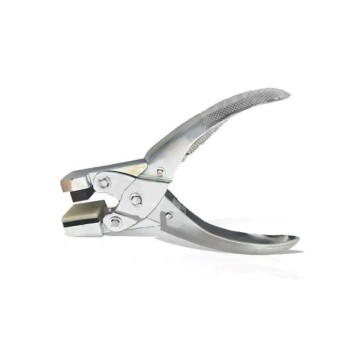
- Professional Cutting Tools for Carbon Paper Cloth Diaphragm Copper Aluminum Foil and More
People Also Ask
- How do you prepare the polishing setup for an electrode? Achieve a Flawless Mirror Finish for Reliable Electrochemistry
- What is the general procedure and what precautions should be taken during the polishing process? Achieve a Flawless Electrode Finish
- What are the electrode materials? A Guide to Choosing the Right Conductor for Your Application
- What are the examples of electrode materials? From Platinum to Graphite for Your Application
- How is a polished electrode tested for quality? Validate Performance with Cyclic Voltammetry