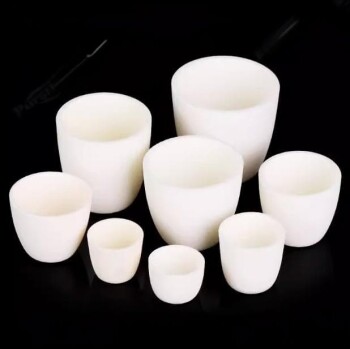
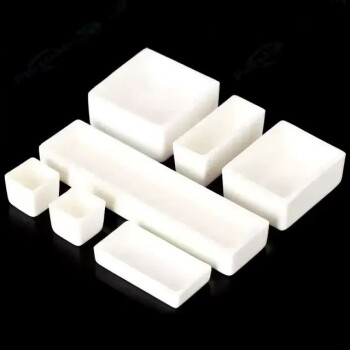
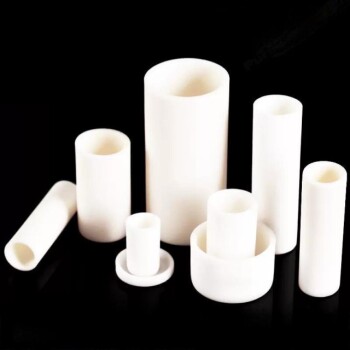
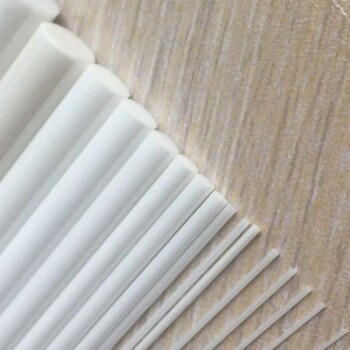
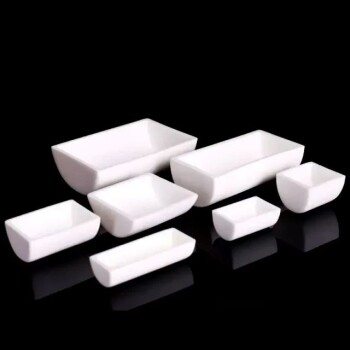
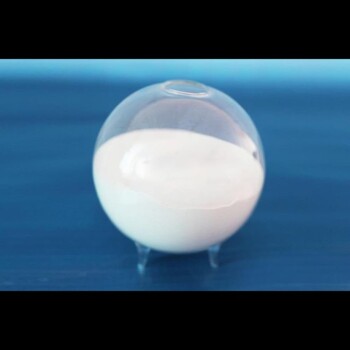
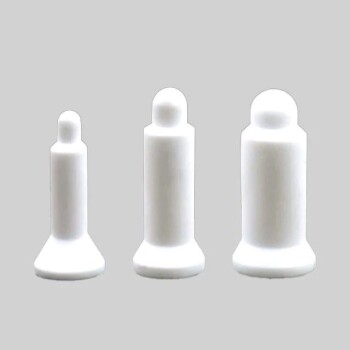
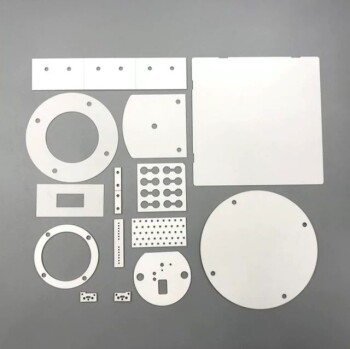
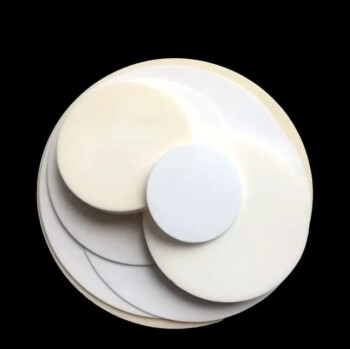
High-alumina refractories are characterized by exceptional mechanical strength and chemical stability at elevated temperatures. Based on aluminum oxide (Al2O3) formulations, these materials are designed to withstand extreme heat while maintaining structural integrity. They are the definitive choice for applications requiring rigorous wear resistance and electrical insulation.
Ideally suited for steady-state environments up to 1800°C, high-alumina ceramics offer superior compression strength and inertness but require careful handling regarding temperature fluctuations.
Thermal and Chemical Resilience
Extreme Temperature Stability
High-alumina ceramics are engineered to function effectively in environments up to 1800°C.
They maintain their properties even under challenging atmospheric conditions. This includes reducing, inert, and high-vacuum environments.
Chemical Inertness
A defining feature of alumina is its exceptional inertness. It exhibits strong chemical corrosion resistance at high temperatures.
This property is critical for maintaining a protective atmosphere or high vacuum. It prevents contamination or impurities from leaching into the process.
However, there is a specific chemical vulnerability you must note. Alumina is generally inert except when exposed to fluorine.
Mechanical and Electrical Performance
High Compression Strength
Unlike many materials that soften under heat, high-alumina formulations retain great compression strength at high temperatures.
This makes them suitable for structural components within a furnace or reactor assembly.
Wear and Abrasion Resistance
These refractories exhibit extreme resistance to wear and abrasion.
They are ideal for high-friction environments where physical degradation would otherwise compromise the system's longevity.
Dielectric Capability
Alumina is not just a thermal barrier; it is an electrical one.
These materials possess high dielectric properties, making them effective electrical insulators even under extreme thermal stress.
Understanding the Trade-offs
While high-alumina refractories are superior in stability and strength, they are not universally applicable. You must consider their primary limitation.
The Vulnerability to Thermal Shock
The major weakness of pure alumina is poor thermal-shock resistance.
Because the material is rigid and dense, it cannot easily accommodate rapid expansion or contraction. Sudden changes in temperature can cause cracking or catastrophic failure.
Making the Right Choice for Your Application
To ensure the success of your high-temperature project, align the material properties with your specific operational goals.
- If your primary focus is Structural Integrity: Leverage high-alumina for its superior compression strength and wear resistance to ensure longevity under load.
- If your primary focus is Purity: Utilize these refractories in vacuum or protective atmospheres to prevent system contamination, provided fluorine is not present.
- If your primary focus is Rapid Cycling: Exercise extreme caution, as the poor thermal-shock resistance of pure alumina makes it unsuitable for applications with fast temperature swings.
Select high-alumina refractories when your priority is unwavering stability in a steady, high-heat environment.
Summary Table:
| Property | Description | Benefit |
|---|---|---|
| Temperature Limit | Up to 1800°C | Ideal for extreme heat environments |
| Chemical Inertness | Resistant to corrosion (except Fluorine) | Prevents contamination in high vacuum |
| Mechanical Strength | High compression & wear resistance | Long-lasting structural integrity |
| Electrical Property | High dielectric strength | Effective insulation under thermal stress |
| Thermal Sensitivity | Low thermal-shock resistance | Requires steady-state temperature control |
Optimize Your High-Temperature Processes with KINTEK
Precision matters in extreme environments. KINTEK specializes in advanced laboratory equipment and consumables, offering a premium range of high-alumina ceramics, crucibles, and furnace components designed for unwavering stability. Whether you are operating high-temperature furnaces, CVD systems, or high-pressure reactors, our expert-grade materials ensure purity and durability for your most demanding research.
Don't let material failure compromise your results. Contact us today to find the perfect refractory solutions for your lab!
Related Products
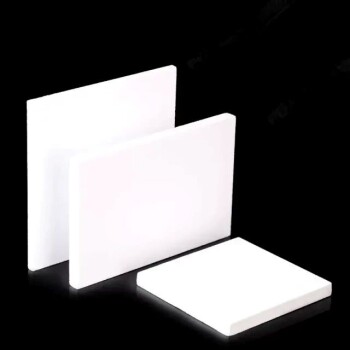
- High Temperature Wear-Resistant Alumina Al2O3 Plate for Engineering Advanced Fine Ceramics
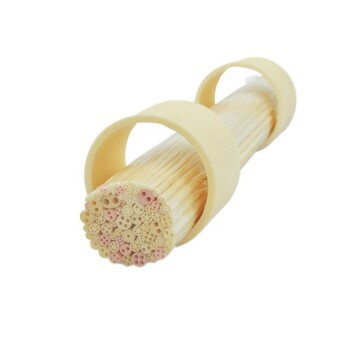
- High Temperature Aluminum Oxide (Al2O3) Protective Tube for Engineering Advanced Fine Ceramics
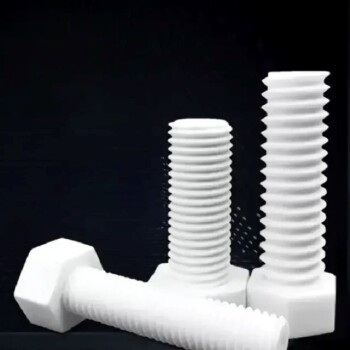
- High Quality Alumina Ceramic Screw for Engineering Advanced Fine Ceramics with High Temperature Resistance and Insulation
- High Temperature Alumina (Al2O3) Furnace Tube for Engineering Advanced Fine Ceramics
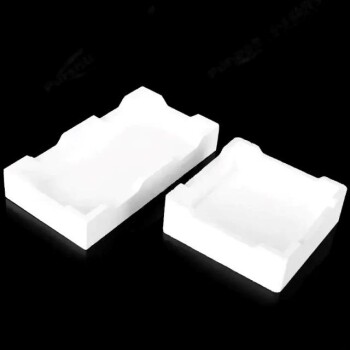
- Advanced Engineering Fine Ceramics Alumina Ceramic Saggar for Fine Corundum
People Also Ask
- What are the process advantages of selecting an alumina plate for CuO nanofilm synthesis? Achieve Superior Purity
- What function do alumina ceramic plates serve as supports in the preparation of molecular sieve membranes?
- How is alumina ceramic made? A Guide to Manufacturing Methods and Material Properties
- Why use high-purity alumina plates for sintering porous stainless steel? Ensure Purity & Precision
- What is the function of alumina setter plates for LATP? Protect Material Purity & Prevent Adhesion