0.45 μm PTFE syringe filters are a critical preparatory step because they simultaneously protect sensitive analytical instruments from physical damage and preserve the chemical integrity of the sample. By removing suspended solids and flocculated particles, these filters prevent mechanical blockages while the inert PTFE material ensures the estrogenic compounds are neither absorbed by the filter nor contaminated by leached chemicals.
Core Takeaway The selection of 0.45 μm PTFE filters is driven by two non-negotiable requirements: preventing suspended solids from clogging precision LC-MS tubing and ensuring that the filter media itself does not skew analytical data through analyte absorption or organic leaching.
Protecting High-Precision Instrumentation
Preventing Hardware Failure in LC-MS
Liquid Chromatography-Mass Spectrometry (LC-MS) instruments rely on extremely fine, precision tubing to transport samples.
Suspended solids and flocculated particles present in water samples pose a significant risk to this hardware.
Using a 0.45 μm filter physically removes these impurities, preventing them from clogging the tubing and causing expensive instrument downtime.
Maintaining TOC Analyzer Performance
Total Organic Carbon (TOC) analyzers are equally sensitive to particulate matter.
Impurities that are not filtered out can interfere with the analyzer's operation, leading to erratic or inaccurate readings.
Filtration ensures that the sample introduced to the TOC analyzer is free of physical interferences.
Preserving Sample Chemistry with PTFE
Preventing Analyte Loss (Adsorption)
When measuring removal rates, accurate quantification of the target compound is essential.
Some filter materials can interact with the sample, "holding onto" (absorbing) the analytes you are trying to measure.
PTFE is selected specifically because it does not absorb analytes, ensuring that the estrogenic compounds remain in the filtrate for accurate analysis.
Eliminating Background Contamination (Leaching)
An unsuitable filter material can release (leach) organic contaminants into the water sample during filtration.
This leaching adds external organic carbon to the sample, which would skew analytical data and falsify removal rate calculations.
PTFE provides excellent chemical compatibility, ensuring no organic contaminants are released into the sample.
Common Pitfalls in Filter Selection
The Risk of Material Incompatibility
Choosing a filter material other than PTFE introduces the risk of chemical interaction.
If a filter absorbs even a small fraction of the estrogenic compounds, your analysis will falsely indicate a higher removal rate than what actually occurred.
The Consequence of Inadequate Pore Size
Opting for a pore size larger than 0.45 μm may allow smaller particulates to pass through.
While this might speed up the filtration process, it compromises the protection of the LC-MS tubing.
The trade-off for protecting your equipment is the strict adherence to the 0.45 μm specification.
Ensuring Reliability in Your Analysis
To ensure your study on estrogenic compound removal is both accurate and safe for your equipment, apply these guidelines:
- If your primary focus is Equipment Longevity: Prioritize the 0.45 μm pore size to rigorously remove suspended solids that threaten LC-MS tubing and TOC analyzers.
- If your primary focus is Data Integrity: Rely on PTFE material to eliminate the variables of analyte absorption or organic leaching that could invalidate your removal rate calculations.
By standardizing on 0.45 μm PTFE filters, you successfully isolate the target analytes without compromising the physical mechanics of your instruments or the chemical truth of your data.
Summary Table:
| Feature | Benefit for Estrogen Analysis | Impact on Analytical Outcomes |
|---|---|---|
| 0.45 μm Pore Size | Removes suspended solids and flocculated particles | Prevents LC-MS tubing clogs and TOC analyzer failure |
| PTFE Material | High chemical inertness and low extractables | Eliminates analyte loss (adsorption) and sample leaching |
| Durability | Resistant to various solvents and high temperatures | Ensures consistent filtration performance across samples |
Elevate Your Analytical Precision with KINTEK
Don't let sample contamination or hardware failure compromise your research. KINTEK provides high-performance laboratory solutions designed for the most demanding applications. Whether you are analyzing estrogenic compounds or conducting advanced material research, our comprehensive range of PTFE products, consumables, and high-precision laboratory equipment—including high-temperature furnaces, hydraulic presses, and cooling solutions—ensures your lab operates at peak efficiency.
Ready to optimize your filtration and analysis workflow? Contact our technical experts today to find the perfect consumables and equipment for your target applications.
References
- Emily K. Maher, Patrick J. McNamara. Removal of Estrogenic Compounds from Water Via Energy Efficient Sequential Electrocoagulation-Electrooxidation. DOI: 10.1089/ees.2019.0335
This article is also based on technical information from Kintek Solution Knowledge Base .
Related Products
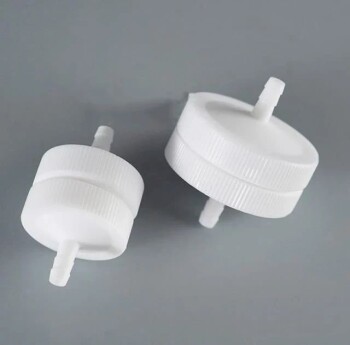
- Custom PTFE Teflon Parts Manufacturer for Sampling Filters
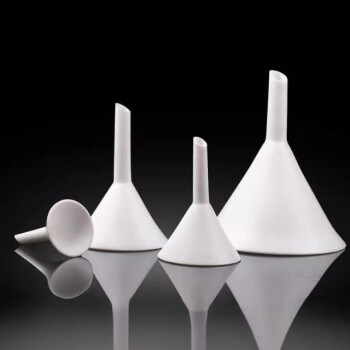
- Custom PTFE Teflon Parts Manufacturer for PTFE Buchner Funnel and Triangular Funnel
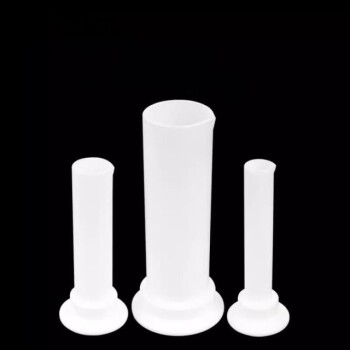
- Custom PTFE Teflon Parts Manufacturer for PTFE Measuring Cylinder 10/50/100ml
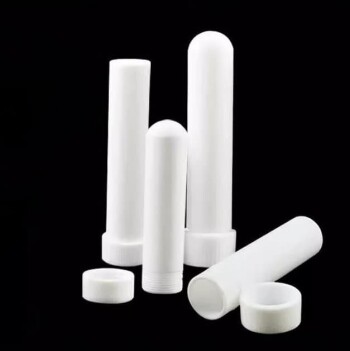
- Custom PTFE Teflon Parts Manufacturer for Centrifuge Tubes
People Also Ask
- What are the advantages of using PTFE filters for ionic component analysis? Ensure Accurate Sample Quantification
- Why are PTFE membrane filters selected for rice husk fractionation? Ensuring Purity in Harsh Separation Stages
- Is PTFE corrosion resistant? Discover the Ultimate Chemical Resistance for Your Lab
- What are the specific applications of PTFE in micro-batch slug flow systems? Enhance Your Microfluidic Reaction Purity
- How is PTFE utilized for insulation in Alloy 22 corrosion setups? Ensure Signal Purity & Accuracy