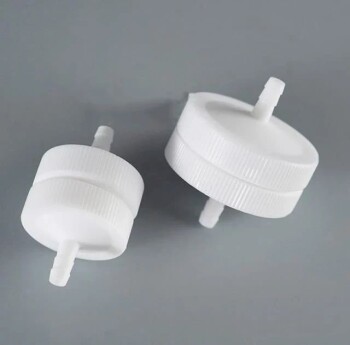
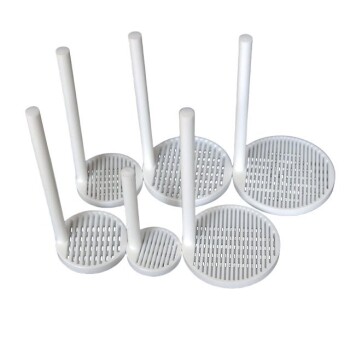
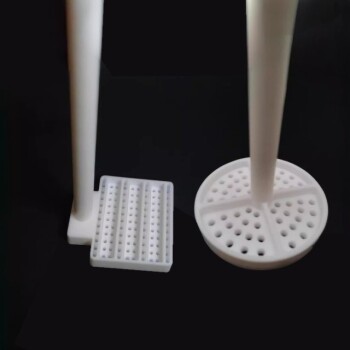
The primary purpose of using PTFE syringe filters during photocatalytic sampling is the rigorous removal of suspended photocatalyst particles from reaction liquids. Typically utilizing a 0.45-micron pore size, these filters leverage the superior chemical compatibility of PTFE to ensure that only clear, particle-free filtrate enters analytical instruments. This process is fundamental to protecting sensitive equipment like spectrophotometers and obtaining precise data on pollutant concentration degradation.
Accurate photocatalytic analysis requires physically separating the catalyst from the reaction medium. PTFE filters serve as a chemically inert barrier that eliminates particulate interference, ensuring that your data reflects true chemical changes rather than optical noise from suspended solids.
The Critical Role of Filtration in Data Integrity
Removing Suspended Particulates
Photocatalytic reactions rely on catalysts that are often suspended as fine powders within the liquid. If these particles are not removed during sampling, they will scatter light and interfere with optical measurements.
Ensuring Accurate Absorbance Readings
Analytical instruments, particularly spectrophotometers, require clear liquid to measure light absorbance accurately. PTFE filters remove the turbidity caused by the catalyst. This ensures that the degradation data collected reflects the pollutant concentration, not the density of the catalyst.
Protecting Analytical Instruments
Injecting samples containing solid particulates can be disastrous for high-precision lab equipment. Suspended solids can clog injection ports, columns, and delicate flow paths. Filtration acts as a safety gate, extending the lifespan of your instrumentation.
Why PTFE is the Material of Choice
Superior Chemical Compatibility
The primary reference highlights PTFE (polytetrafluoroethylene) for its exceptional resistance to chemical attack. Unlike other filter materials that might dissolve or degrade in harsh solvents, acids, or bases, PTFE remains inert.
Preventing Sample Contamination
Because PTFE does not react with most solvents, it ensures the integrity of the filtrate. The filter material itself does not leach impurities into the sample, which guarantees that the chemical composition being analyzed is authentic.
Microporous Retention Capabilities
The standard 0.45-micron pore size is specifically chosen to trap the majority of photocatalyst particles. This retention capability is balanced to allow liquid to pass through freely while capturing the solid phase effectively.
Understanding the Trade-offs
Pore Size Limitations
While 0.45 micron is the industry standard mentioned, it may not be sufficient for all applications. If you are utilizing ultrafine nano-catalysts significantly smaller than 0.45 microns, particles may still pass through, requiring a finer mesh (e.g., 0.22 micron).
Hydrophobicity Considerations
Standard PTFE is naturally hydrophobic (water-repelling). While perfect for organic solvents, it can generate significant back-pressure when filtering aqueous solutions unless a hydrophilic variant is selected or the filter is pre-wetted.
Making the Right Choice for Your Goal
To maximize the reliability of your photocatalytic data, match your filtration strategy to your specific experimental needs.
- If your primary focus is Data Accuracy: Ensure your filter pore size is smaller than your catalyst particle size to prevent light scattering during spectrophotometry.
- If your primary focus is Instrument Longevity: Use chemically compatible PTFE to prevent filter degradation that could introduce new contaminants or solids into your equipment.
By standardizing your sampling process with PTFE filtration, you ensure that your results measure the reaction's efficiency, not the interference of the catalyst.
Summary Table:
| Feature | Specification/Benefit | Importance in Photocatalysis |
|---|---|---|
| Material | PTFE (Polytetrafluoroethylene) | Exceptional chemical inertness; prevents sample contamination |
| Standard Pore Size | 0.45 Micron | Effectively traps catalyst particulates while allowing liquid flow |
| Optical Integrity | Turbidity Removal | Eliminates light scattering for accurate spectrophotometer data |
| Equipment Safety | Particle Exclusion | Prevents clogging of injection ports and analytical columns |
| Compatibility | Universal Resistance | Suitable for harsh solvents, acids, and bases without leaching |
Elevate Your Research Precision with KINTEK
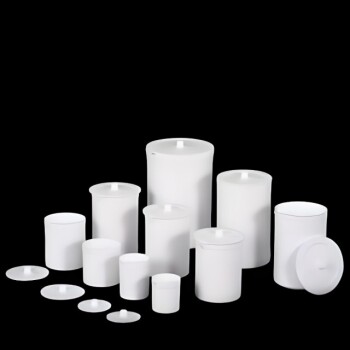
Don't let catalyst interference compromise your data integrity. KINTEK specializes in high-performance laboratory consumables and equipment, including premium PTFE filters, ceramics, and crucibles designed for the most demanding photocatalytic and high-temperature applications. Whether you are utilizing our high-temperature reactors or conducting delicate battery research, our solutions ensure your results are consistent and accurate.
Ready to optimize your sampling process? Contact KINTEK today to discover our full range of lab essentials and specialist equipment—from hydraulic presses to cooling solutions—tailored to your laboratory's success.
References
- Sulakshana Shenoy, Keiko Sasaki. Mixed-Phase Fe2O3 Derived from Natural Hematite Ores/C3N4 Z-Scheme Photocatalyst for Ofloxacin Removal. DOI: 10.3390/catal13050792
This article is also based on technical information from Kintek Solution Knowledge Base .
Related Products
- Custom PTFE Teflon Parts Manufacturer for Sampling Filters
- Custom PTFE Teflon Parts Manufacturer for PTFE Buchner Funnel and Triangular Funnel
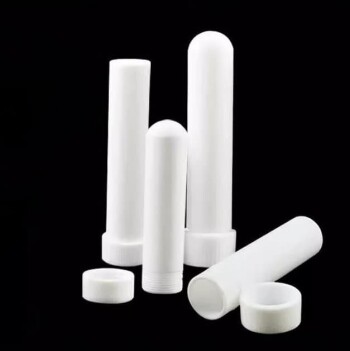
- Custom PTFE Teflon Parts Manufacturer for Centrifuge Tubes
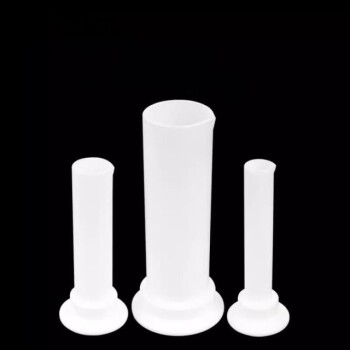
- Custom PTFE Teflon Parts Manufacturer for PTFE Measuring Cylinder 10/50/100ml
- Custom PTFE Teflon Parts Manufacturer for PTFE Stirring Bar Recovery Rod
People Also Ask
- What are the advantages of using PTFE filters for ionic component analysis? Ensure Accurate Sample Quantification
- Why are PTFE membrane filters selected for rice husk fractionation? Ensuring Purity in Harsh Separation Stages
- Is PTFE corrosion resistant? Discover the Ultimate Chemical Resistance for Your Lab
- What are the specific applications of PTFE in micro-batch slug flow systems? Enhance Your Microfluidic Reaction Purity
- How is PTFE utilized for insulation in Alloy 22 corrosion setups? Ensure Signal Purity & Accuracy