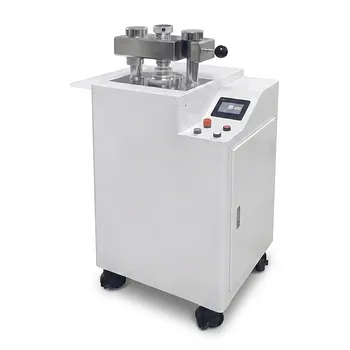
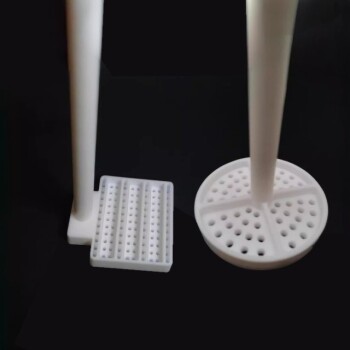
Liners are essential for eliminating unintended catalytic noise. Glass or polytetrafluoroethylene (PTFE) liners are used in stainless steel autoclaves to isolate the reaction mixture from the reactor’s internal metal surfaces. This ensures that the observed hydrogenation activity is derived exclusively from the added nickel-based nanocatalyst rather than the reactor walls themselves.
Liners serve as a critical chemical and physical barrier that prevents "non-specific catalytic interference" from the autoclave’s stainless steel shell. This isolation is vital for maintaining the scientific integrity of experimental data and protecting the equipment from corrosive degradation.
Eliminating Non-Specific Catalytic Interference
Neutralizing the Reactor Wall
Stainless steel is an alloy that contains active metals like iron, chromium, and nickel. At high temperatures and pressures, these metal surfaces can act as unintended heterogeneous catalysts, facilitating hydrogenation reactions independently of your experimental catalyst.
Ensuring Scientific Accuracy
By using an inert glass or PTFE liner, researchers ensure that all recorded chemical transformations are the result of the specific nickel-based nanocatalyst being tested. This isolation is fundamental for establishing rigorous, repeatable experimental data and avoiding "false positive" results in catalyst efficiency.
Maintaining a Controlled Environment
The liner provides a consistent baseline for every experiment. Without it, the "catalytic history" of the reactor wall—such as residues or microscopic pitting—could introduce uncontrollable variables into the reaction kinetics.
Preventing Contamination and Corrosion
Blocking Metal Ion Leaching
At high temperatures, corrosive reagents can cause metal ions to leach from the stainless steel wall into the reaction solution. These impurities can poison the nickel catalyst or alter the axial coordination environment of the molecules being synthesized, leading to inaccurate evaluations of active sites.
Protecting Structural Integrity
The high-pressure autoclave shell provides the mechanical strength needed to withstand internal pressure, but it is often vulnerable to strong acids, alkalis, or organic solvents. PTFE liners offer exceptional chemical inertness, shielding the metal from corrosion and extending the lifespan of the expensive autoclave hardware.
Enhancing Product Purity
For applications involving carbon nanomaterials or flower-like hydroxides, maintaining high purity is critical for electrochemical performance. The liner prevents the infiltration of iron or chromium ions, ensuring the structural integrity and chemical purity of the final synthesized product.
Understanding the Trade-offs
Temperature and Pressure Limits
While PTFE is highly inert, it has a lower thermal threshold than stainless steel, typically limited to 200°C–250°C. Exceeding these temperatures can cause the liner to soften or deform, potentially compromising the seal of the autoclave.
Material Vulnerabilities
Glass liners provide excellent visibility and resistance to high temperatures but are highly susceptible to thermal shock and physical breakage. Furthermore, glass is unsuitable for reactions involving fluoride ions, which aggressively attack silica-based materials; in these cases, PTFE is the only viable option.
Heat Transfer Efficiency
Both glass and PTFE are thermal insulators compared to stainless steel. This can lead to a lag in heating times and potential temperature gradients within the reaction mixture, requiring careful calibration of the internal temperature versus the external heater settings.
Choosing the Right Liner for Your Goal
When selecting a liner for nickel-catalyzed hydrogenation or hydrothermal synthesis, consider your specific chemical environment and thermal requirements.
- If your primary focus is high-temperature stability (above 250°C): Utilize a glass liner or a specialized metallic alloy, provided the reagents do not contain fluoride or strong bases that attack silica.
- If your primary focus is maximum chemical inertness and corrosion resistance: Choose a PTFE liner, as it resists almost all chemical reagents, including strong acids and fluoride ions, at temperatures up to 200°C.
- If your primary focus is the purity of nanomaterial synthesis: Ensure a PTFE liner is used to prevent the leaching of iron or chromium ions from the stainless steel walls into your precursor solution.
The correct use of a liner transforms a standard pressure vessel into a precise scientific instrument by isolating the chemical reaction from the mechanical container.
Summary Table:
| Feature | Glass Liners | PTFE (Teflon) Liners |
|---|---|---|
| Primary Function | High-temp stability & visibility | Maximum chemical inertness |
| Temperature Limit | Typically up to 500°C+ | Usually 200°C – 250°C |
| Chemical Resistance | Resistant to acids (except HF) | Resists almost all chemicals |
| Interference Prevention | Blocks metal ion leaching | Blocks metal ion leaching |
| Key Weakness | Fragile; susceptible to thermal shock | Low thermal threshold; deforms if overheated |
Elevate Your Research Precision with KINTEK
Ensure the integrity of your experimental data with KINTEK’s premium laboratory solutions. We specialize in high-performance high-temperature high-pressure reactors and autoclaves designed specifically to eliminate "catalytic noise" and prevent cross-contamination.
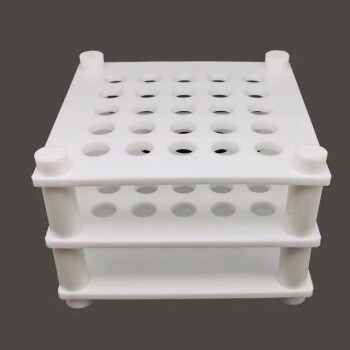
Whether you are performing nickel-catalyzed hydrogenation or synthesizing advanced nanomaterials, our comprehensive range of PTFE liners, ceramics, and crucibles provides the chemical and physical barrier your work demands. KINTEK helps you protect your equipment from corrosion while guaranteeing the purity of your final synthesized products.
Ready to optimize your hydrothermal synthesis? Contact our technical specialists today to find the perfect reactor configuration for your lab!
References
- Yue Hu, Rajenahally V. Jagadeesh. A general and robust Ni-based nanocatalyst for selective hydrogenation reactions at low temperature and pressure. DOI: 10.1126/sciadv.adj8225
This article is also based on technical information from Kintek Solution Knowledge Base .
Related Products
- Stainless High Pressure Autoclave Reactor Laboratory Pressure Reactor
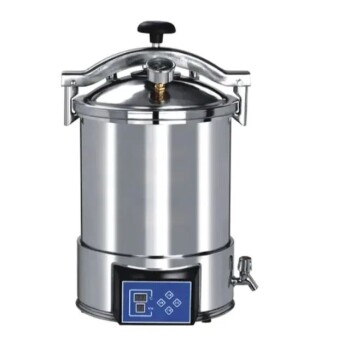
- Desktop Fast High Pressure Laboratory Autoclave Sterilizer 16L 24L for Lab Use
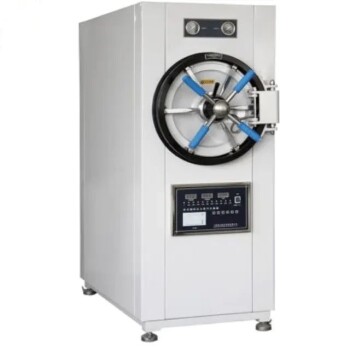
- Laboratory High Pressure Horizontal Autoclave Steam Sterilizer for Lab Use
- Portable High Pressure Laboratory Autoclave Steam Sterilizer for Lab Use
- High Pressure Laboratory Autoclave Reactor for Hydrothermal Synthesis
People Also Ask
- Why is a laboratory high-pressure reactor used in the hydrothermal synthesis of hydroxyapatite catalysts?
- What role does a laboratory high-pressure reactor play in the leaching process of spent cathode materials? Optimize Recovery
- Why is a laboratory high-pressure reactor necessary for synthesizing fly ash-based zeolite? Achieve Pure Crystallization
- What conditions do laboratory high-pressure reactors provide for HTC? Optimize Your Biochar Production Processes
- What is the function of a high-pressure reactor autoclave? Enhancing Cu/N Co-Doped Carbon Catalyst Synthesis