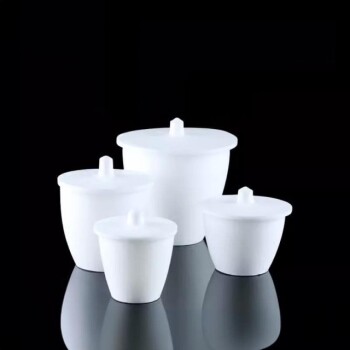
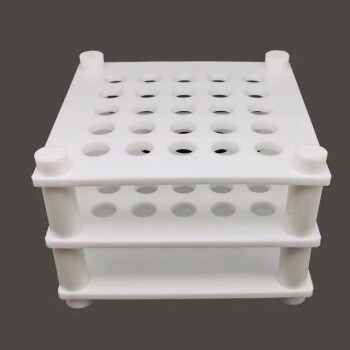
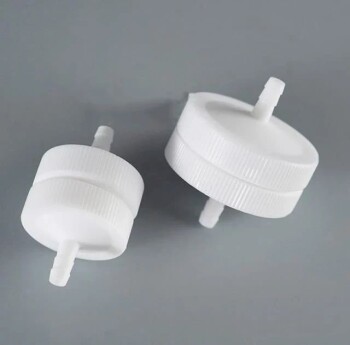
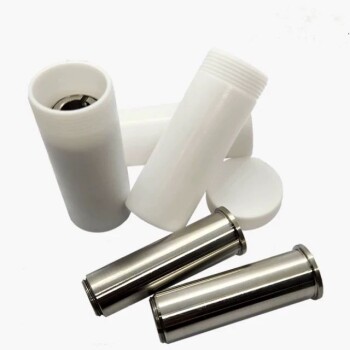
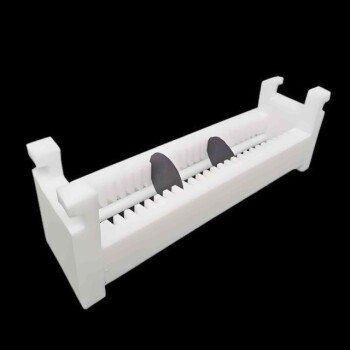
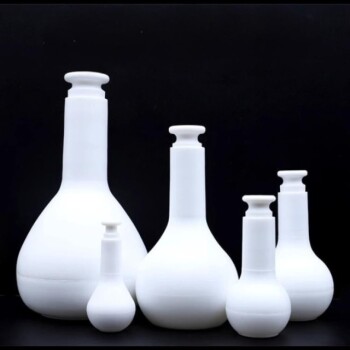
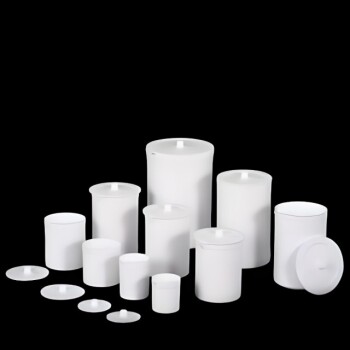
High-purity PTFE (Polytetrafluoroethylene) and PFA (Perfluoroalkoxy) digestion vessels are mandatory for nuclear fuel analysis because they possess unique chemical stability against aggressive reagents and ultra-low background levels for impurities. Unlike glass or standard plastics, these vessels can withstand the concentrated nitric acid and hydrofluoric acid (HF) required to dissolve silicon-based coatings without degrading or leaching contaminants into the sample.
Reliability in nuclear fuel analysis hinges on two factors: the vessel must survive the harsh acids needed to fully dissolve the sample, and it must be pure enough to ensure that detected impurities come from the fuel, not the container.
The Necessity of Chemical Stability
Withstanding Aggressive Acid Cocktails
Digesting nuclear fuel materials is a violent chemical process. It requires the use of highly corrosive reagents, most notably concentrated nitric acid.
High-purity PTFE and PFA are among the few materials that remain inert in the presence of these oxidizers. They do not degrade, crack, or react, ensuring the vessel maintains its structural integrity throughout the digestion cycle.
The Hydrofluoric Acid (HF) Requirement
Many nuclear fuel samples involve silicon-based coatings or organic silicone oils. To digest these specific components effectively, laboratories must use hydrofluoric acid (HF).
Standard laboratory glass is composed of silica, which HF dissolves immediately. Therefore, PTFE or PFA vessels are not just a preference but a physical requirement when HF is present, as they are immune to its corrosive effects.
Ensuring Analytical Accuracy
Preventing External Contamination
In nuclear forensics and fuel quality control, analysts often look for impurities at the ultra-trace level (parts per billion or lower).
Standard vessels often contain trace amounts of metals that can leach out when exposed to acids and heat. High-purity PTFE and PFA have extremely low trace metal background levels, effectively eliminating this source of error.
Protecting the "Blank"
The reliability of an analysis is defined by the "blank"—a test run without a sample to check for system contamination.
Because high-purity fluoropolymers prevent external contamination, they ensure the blank remains clean. This guarantees that any impurities detected in the final readout are actually present in the nuclear material, securing the validity of the data.
Understanding the Trade-offs
Cost Considerations
High-purity PTFE and PFA vessels are significantly more expensive to manufacture than standard polyethylene or glass containers. This cost is a necessary investment for accuracy but impacts the overall operational budget of the laboratory.
Mechanical Durability vs. Purity
While chemically robust, these materials are softer than quartz or ceramic. Care must be taken during handling to avoid physical scratches, which—while they may not chemically contaminate the sample—can create difficult-to-clean surface irregularities over time.
Making the Right Choice for Your Goal
To ensure the success of your digestion protocol, align your vessel choice with your specific analytical objectives:
- If your primary focus is dissolving complex matrices: Choose PFA or PTFE to safely utilize hydrofluoric acid (HF) for breaking down silicon-based coatings and silicone oils.
- If your primary focus is ultra-trace impurity analysis: Rely on high-purity versions of these vessels to minimize background noise and prevent false positives caused by leaching.
By selecting the correct vessel material, you transform the digestion vessel from a potential variable into a reliable constant.
Summary Table:
| Feature | PTFE/PFA Digestion Vessels | Standard Glassware |
|---|---|---|
| Chemical Resistance | Excellent (Inert to concentrated HNO3 & HF) | Poor (Dissolves in HF) |
| Trace Metal Purity | Ultra-low (PPB/PPT level) | High risk of leaching |
| Temperature Stability | High (Up to 260°C) | High, but prone to thermal shock |
| Ideal Application | Nuclear forensics, trace analysis, HF digestion | Basic aqueous solutions |
Precision Equipment for Critical Nuclear Analysis
Ensure the integrity of your trace analysis with high-performance laboratory solutions from KINTEK. We specialize in providing researchers and technicians with the high-purity tools necessary for handling aggressive reagents and sensitive samples.
Whether you require high-purity PTFE and ceramic crucibles, advanced crushing and milling systems, or specialized high-temperature furnaces, KINTEK delivers the reliability your lab demands. Our products are designed to eliminate contamination and withstand the harshest environments, from nuclear fuel digestion to advanced material synthesis.
Ready to elevate your analytical accuracy? Contact our laboratory specialists today to find the perfect fit for your specific digestion protocols and equipment needs.
References
- Ewelina Chajduk, Paweł Kalbarczyk. Critical comparison of INAA and ICP-MS applied in the characterization of purity of TRISO fuel and substrates to its production. DOI: 10.2478/nuka-2021-0018
This article is also based on technical information from Kintek Solution Knowledge Base .
Related Products
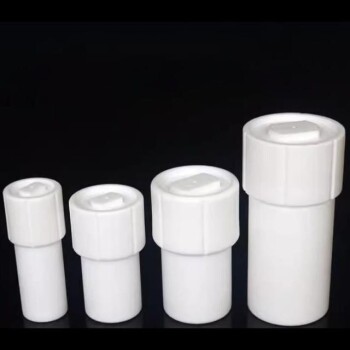
- Custom PTFE Teflon Parts Manufacturer for Microwave Digestion Tank
- High Purity Pure Graphite Crucible for Evaporation
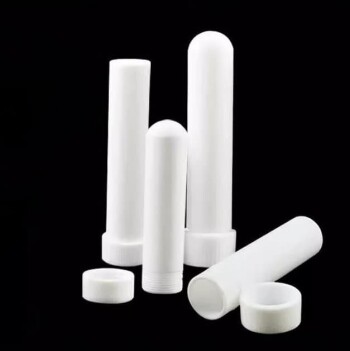
- Custom PTFE Teflon Parts Manufacturer for Centrifuge Tubes
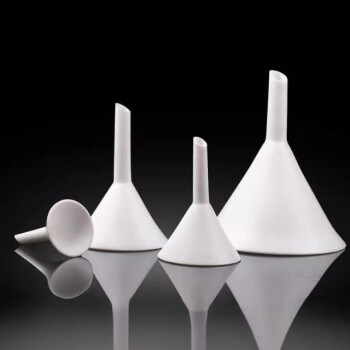
- Custom PTFE Teflon Parts Manufacturer for PTFE Buchner Funnel and Triangular Funnel
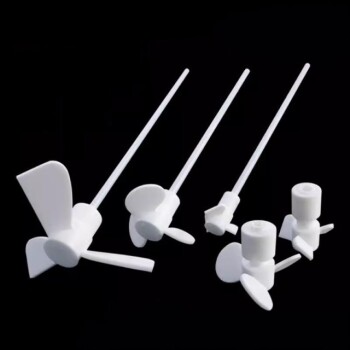
- Custom PTFE Teflon Parts Manufacturer Laboratory High Temperature Mixing Paddle Mixer
People Also Ask
- Why are PTFE containers required for PCT leaching tests? Ensure Chemical Inertness and Analytical Precision
- Why use high-quality PTFE containers for CO2 reduction electrolytes? Eliminate silicon contamination and ensure data.
- Why is PTFE Mandatory for Hydrofluoric Acid (HF) Handling? Ensure Safety and Data Integrity in Corrosion Testing
- Why is a PTFE container required for acid leaching of silicon nanosheets? Ensure High Purity and Safety
- Why are polytetrafluoroethylene (PTFE) containers essential for assessing the corrosion resistance of glassified waste?