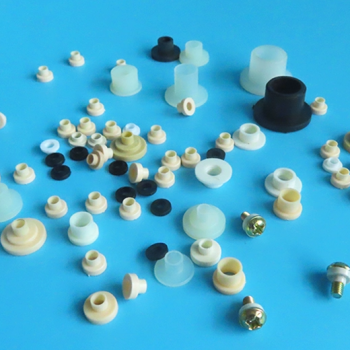
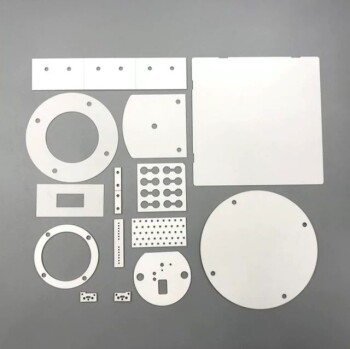
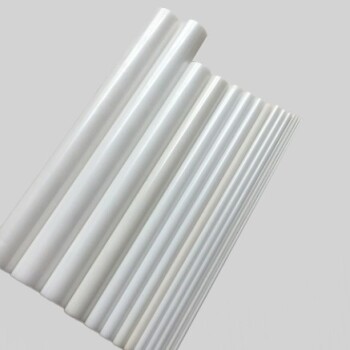
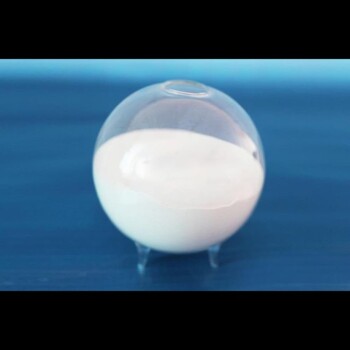
High-purity zirconia sleeves and washers are strictly required to achieve complete electrical isolation between your stressed specimen and the testing apparatus. In complex corrosion experiments, they act as a non-conductive barrier that prevents the specimen from electrically contacting loading pins, pull rods, or the autoclave frame, thereby eliminating the risk of galvanic interference.
In stress corrosion testing, physical contact between dissimilar metals creates a "battery effect" that distorts electrochemical data. Zirconia components are the standard solution because they combine high dielectric strength with the mechanical durability needed to survive high-temperature, high-pressure environments.
The Critical Role of Electrical Isolation
Preventing Galvanic Coupling
When a test specimen (such as FeCrAl) comes into direct contact with the metal loading train or the internal frame of an autoclave, a galvanic couple is formed. This connection creates an unintended electrical circuit between the specimen and the test rig.
Eliminating Data Distortion
If this coupling occurs, the corrosion rate and electrochemical potential you record will be a composite of the entire assembly, not just the specimen. Zirconia components break this circuit, ensuring the data represents the reactions of the specimen alone.
Why Zirconia is the Material of Choice
Surviving Extreme Environments
Standard insulators like plastics or rubber degrade rapidly in the high-temperature, high-pressure (HTHP) environments typical of stress corrosion cracking tests. Ceramic-grade zirconia is required because it remains chemically stable and corrosion-resistant under these harsh conditions.
Maintaining Mechanical Integrity
Beyond chemical resistance, the insulator must bear the mechanical load applied to the stressed specimen. Zirconia offers the necessary compressive strength to transfer load without deforming, ensuring the test conditions remain constant throughout the experiment.
Understanding the Operational Trade-offs
Brittleness and Fracture Risk
While zirconia is strong, it is a ceramic and therefore brittle compared to metal components. Misalignment in the load train can cause the sleeves or washers to crack, potentially compromising the electrical isolation mid-test.
Cost and Handling
High-purity zirconia is significantly more expensive than standard industrial ceramics. It requires careful handling during assembly to avoid micro-fractures that could lead to failure under high thermal or mechanical stress.
Making the Right Choice for Your Experiment
To ensure the validity of your corrosion data, apply the following guidelines:
- If your primary focus is electrochemical accuracy: Prioritize the use of high-purity zirconia to eliminate all galvanic noise, even if it increases the cost of the assembly.
- If your primary focus is mechanical load stability: Ensure the load train is perfectly aligned to prevent shear forces that could fracture the ceramic washers.
By isolating the variable of interest, you transform noisy environmental data into a precise measurement of material performance.
Summary Table:
| Feature | Requirement in Corrosion Testing | Why Zirconia is Used |
|---|---|---|
| Electrical Isolation | Prevents galvanic coupling & data distortion | High dielectric strength as a non-conductive barrier |
| Thermal Stability | Must survive HTHP environments | Chemically stable at high temperatures and pressures |
| Mechanical Strength | Must withstand specimen loading forces | Superior compressive strength compared to polymers |
| Chemical Resistance | Resistance to corrosive test media | Exceptional inertness in aggressive environments |
Elevate Your Corrosion Research Accuracy with KINTEK
Don't let galvanic interference compromise your experimental data. KINTEK specializes in providing high-performance laboratory solutions, from high-purity zirconia components to advanced high-temperature high-pressure reactors and autoclaves. Our expert-grade ceramics and specialized consumables, including PTFE products and crucibles, are engineered to withstand the most demanding HTHP environments.
Whether you are conducting stress corrosion cracking tests or advanced electrochemical research, KINTEK offers the precision tools—including crushing and milling systems, hydraulic presses, and battery research tools—needed for reliable material performance analysis.
Ready to optimize your lab's testing accuracy? Contact our technical specialists today to find the perfect components for your unique application!
References
- Raúl B. Rebak, Peter L. Andresen. Resistance of Ferritic FeCrAl Alloys to Stress Corrosion Cracking for Light Water Reactor Fuel Cladding Applications. DOI: 10.5006/3632
This article is also based on technical information from Kintek Solution Knowledge Base .
Related Products
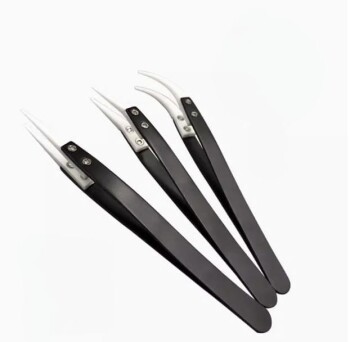
- Engineering Advanced Fine Ceramics Head Tweezers with Pointed Elbow Zirconia Ceramic Tip
- Zirconia Ceramic Gasket Insulating Engineering Advanced Fine Ceramics
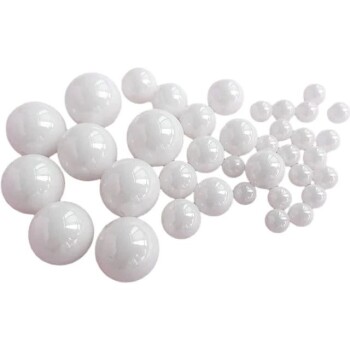
- Precision Machined Zirconia Ceramic Ball for Engineering Advanced Fine Ceramics
- Engineering Advanced Fine Ceramics Aluminium Oxide Al2O3 Ceramic Washer for Wear-Resistant Applications
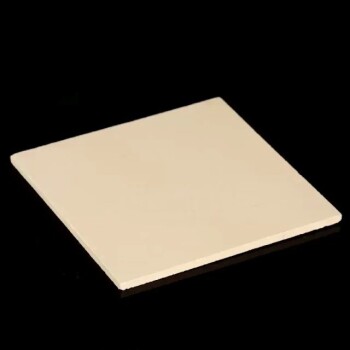
- Precision Machined Yttria Stabilized Zirconia Ceramic Plate for Engineering Advanced Fine Ceramics
People Also Ask
- What are the applications of zirconia ceramics? Unlock High-Performance Solutions for Extreme Environments
- What is a stainless steel micro spatula used for in polishing? Achieve Contamination-Free, High-Precision Finishes
- What are the failures of zirconia? Avoid Fracture and Debonding with Proper Protocol
- What is the strongest type of zirconia? A Guide to Choosing the Right Dental Zirconia
- What is the main disadvantage of zirconia? Balancing Strength, Aesthetics, and Tooth Wear