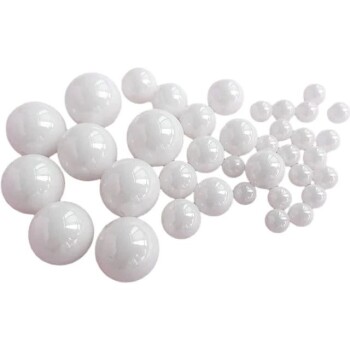
Zirconia grinding jars and grinding balls are required primarily because their exceptional hardness and chemical inertness are necessary to maintain the purity and precise chemical composition of sensitive halide electrolytes. During the aggressive, high-energy ball milling process, zirconia media prevents the introduction of metallic impurities and wear debris that would otherwise compromise the electrochemical stability and performance of materials like ZrO2-Li2ZrCl6.
Core Takeaway The synthesis of halide electrolytes is highly sensitive to contamination; even microscopic metallic traces can ruin electrochemical performance. Zirconia is the industry standard because it remains inert under high-impact conditions, ensuring the material retains its exact stoichiometric ratio and ionic conductivity.
The Critical Role of Chemical Inertness
Preventing Metallic Contamination
High-energy ball milling involves prolonged, high-speed impacts. If standard metallic grinding media (like stainless steel) were used, the process would introduce metallic impurities such as iron or chromium into the powder.
These impurities are detrimental to halide electrolytes. They can act as catalytic centers for side reactions, leading to a significant decrease in ionic conductivity and a narrowing of the material's electrochemical window.
Preserving Electrochemical Stability
Zirconia is chemically inert. It does not react with the halide precursors during the milling process.
By using zirconia, you ensure that the ZrO2-Li2ZrCl6 electrolyte maintains the high electrochemical stability required for efficient battery operation.
Maintaining Stoichiometry Through Hardness
Wear Resistance and Composition Control
Synthesis of complex electrolytes requires a precise chemical stoichiometric ratio. This means the proportion of lithium, zirconium, and chlorine must remain exactly as calculated.
Softer grinding materials wear down over time, shedding their own mass into the mixture. This "phantom" ingredient alters the chemical formula of the final product.
Enduring Long-Duration Milling
The preparation of these electrolytes often requires long milling durations (e.g., five hours or more) to achieve the necessary mechanical alloying.
Zirconia’s extreme hardness allows it to withstand this prolonged stress without degrading. This ensures the synthesized product remains pure and chemically accurate.
Understanding the Trade-offs
High Density and Kinetic Energy
Zirconia is significantly denser than many other ceramics. This high density is beneficial because it generates the high kinetic energy required to fracture particles and drive mechanochemical reactions (amorphization).
However, this density also means the jars and balls carry significant momentum.
The Brittleness Factor
While zirconia is hard, it is also brittle compared to metal.
Operators must handle these components with care. Dropping a zirconia ball or jar can result in catastrophic cracking, unlike metal components which might simply dent.
Making the Right Choice for Your Goal
To ensure the successful synthesis of ZrO2-Li2ZrCl6 or similar halide electrolytes, apply the following principles:
- If your primary focus is Electrochemical Performance: Use zirconia to eliminate metallic impurities that cause short circuits or reduce voltage windows.
- If your primary focus is Process Consistency: Rely on zirconia's wear resistance to ensure every batch maintains the exact same chemical stoichiometric ratio.
Summary: Zirconia grinding media provides the necessary barrier against contamination, ensuring your halide electrolyte performs exactly as designed.
Summary Table:
| Feature | Requirement for Halide Electrolytes | Why Zirconia is Used |
|---|---|---|
| Chemical Purity | Zero metallic contamination (Fe, Cr) | Chemically inert; no side reactions |
| Wear Resistance | Maintains exact stoichiometric ratios | Extreme hardness; minimal material shedding |
| Energy Level | High kinetic energy for amorphization | High density for effective mechanical alloying |
| Stability | Wide electrochemical window | Maintains purity for optimal ionic conductivity |
Elevate Your Battery Research with KINTEK Precision
Don't let impurities compromise your halide electrolyte performance. KINTEK specializes in high-performance laboratory equipment and consumables designed for the rigorous demands of advanced battery research. Whether you are synthesizing ZrO2-Li2ZrCl6 or other solid-state materials, our premium zirconia grinding jars and balls, high-energy crushing and milling systems, and specialized pellet presses ensure your materials remain pure and consistent.
Our Value to You:
- Unmatched Purity: Eliminate metallic contamination in your sensitive powders.
- Complete Laboratory Solutions: From high-temperature furnaces (muffle, vacuum, CVD) to ULT freezers and PTFE consumables, we provide everything your lab needs.
- Expert Support: Our team understands the nuances of battery research and material science.
Optimize your synthesis process today—Contact KINTEK for a Quote!
Related Products
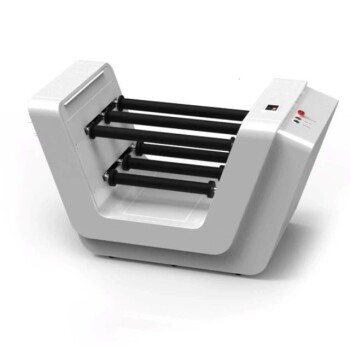
- Laboratory Jar Ball Mill with Alumina Zirconia Grinding Jar and Balls
- Precision Machined Zirconia Ceramic Ball for Engineering Advanced Fine Ceramics
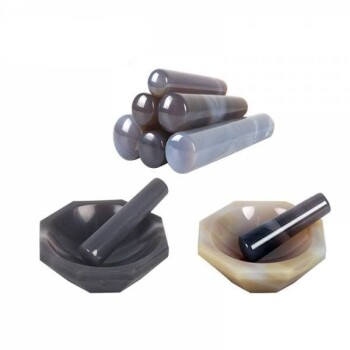
- Laboratory Jar Mill with Agate Grinding Jar and Balls
- Laboratory Ball Mill Jar Mill with Metal Alloy Grinding Jar and Balls
- Engineering Advanced Fine Ceramics Head Tweezers with Pointed Elbow Zirconia Ceramic Tip
People Also Ask
- What are the primary functions of using a ball mill for BZCY72 powder? Achieve High Purity and Enhanced Sintering
- In what way does a laboratory ball mill affect material properties when modifying PHBV/pulp fiber composites?
- Why is a laboratory ball mill required for ultra-fine fly ash? Unlock Nano-Scale Adsorption Power
- What is the function of a laboratory ball mill in the preparation of AMMCs? Optimize Dispersion & Grain Refinement
- What is the function of a laboratory ball mill in the pretreatment of waste tire char (WTC)? Optimize Material Reactivity