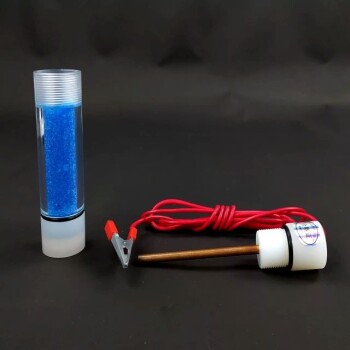
A double-junction pH electrode is recommended for indium electrolytes to physically isolate the sensor’s internal reference system from the harsh chemical environment of the bath. Because indium electrolytes typically contain high metal ion concentrations and strong acidity, standard electrodes are prone to chemical reactions that cause silver chloride precipitation. This precipitation clogs the porous junction, leading to measurement drift and sensor failure, whereas a double-junction design prevents these ions from interacting, ensuring consistent monitoring of hydrolysis stability and hydrogen evolution.
Standard sensors cannot withstand the high metal ion concentration found in indium electrolytes. A double-junction electrode provides a critical chemical barrier that prevents clogging and precipitation, ensuring the long-term accuracy necessary for stable electrolysis.
The Chemistry of Sensor Failure
The Vulnerability of Single Junctions
Standard pH electrodes typically use a reference system based on silver and silver chloride (Ag/AgCl). In a single-junction design, the electrolyte inside the probe is in direct contact with your process liquid through a porous ceramic junction.
The Reaction with Indium and Chlorides
Indium electrolytes are chemically aggressive, featuring high concentrations of indium ions and chlorides. When these ions migrate through the junction of a standard electrode, they react with the silver ions inside the reference chamber.
Precipitation and Clogging
This chemical reaction results in the formation of insoluble precipitates, such as silver chloride or complex metal salts. These solids physically block the porous junction, cutting off the electrical continuity required for a reading.
The Result: Signal Drift
Once the junction begins to clog, the electrical potential changes. This manifests as "drift"—the pH reading slowly changes even if the solution is stable, leading to false data and incorrect process adjustments.
How the Double-Junction Design Solves It
Creating a Buffer Zone
A double-junction electrode incorporates a second, external chamber that surrounds the inner reference system. This external compartment is filled with an electrolyte that does not contain silver ions.
Preventing Cross-Contamination
This "middle" chamber acts as a chemical firewall. The indium and chloride ions from your bath interact with the outer junction, but they never reach the sensitive silver-chloride wire in the inner chamber.
Maintaining Critical Process Control
By preventing contamination, the electrode remains stable over long durations. This stability is required to accurately monitor hydrolysis stability (preventing the indium from precipitating out of solution) and hydrogen evolution efficiency.
Understanding the Trade-offs
Response Time
Because the electrical signal must pass through two junctions instead of one, the response time of a double-junction electrode can be slightly slower than a single-junction model. However, in steady-state electrolysis, this difference is usually negligible compared to the benefit of stability.
Maintenance Requirements
If you are using refillable models, double-junction electrodes may require you to monitor and refill two separate electrolyte chambers. Keeping the inner chamber pressure higher than the outer is often necessary to ensure proper flow.
Making the Right Choice for Your Goal
To maintain the integrity of your indium electrolysis process, choose your sensor based on your operational priorities.
- If your primary focus is Equipment Longevity: Choose a double-junction electrode to prevent premature disposal caused by irreversible junction clogging.
- If your primary focus is Process Stability: Rely on the double-junction design to eliminate measurement drift, ensuring accurate control over hydrolysis and hydrogen evolution.
investing in the correct electrode architecture ensures your data reflects the true chemistry of the electrolyte, rather than the degradation of your sensor.
Summary Table:
| Feature | Single-Junction Electrode | Double-Junction Electrode |
|---|---|---|
| Reference System | Single Ag/AgCl chamber | Two chambers (Inner & Buffer) |
| Junction Clogging | High risk due to metal ion precipitation | Low risk; Buffer zone isolates Ag ions |
| Signal Stability | High drift in aggressive chemicals | High stability & minimal drift |
| Sensor Lifespan | Short; prone to chemical failure | Long; protected internal components |
| Best Use Case | General purpose labs | Indium baths, harsh chemicals, & metal ions |
Optimize Your Indium Electrolysis with KINTEK
Don't let measurement drift compromise your process stability or lead to premature sensor failure. KINTEK specializes in high-performance laboratory equipment and consumables, offering a comprehensive range of advanced analytical tools including electrolytic cells and electrodes designed for the most demanding environments.
From precise high-temperature furnaces and vacuum systems to specialized PTFE products, ceramics, and crucibles, KINTEK provides the total solution for battery research and chemical processing. Our expert team is ready to help you select the ideal electrode architecture or laboratory system to enhance your efficiency and data accuracy.
Ready to upgrade your lab's precision? Contact us today to find your solution!
References
- István B. Illés, Tamás Kékesi. The relative efficiency of electrowinning indium from chloride electrolytes. DOI: 10.1007/s10800-022-01779-7
This article is also based on technical information from Kintek Solution Knowledge Base .
Related Products
- Reference Electrode Calomel Silver Chloride Mercury Sulfate for Laboratory Use
- Laboratory CVD Boron Doped Diamond Materials
- Copper Sulfate Reference Electrode for Laboratory Use
People Also Ask
- What is the function of a reference electrode? Master Precision in Three-Electrode Reactor Reconstruction
- What is the recommended maintenance for the filling solution of a reference electrode? A Guide to Stable & Accurate Readings
- Which electrode is used as a ground reference? Master the Key to Accurate Electrochemical Measurements
- What is the reference electrode in potentiometry? The Key to Stable & Accurate Measurements
- Which electrode is used as a reference? A Guide to Accurate Electrochemical Measurements