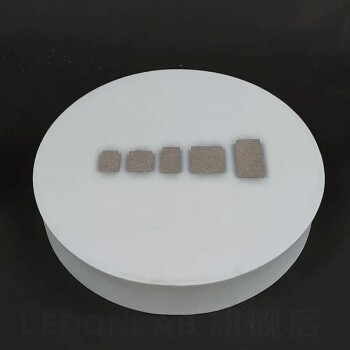
Ruthenium-coated Titanium (Ti/RuO2) electrodes serve as powerful active oxygen evolution anodes that significantly enhance the efficiency of fishmeal processing wastewater treatment. These electrodes provide exceptional electrocatalytic activity, leading to superior oxidative degradation of organic pollutants and a longer operational lifespan compared to non-active alternatives.
By leveraging high electrocatalytic activity, Ti/RuO2 electrodes drive maximum Total Organic Carbon (TOC) removal while generating less physical waste. This combination of high performance and reduced sludge volume makes them a critical component for optimizing industrial wastewater operations.
Maximizing Oxidative Degradation
Active Oxygen Evolution
Ti/RuO2 electrodes are classified as active oxygen evolution anodes. This specific classification means they are highly effective at generating the reactive species necessary for chemical reactions in the solution. This capability allows for more aggressive targeting of contaminants compared to standard electrode materials.
Superior TOC Removal
The primary goal in treating fishmeal wastewater is the reduction of Total Organic Carbon (TOC). The exceptional electrocatalytic activity of Ruthenium coatings directly facilitates the breakdown of complex organic pollutants. This results in higher overall removal efficiencies, ensuring stricter compliance with environmental standards.
Operational Efficiency and Waste Management
Reduced Sludge Production
One of the most distinct advantages of using Ruthenium-coated Titanium is the impact on byproducts. Compared to non-active anodes, these electrodes generate a relatively smaller volume of sludge during the reaction. This reduction simplifies downstream waste handling and lowers disposal costs.
Extended Service Life
Industrial wastewater environments are corrosive and demanding. Ti/RuO2 electrodes are characterized by an extended service life, providing durability that withstands rigorous processing cycles. This reliability reduces the frequency of maintenance shutdowns and equipment replacement.
Optimizing the System Context
The Importance of Spacing
While the electrode material is superior, its performance is heavily influenced by physical installation. Electrode spacing directly affects the ohmic resistance of the electrolyte solution. Simply installing high-quality anodes is not enough; the geometry must be optimized.
Balancing Voltage and Energy
To maximize the benefits of Ti/RuO2 anodes, the distance between the anode and cathode should be reduced to an optimal range, such as 1.5 cm. This lowers the required cell voltage, ensuring that the high pollutant removal rates provided by the Ruthenium coating are achieved with significantly reduced electrical energy consumption.
Making the Right Choice for Your Goal
When designing your electrochemical cell for fishmeal wastewater, consider your specific operational targets:
- If your primary focus is Process Efficiency: Prioritize Ti/RuO2 anodes to maximize electrocatalytic activity and TOC removal rates for complex organic loads.
- If your primary focus is Waste Reduction: Select these active anodes to specifically minimize the volume of sludge generation, easing the burden on secondary disposal systems.
- If your primary focus is Energy Optimization: Combine these high-performance anodes with precise, reduced electrode spacing to minimize ohmic resistance and lower voltage requirements.
The correct integration of Ruthenium-coated Titanium anodes transforms electro-oxidation from a simple filtration step into a high-efficiency, low-waste chemical degradation process.
Summary Table:
| Feature | Advantage | Impact on Treatment |
|---|---|---|
| Anode Type | Active Oxygen Evolution (Ti/RuO2) | Superior oxidative degradation of organic pollutants |
| Catalytic Activity | Exceptional Electrocatalytic Performance | Maximizes Total Organic Carbon (TOC) removal rates |
| Waste Management | Low Sludge Generation | Reduces downstream disposal costs and maintenance |
| Durability | Extended Service Life | High resistance to corrosion in demanding industrial environments |
| Energy Design | Low Ohmic Resistance | Reduced cell voltage and energy consumption when optimized |
Upgrade Your Wastewater Treatment with KINTEK Precision
Optimize your industrial electrochemical processes with high-performance Ruthenium-coated Titanium (Ti/RuO2) electrodes and professional laboratory solutions. At KINTEK, we specialize in providing cutting-edge electrolytic cells and electrodes, high-temperature reactors, and comprehensive laboratory equipment tailored for environmental research and industrial wastewater treatment.
Whether you are focusing on maximizing TOC removal, reducing sludge volume, or optimizing energy efficiency through precise electrode spacing, our team is ready to provide the durable, high-catalytic tools you need to succeed.
Ready to enhance your lab's efficiency? Contact KINTEK today for expert guidance and custom solutions!
References
- Raju Meganathan, Rajagopalan Varadarajan. Electro-oxidation of fish meal industry wastewater in a stirred batch reactor using a Ti/RuO2 anode. DOI: 10.2166/wpt.2021.087
This article is also based on technical information from Kintek Solution Knowledge Base .
Related Products
- Rotating Platinum Disk Electrode for Electrochemical Applications
- Platinum Sheet Electrode for Laboratory and Industrial Applications
- Platinum Sheet Electrode for Battery Lab Applications
- Electrode Polishing Material for Electrochemical Experiments
- RRDE rotating disk (ring disk) electrode / compatible with PINE, Japanese ALS, Swiss Metrohm glassy carbon platinum
People Also Ask
- What is the working principle of a platinum disk electrode? A Guide to Precise Electrochemical Analysis
- What are the temperature limitations for a platinum disk electrode? The Critical Factor is the Insulating Body
- What can cause poisoning of a platinum disk electrode and how can it be prevented? Ensure Reliable Electrochemical Data
- How should a platinum disk electrode be polished? Master the Technique for Reliable Electrochemical Data
- How should a platinum disk electrode be used during an experiment? A Guide to Accurate Electrochemical Measurements