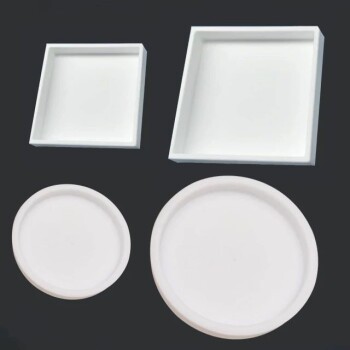
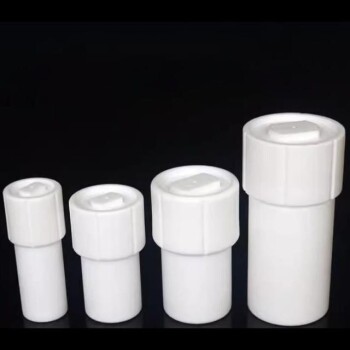
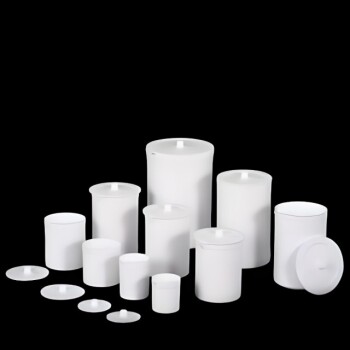
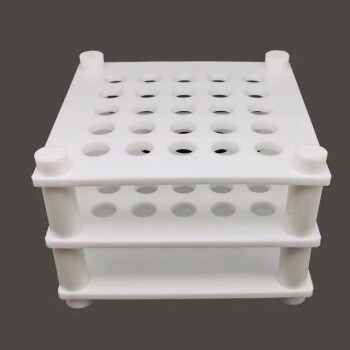
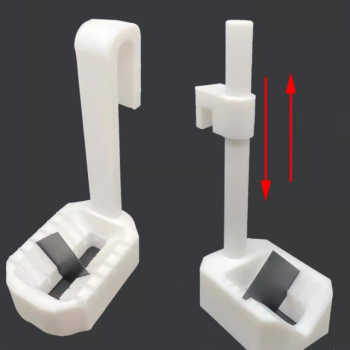
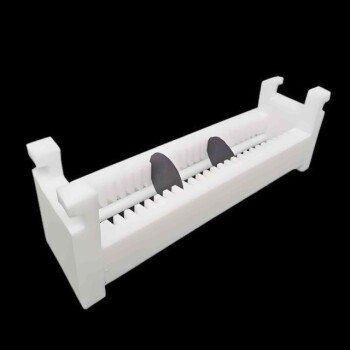
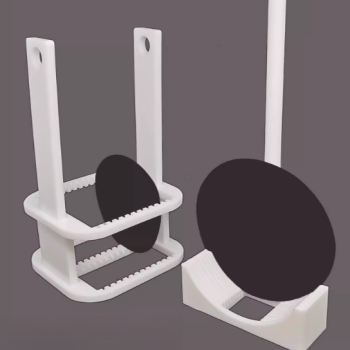
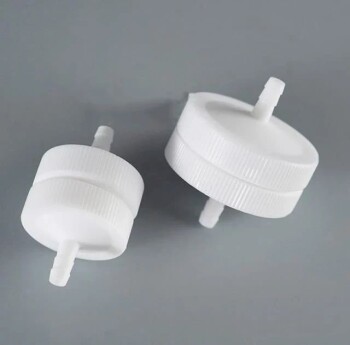
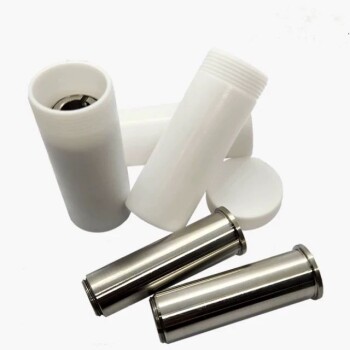
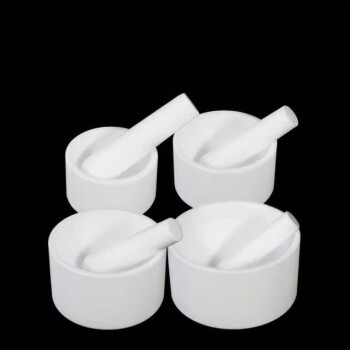
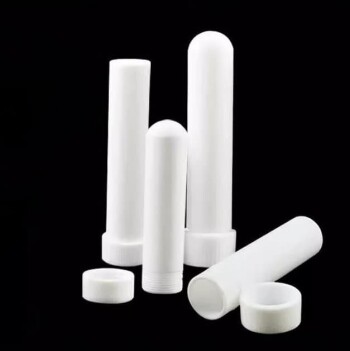
Polytetrafluoroethylene (PTFE) is required because it is one of the few materials capable of withstanding the highly corrosive hydrofluoric acid (HF) used in the process.
The purification of silicon nanosheets relies on HF to etch away native oxide layers and reaction by-products. Since hydrofluoric acid aggressively dissolves standard silica-based glassware, PTFE’s exceptional chemical inertness is essential to prevent container failure and the introduction of impurities that would degrade the nanosheets' electronic performance.
Core Takeaway: PTFE containers are technically mandatory for silicon nanosheet purification because they provide a chemically inert environment that resists hydrofluoric acid corrosion, ensuring both laboratory safety and the high-purity levels required for efficient charge transport.
The Incompatibility of Standard Glassware
The Chemical Vulnerability of Silica
Standard laboratory glassware is primarily composed of silicon dioxide (SiO2). Hydrofluoric acid (HF), the primary reagent in silicon nanosheet (SiF) leaching, reacts specifically and aggressively with silica to form silicon tetrafluoride gas and water.
If glass is used, the container itself will dissolve during the leaching process. This not only destroys the vessel but also introduces uncontrolled amounts of dissolved silica and glass-born impurities directly into the SiF sample.
PTFE as a Chemical Shield
PTFE is a fluoropolymer characterized by incredibly strong carbon-fluorine bonds. These bonds are nearly impossible for acids to break, making the material virtually inert to the corrosive effects of HF, hydrochloric acid, and sulfuric acid.
By using PTFE, researchers ensure that the chemical reaction remains confined to the silicon nanosheets and the intended reagents. This stability is critical during the long-cycle leaching processes often required for high-quality purification.
Maintaining High-Purity Standards
Preventing Background Ion Leaching
In high-precision material science, even trace amounts of foreign ions can significantly alter the properties of the final product. PTFE has an extremely low background of ion leaching compared to other plastics or treated glass.
This low leaching rate ensures that analytical results, such as those from ICP-MS, accurately reflect the state of the silicon nanosheets rather than contamination from the container. Maintaining this purity is essential for obtaining SiF capable of efficient photogenerated charge transport.
Ensuring Surface Integrity
The purification of SiF involves removing native oxide layers to expose the pure silicon structure. Any metal ions or impurities released by a non-inert container could re-adsorb onto the freshly etched silicon surface.
PTFE prevents this "cross-contamination" during the exfoliation and leaching phases. This ensures that the silicon nanosheets maintain their specific structural and chemical characteristics intended for use in semiconductor or energy storage applications.
Structural Integrity and Safety
Thermal and Pressure Stability
Acid leaching often occurs at elevated temperatures to increase the rate of reaction or to ensure the complete removal of by-products. PTFE maintains its structural integrity and chemical resistance at temperatures where other plastics, like polyethylene (PE), might soften or fail.
This thermal stability is vital for high-temperature static leaching tests. It prevents the vessel from deforming or leaking under the combined stress of heat and aggressive acidity.
Laboratory Safety Protocols
Using a container that could potentially crack or dissolve while holding hydrofluoric acid poses a severe safety risk to personnel. HF is a potent neurotoxin and contact poison that can cause deep tissue damage and systemic toxicity.
PTFE provides a reliable, shatter-proof barrier that withstands the harsh environment of SiF synthesis. Its durability ensures that the corrosive reagents remain safely contained throughout the duration of the purification cycle.
Understanding the Trade-offs
Cost and Maintenance Considerations
While PTFE is superior in performance, it is significantly more expensive than alternative plastics like Polyethylene (PE) or Polypropylene (PP). For low-temperature applications where HF concentration is minimal, some labs may opt for PE to reduce costs, though it lacks the thermal range of PTFE.
Additionally, PTFE can be slightly porous at a microscopic level. If not cleaned rigorously between uses using specialized acid-wash protocols, it can retain trace "memory" of previous experiments, which may interfere with ultra-sensitive leaching analyses.
Selecting the Right Container for Your Process
Recommendations for Implementation
- If your primary focus is High-Temperature Leaching (above 60°C): PTFE is the only viable choice due to its combined thermal stability and acid resistance.
- If your primary focus is Ultra-Trace Analytical Purity: Use high-grade PTFE to minimize background ion leaching and ensure the accuracy of your SiF characterization.
- If your primary focus is High-Concentration HF Etching: PTFE is mandatory to prevent rapid container degradation and potential laboratory accidents.
- If your primary focus is Budget-Constrained Cold Etching: Heavy-walled Polyethylene (PE) may be a temporary substitute, provided the temperature remains low and the exposure time is short.
The adoption of PTFE containers is a fundamental requirement for any protocol involving the acid purification of silicon nanosheets to ensure material performance and researcher safety.
Summary Table:
| Feature | Importance in Silicon Nanosheet (SiF) Purification | Advantage Over Standard Glass |
|---|---|---|
| Chemical Resistance | Resists aggressive Hydrofluoric Acid (HF) used in leaching. | Glass dissolves and reacts with HF, ruining the sample. |
| Material Purity | Extremely low background ion leaching for trace analysis. | Prevents contamination from silica and metal ions. |
| Thermal Stability | Maintains integrity during high-temperature leaching cycles. | Unlike PE/PP, PTFE handles heat without deforming. |
| Safety | Shatter-proof and resistant to corrosive penetration. | Eliminates the risk of vessel failure and HF exposure. |
Optimize Your Materials Research with KINTEK
Precision in silicon nanosheet purification requires equipment that can withstand the harshest chemical environments. KINTEK specializes in high-performance laboratory solutions designed for advanced material science.
Whether you need chemically inert PTFE consumables and crucibles, high-temperature muffle or vacuum furnaces, or specialized high-pressure reactors and autoclaves, we provide the reliability your research demands. Our portfolio also includes essential tools like electrolytic cells, hydraulic presses, and ultra-low temperature freezers to support every stage of your workflow.
Ready to enhance your lab's efficiency and ensure sample integrity? Contact us today to discuss your specific requirements with our technical experts!
References
- Yuri Choi, Jungki Ryu. Solar Biomass Reforming and Hydrogen Production with Earth‐Abundant Si‐Based Photocatalysts. DOI: 10.1002/adma.202301576
This article is also based on technical information from Kintek Solution Knowledge Base .
Related Products
- Custom PTFE Teflon Parts Manufacturer for PTFE Containers
- Custom PTFE Teflon Parts Manufacturer for Microwave Digestion Tank
- Custom PTFE Teflon Parts Manufacturer PTFE Beaker and Lids
- Custom PTFE Teflon Parts Manufacturer for Centrifuge Tube Racks
- Custom PTFE Teflon Parts Manufacturer Corrosion Resistant Cleaning Rack Flower Basket
People Also Ask
- Why are PTFE containers required for PCT leaching tests? Ensure Chemical Inertness and Analytical Precision
- Why are PTFE containers necessary for selective HF etching of MAX phases? Ensure Safe & Pure MXene Synthesis
- Why is PTFE Mandatory for Hydrofluoric Acid (HF) Handling? Ensure Safety and Data Integrity in Corrosion Testing
- Why are polytetrafluoroethylene (PTFE) containers essential for assessing the corrosion resistance of glassified waste?
- Why use high-quality PTFE containers for CO2 reduction electrolytes? Eliminate silicon contamination and ensure data.