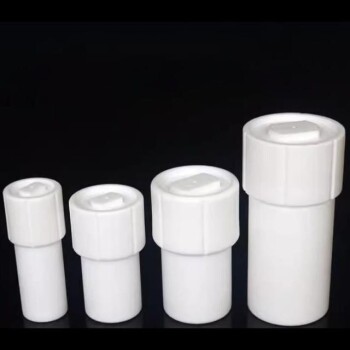
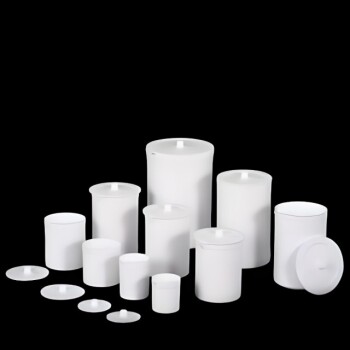
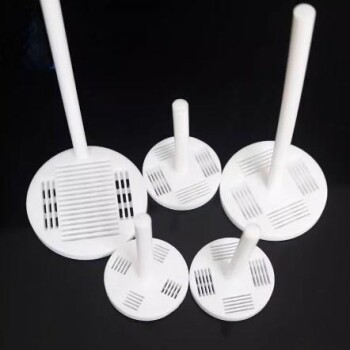
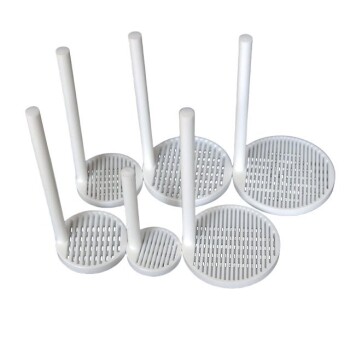
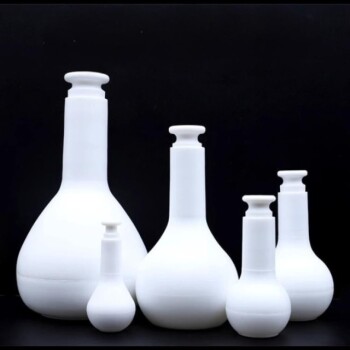
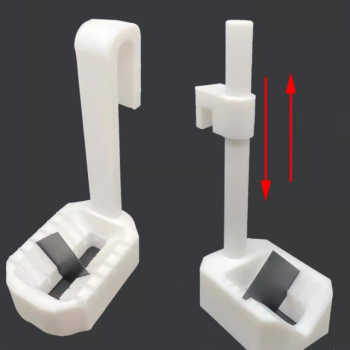
Polytetrafluoroethylene (PTFE) containers serve as a critical safeguard against data corruption during the analytical procedures for trace metal detection. Specifically utilized during the preparation of calibration standards and sample digestion for Inductively Coupled Plasma Mass Spectrometry (ICP-MS), they ensure the fidelity of results. By eliminating interactions between the sample and the vessel, PTFE allows for the precise measurement of elements such as copper and titanium.
The integrity of trace metal analysis depends on the neutrality of the containment vessel. PTFE is required because its extreme chemical inertness and low adsorption rates prevent the loss of target ions and the introduction of contaminants.
The Mechanisms of Purity
To understand why PTFE is non-negotiable for trace analysis, you must look at how it interacts—or refuses to interact—with the sample.
Extreme Chemical Inertness
In trace metal detection, the container itself must be invisible to the analysis. PTFE possesses extreme chemical inertness, meaning it does not react with the sample matrix.
This prevents the container material from breaking down or leaching interfering elements into the solution.
Minimizing Ion Adsorption
A common source of error in analytical chemistry is the loss of analytes to the container walls. PTFE features a very low inner-wall adsorption rate.
This property prevents trace amounts of ions, specifically copper or titanium in photocatalysis studies, from sticking to the vessel. This ensures that the ions remain in the solution where they can be detected by the ICP-MS.
Critical Application Points
The use of PTFE is not random; it is strategically applied at the stages where samples are most vulnerable to alteration.
Sample Digestion
Digestion often involves harsh chemicals to break down the sample matrix. PTFE containers maintain their integrity during this aggressive process.
By resisting chemical attack, they prevent contaminants from the vessel structure from entering the digested sample.
Preparation of Calibration Standards
Calibration standards establish the baseline for the entire analysis. If the standard changes, every subsequent measurement will be incorrect.
Using PTFE for these standards ensures that the concentration of metal ions remains stable over time, preventing "drift" caused by adsorption.
Common Pitfalls to Avoid
While PTFE is the gold standard, understanding the risks of alternatives highlights its importance.
The Risk of False Negatives
Using containers with higher adsorption rates (like certain glasses or plastics) can strip ions from the solution.
This leads to artificially low readings, making it appear as though the photocatalyst contains less copper or titanium than it actually does.
The Risk of Contamination
Inferior materials may leach background elements into your sample.
This creates "ghost" readings, compromising the accuracy of your trace element analysis and potentially invalidating your photocatalysis efficiency data.
Ensuring Analytical Precision
To achieve reliable data in your photocatalysis studies, you must align your equipment with your analytical goals.
- If your primary focus is accurate quantification: Use PTFE containers for all calibration standards to prevent ion loss via wall adsorption.
- If your primary focus is sample integrity: Utilize PTFE vessels during the digestion phase to eliminate contamination from container degradation.
By standardizing on PTFE, you ensure that the only chemistry you measure is the chemistry of your sample.
Summary Table:
| Feature | Benefit in Trace Metal Analysis | Impact on Photocatalysis Research |
|---|---|---|
| Chemical Inertness | Prevents leaching of container material into the sample | Eliminates "ghost" readings and background noise |
| Low Adsorption | Prevents ions (Cu, Ti) from sticking to vessel walls | Ensures accurate quantification of catalysts |
| Durability | Resists aggressive acids during sample digestion | Maintains sample integrity under harsh conditions |
| Stability | Maintains concentration of calibration standards | Prevents baseline drift and ensures measurement fidelity |
Elevate Your Analytical Accuracy with KINTEK Lab Solutions
Precision in photocatalysis and trace metal detection demands equipment that never compromises your data. KINTEK specializes in providing high-performance laboratory consumables and equipment designed for the most rigorous scientific standards. From chemically inert PTFE products, crucibles, and ceramics to advanced high-pressure reactors and autoclaves, we ensure your research environment is free from contamination.
Whether you are performing complex sample digestions or managing sensitive battery research, our comprehensive range—including crushing systems, hydraulic presses, and cooling solutions—is engineered for reliability.
Don't let container contamination invalidate your results. Contact KINTEK today to source premium PTFE labware and specialized equipment and ensure the integrity of every analysis.
References
- Hichem Zeghioud, Sami Rtimi. Photocatalytic Performance of CuxO/TiO2 Deposited by HiPIMS on Polyester under Visible Light LEDs: Oxidants, Ions Effect, and Reactive Oxygen Species Investigation. DOI: 10.3390/ma12030412
This article is also based on technical information from Kintek Solution Knowledge Base .
Related Products
- Custom PTFE Teflon Parts Manufacturer for PTFE Containers
- Custom PTFE Teflon Parts Manufacturer for Microwave Digestion Tank
- Custom PTFE Teflon Parts Manufacturer PTFE Beaker and Lids
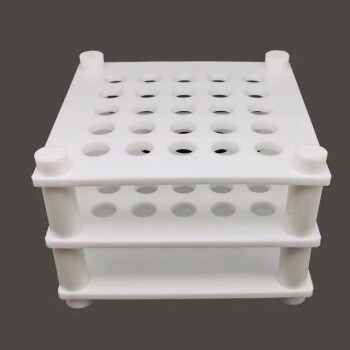
- Custom PTFE Teflon Parts Manufacturer for Centrifuge Tube Racks
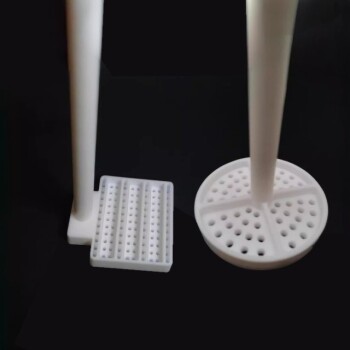
- Custom PTFE Teflon Parts Manufacturer Corrosion Resistant Cleaning Rack Flower Basket
People Also Ask
- Why are PTFE containers required for PCT leaching tests? Ensure Chemical Inertness and Analytical Precision
- Why are PTFE containers necessary for selective HF etching of MAX phases? Ensure Safe & Pure MXene Synthesis
- Why is PTFE Mandatory for Hydrofluoric Acid (HF) Handling? Ensure Safety and Data Integrity in Corrosion Testing
- Why is a PTFE container required for acid leaching of silicon nanosheets? Ensure High Purity and Safety
- Why are polytetrafluoroethylene (PTFE) containers essential for assessing the corrosion resistance of glassified waste?