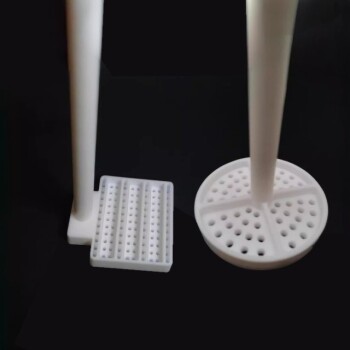
A PTFE-lined autoclave provides a sealed, contamination-free reactor essential for the structural integrity of the catalyst. During the hydrothermal aging stage—typically occurring at 80°C for 24 hours—this vessel prevents solvent loss and maintains the consistent internal pressure required to condense the silica framework.
The autoclave acts as a thermodynamic and chemical shield, ensuring the SBA-15 framework crystallizes into a highly ordered mesoporous structure without the interference of evaporation or metallic impurities.
Controlling the Physical Reaction Environment
Preventing Solvent Loss
The synthesis of Na-Ce-modified-SBA-15 relies on precise chemical concentrations. A standard open beaker or loosely sealed vessel would allow solvents to evaporate during the 24-hour heating cycle.
The autoclave provides a hermetically sealed environment. This ensures the ratio of surfactant templates to silica precursors remains constant throughout the entire aging process.
Generating Autogenous Pressure
Temperature alone is often insufficient for crystallization; pressure is the catalyst for structural ordering. As the temperature rises to 80°C inside the sealed volume, autogenous (self-generated) pressure builds.
This pressure forces the reactants into closer proximity. It drives the condensation of the silica framework around the surfactant templates, a critical step for achieving stability.
Ensuring Chemical Purity
The Role of the PTFE Liner
While the stainless steel outer shell handles the pressure, it is chemically reactive. The Polytetrafluoroethylene (PTFE) liner provides a chemically inert barrier between the reaction mixture and the steel vessel.
Preventing Metallic Contamination
Hydrothermal synthesis often involves pH levels that can corrode standard metals. Without the PTFE liner, the reaction solution would attack the stainless steel body.
This corrosion would introduce impurity metal ions (such as iron or chromium) into the catalyst. These impurities can disrupt the delicate mesoporous structure and poison the active sites of the final modified material.
Impact on Catalyst Structure
Facilitating Framework Growth
The ultimate goal of this aging stage is crystallization. The stable, pressurized environment facilitates the slow, orderly condensation of silica.
This controlled growth results in a highly ordered mesoporous structure. This order is directly responsible for the material's high specific surface area, which is the defining characteristic of effective SBA-15 catalysts.
Understanding the Limitations
Temperature Constraints
While PTFE is exceptionally inert, it has thermal limits. It is generally safe for the 80°C requirement of SBA-15 aging, but structural deformation of the liner can occur if temperatures exceed 200°C–250°C in other applications.
Pressure Safety
The "sealed" nature of the autoclave creates a safety trade-off. While necessary for synthesis, the vessel must be properly rated for the pressure generated by the solvent at the target temperature to effectively contain the reaction without failure.
Making the Right Choice for Your Goal
When setting up your synthesis apparatus, prioritize the following based on your specific needs:
- If your primary focus is Structural Order: Ensure the autoclave seal is perfect to maintain the pressure required for the formation of the mesoporous silica framework.
- If your primary focus is Chemical Purity: Inspect the PTFE liner for any scratches or defects before use to guarantee zero contact between the solution and the stainless steel shell.
The PTFE-lined autoclave is not just a container; it is an active tool that enforces the thermodynamic and chemical conditions necessary for high-performance catalyst synthesis.
Summary Table:
| Feature | Function in SBA-15 Aging | Benefit for Catalyst |
|---|---|---|
| Hermetic Seal | Prevents solvent evaporation | Maintains constant reactant concentrations |
| Autogenous Pressure | Facilitates silica condensation | Creates a highly ordered mesoporous structure |
| PTFE Liner | Provides a chemically inert barrier | Prevents metallic contamination and poisoning |
| Steel Shell | Withstands internal pressure | Ensures safety and durability at 80°C |
Elevate Your Catalyst Synthesis with KINTEK Precision
High-performance materials like Na-Ce-modified-SBA-15 demand an environment free from impurities and fluctuations. KINTEK specializes in premium laboratory equipment designed to meet the rigorous standards of material science. Our high-temperature high-pressure reactors and autoclaves, equipped with high-quality PTFE products and liners, ensure your hydrothermal processes achieve maximum structural order and chemical purity.
From crushing and milling systems for precursor preparation to advanced high-temperature furnaces and isostatic presses for final material processing, KINTEK provides the comprehensive tools your lab needs to succeed.
Ready to optimize your research outcomes? Contact KINTEK today to find the perfect autoclave or consumable for your specific catalyst development needs.
References
- Edgar M. Sánchez Faba, Griselda A. Eimer. Na-Ce-modified-SBA-15 as an effective and reusable bimetallic mesoporous catalyst for the sustainable production of biodiesel. DOI: 10.1016/j.apcata.2020.117769
This article is also based on technical information from Kintek Solution Knowledge Base .
Related Products
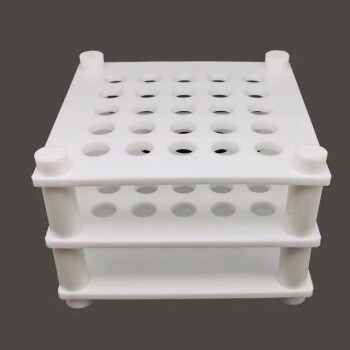
- Custom PTFE Teflon Parts Manufacturer for Centrifuge Tube Racks
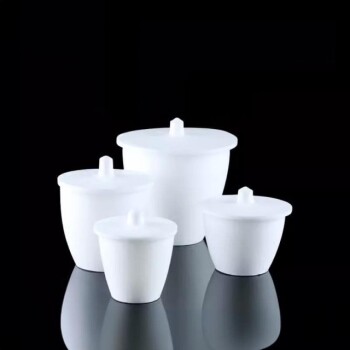
- Custom Machined and Molded PTFE Teflon Parts Manufacturer with PTFE Crucible and Lid
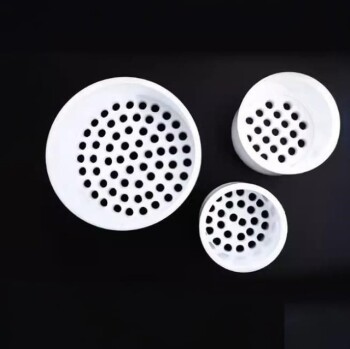
- Custom PTFE Teflon Parts Manufacturer for Hollow Cleaning Basket and Rack Carrier
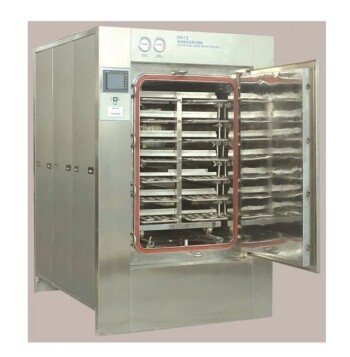
- Laboratory High Pressure Steam Sterilizer Vertical Autoclave for Lab Department
- Laboratory Sterilizer Lab Autoclave Herbal Powder Sterilization Machine for Plant
People Also Ask
- Why is slender PTFE tubing necessary for flow control in multi-channel catalyst aging? Ensure Equal Gas Distribution
- Why are PTFE containers required for PCT leaching tests? Ensure Chemical Inertness and Analytical Precision
- Why are PTFE containers necessary for selective HF etching of MAX phases? Ensure Safe & Pure MXene Synthesis
- What role do PTFE containers play in trace metal detection? Ensure Analytical Precision in Photocatalysis Studies
- Why is a PTFE container required for acid leaching of silicon nanosheets? Ensure High Purity and Safety