The synthesis of Fe-ZIF-8@BC gels requires a Teflon-lined stainless steel high-pressure reactor to create a controlled solvothermal environment where high temperatures generate autogenous pressure. This specific setup facilitates the efficient nucleation and uniform growth of ZIF-8 nanocrystals onto bacterial cellulose (BC) nanofibers while simultaneously protecting the reaction from metallic contamination and the equipment from chemical corrosion.
Core Takeaway: The reactor acts as a high-pressure pressure cooker that forces reactants into a high-energy state to enable crystal growth on the cellulose framework, while the Teflon liner ensures the resulting gel remains pure and the stainless steel vessel remains intact.
Enabling Solvothermal Dynamics
The primary function of the reactor is to move the chemical reaction beyond the limitations of standard atmospheric boiling points.
The Role of Autogenous Pressure
When the reactor is sealed and heated—typically to 120°C or higher—the solvent inside expands and evaporates, creating autogenous pressure. This internal pressure significantly increases the solubility and reactivity of the precursors, allowing them to interact more vigorously than they would in an open flask.
Enhanced Diffusion and Reactivity
Under high-pressure conditions, the diffusion capacity of the metal ions and organic ligands is greatly enhanced. This allows the precursors to penetrate the porous network of the bacterial cellulose (BC) nanofibers, ensuring that the ZIF-8 nanocrystals grow deeply and uniformly within the gel matrix rather than just on the outer surface.
Promoting Nucleation and Growth
The high-energy environment provides the necessary kinetic energy for efficient and complete nucleation. This ensures that the Fe-doped ZIF-8 structures crystallize correctly, achieving the specific morphology and crystallinity required for the final gel product.
The Critical Function of the Teflon Liner
While the stainless steel provides the mechanical strength to withstand high pressure, the Teflon (PTFE) liner serves as the chemical heart of the operation.
Prevention of Metal Contamination
During the synthesis of Metal-Organic Frameworks (MOFs) like ZIF-8, the presence of stray metal ions can ruin the product's properties. The Teflon liner prevents the reaction solution from contacting the stainless steel shell, ensuring that iron, chromium, or nickel from the reactor wall do not leach into and contaminate the Fe-ZIF-8@BC gel.
Resistance to Chemical Corrosion
The organic precursors and solvents used in ZIF-8 synthesis can be highly reactive or corrosive at elevated temperatures. Teflon is chosen for its exceptional chemical stability, which protects the structural integrity of the stainless steel vessel from being degraded by the reaction media over time.
Ensuring High Purity
By providing a non-reactive, "inert" surface, the Teflon liner ensures that the coordination chemistry between the iron ions and the organic ligands happens exactly as intended. This results in a high-purity polymer gel with predictable and repeatable performance characteristics.
Understanding the Trade-offs and Limitations
While this equipment is essential, it requires careful management to ensure safety and experimental success.
- Thermal Expansion Risks: Teflon has a higher coefficient of thermal expansion than stainless steel. If the reactor is heated or cooled too rapidly, the liner can deform or crack, potentially leading to leaks or vessel damage.
- Temperature Ceilings: Most standard Teflon liners are rated for a maximum temperature of 250°C. Exceeding this limit can cause the Teflon to release toxic fumes or lose its structural integrity.
- Filling Ratio Constraints: Reactors should typically only be filled to 60-80% of their capacity. Overfilling leaves insufficient headspace for gas expansion, which can lead to dangerous over-pressurization and potential vessel failure.
How to Apply This to Your Synthesis
Choosing the right parameters for your reactor setup depends on your specific experimental objectives.
- If your primary focus is crystal uniformity: Ensure the heating ramp rate is slow and steady to allow for uniform nucleation across the bacterial cellulose fibers.
- If your primary focus is maximum purity: Always perform a "blank" cleaning run with pure solvent at reaction temperature before starting a new synthesis to remove any trace residues from the Teflon liner.
- If your primary focus is structural integrity of the BC: Monitor the temperature closely, as exceeding 150°C for extended periods may begin to degrade the organic structure of the bacterial cellulose nanofibers.
The use of a Teflon-lined high-pressure reactor is the definitive method for overcoming the energy barriers required to fuse complex MOF structures with organic cellulose frameworks.
Summary Table:
| Component | Primary Function | Impact on Fe-ZIF-8@BC Synthesis |
|---|---|---|
| Stainless Steel Shell | Mechanical Strength | Withstands autogenous pressure for solvothermal growth. |
| Teflon (PTFE) Liner | Chemical Inertness | Prevents metal ion leaching and protects against corrosion. |
| High-Pressure Setup | Enhanced Diffusion | Forces precursors into the porous bacterial cellulose matrix. |
| Thermal Control | Kinetic Energy | Facilitates efficient nucleation and uniform MOF crystallization. |
Elevate Your Material Synthesis with KINTEK Precision
Achieving high-purity Fe-ZIF-8@BC gels requires equipment that can handle extreme solvothermal conditions without compromising chemical integrity. KINTEK specializes in high-performance laboratory solutions, offering a robust range of high-temperature high-pressure reactors and autoclaves designed specifically for sensitive MOF synthesis.
Whether you need precision Teflon-lined vessels to prevent contamination or advanced furnaces and hydraulic presses for material processing, KINTEK provides the reliability and safety standards your research demands. Our equipment ensures uniform nucleation, consistent temperature control, and long-term durability for your most challenging experiments.
Ready to optimize your lab's capabilities? Contact KINTEK today to find the perfect reactor solution for your synthesis needs!
References
- Xueyan Lin, Zhaoyang Fan. Fe-single-atom catalyst nanocages linked by bacterial cellulose-derived carbon nanofiber aerogel for Li-S batteries. DOI: 10.1016/j.cej.2023.146977
This article is also based on technical information from Kintek Solution Knowledge Base .
Related Products
- Stainless High Pressure Autoclave Reactor Laboratory Pressure Reactor
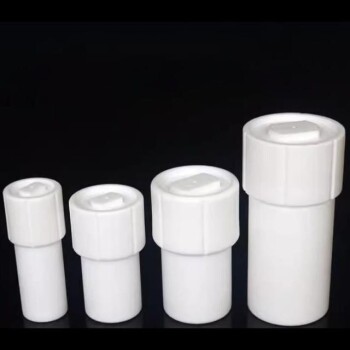
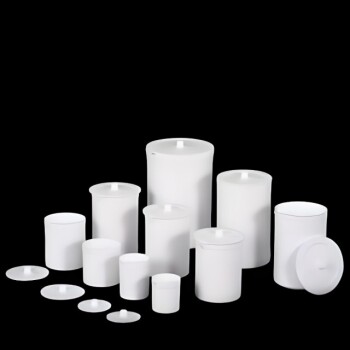
- Custom PTFE Teflon Parts Manufacturer for Reagent Wide Mouth Fine Mouth Sample High Temperature Bottles
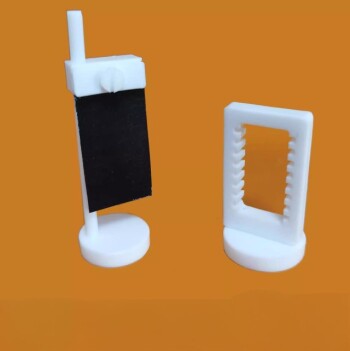
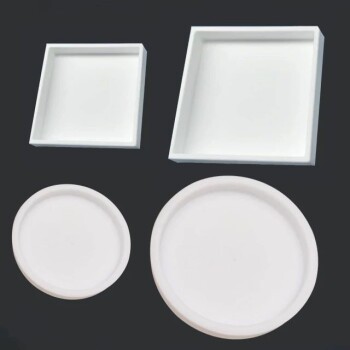
- Custom PTFE Teflon Parts Manufacturer for Hydrothermal Synthesis Reactor Polytetrafluoroethylene Carbon Paper and Carbon Cloth Nano-growth
- Mini SS High Pressure Autoclave Reactor for Laboratory Use
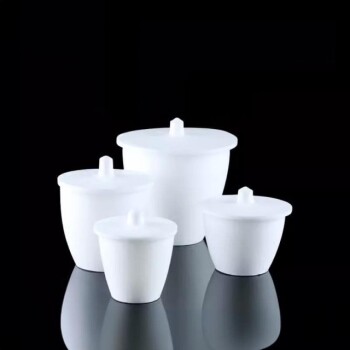
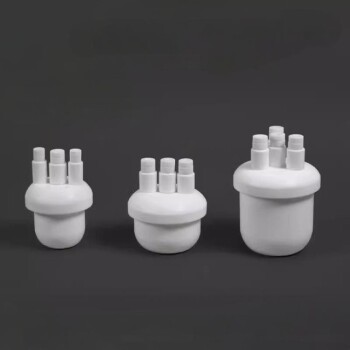
- Custom PTFE Teflon Parts Manufacturer for Microwave Digestion Tank
People Also Ask
- Why is a laboratory high-pressure reactor necessary for synthesizing fly ash-based zeolite? Achieve Pure Crystallization
- Why is a laboratory high-pressure reactor used in the hydrothermal synthesis of hydroxyapatite catalysts?
- What role does a laboratory high-pressure reactor play in the leaching process of spent cathode materials? Optimize Recovery
- What conditions do laboratory high-pressure reactors provide for HTC? Optimize Your Biochar Production Processes
- How are high-pressure reactors used to prepare metaphosphate electrocatalysts? Master In-Situ Precursor Growth