Optical Materials
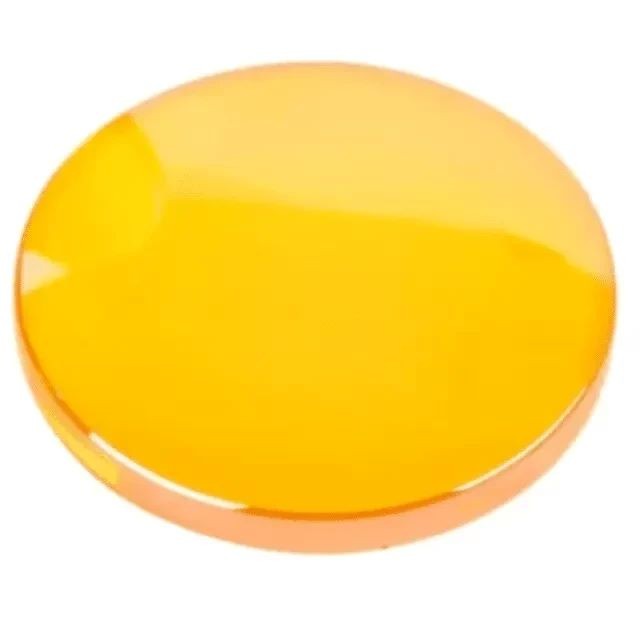
Zinc Selenide ZnSe Optical Window Glass Substrate Wafer and Lens
Item Number : KTOM-ZSW
Price varies based on specs and customizations
- Transmittance
- 99%
- Diameter Tolerance
- 10ZS: ±0.2 mm ZNW: +0.0/-0.1 mm

Shipping:
Contact us to get shipping details Enjoy On-time Dispatch Guarantee.
Why Choose Us
Easy ordering process, quality products, and dedicated support for your business success.
ZnSe windows / substrate / optical lens
ZnSe windows are ideal for a variety of infrared applications including high power CO2 laser systems. Zinc Selenide has low infrared absorption and high thermal shock resistance. However, due to the soft nature of the material, the ZnSe window must be handled with care.
Detail & Parts


Advantages of ZnSe window / substrate / optical lens
- ZnSe has a high refractive index and needs to be coated with an AR coating to achieve high transmittance.
- Zinc Selenide has low infrared absorption and is able to transmit beams in a very broad spectral range (0.6-16 µm). This facilitates thermal imaging, where the temperature of a distant object can be determined from its black body radiation spectrum.
- Zinc selenide windows are ideal for environments where heat resistance is critical. The window has low absorption and high thermal shock resistance, so it can be used in high power CO2 laser applications. These windows can also be used in infrared imaging applications such as in scientific, military or search and rescue applications.
Precautions
- Zinc selenide is a toxic substance and must be handled and cleaned with great care.
- Rubber gloves need to be worn at all times to prevent contamination of the material.
- Handle zinc selenide from its edges to prevent scratching the material.
Provide customized services
Through the implementation of innovative and state-of-the-art melting processes, we have acquired extensive expertise in the development and manufacture of quality glass products, offering a wide range of optical glass products for a variety of commercial, industrial and scientific applications. The company provides various specifications of optical glass such as raw glass, cut parts and finished components, and cooperates closely with customers to customize products according to customer needs. With an unwavering commitment to quality, we ensure our customers receive the perfect solution tailored to their requirements.
For further quotations, please contact us.
Trusted by Industry Leaders
FAQ
What Are Optical Windows And What Are They Used For?
What Is The Transmission Range Of Zinc Selenide?
What Is The Spectral Range Of ZnSe?
Is Zinc Selenide Hygroscopic?
What Are The Different Types Of Optical Windows Available?
What Is Optical Glass Used For?
How Do Optical Windows Work?
What Is The Composition Of Optical Glass?
What Are The Advantages Of Using Optical Windows In High-power IR Laser Applications?
What Are The Most Common Optical Glasses?
Why Are CaF2 Windows Preferred In Certain Optical Applications?
What Makes MgF2 Windows Unique?
How Does Silicon Perform In Near-infrared (NIR) Applications?
What Are The Benefits Of Using High-temperature Resistant Optical Quartz Glass Sheets?
Why Are Zinc Sulfide (ZnS) Windows Preferred In Harsh Environments?
What Are The Applications Of Barium Fluoride (BaF2) Windows?
REQUEST A QUOTE
Our professional team will reply to you within one business day. Please feel free to contact us!
Related Products
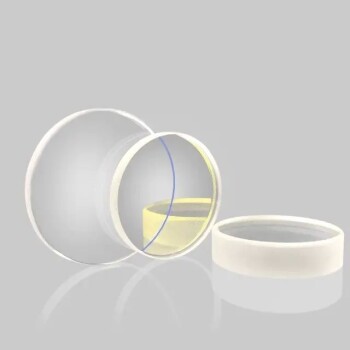
Optical Window Glass Substrate Wafer Sheets Zinc Sulfide ZnS Window
Optics Zinc Sulphide (ZnS) Windows have an excellent IR transmission range between 8-14 microns.Excellent mechanical strength and chemical inertness for harsh environments (harder than ZnSe Windows)
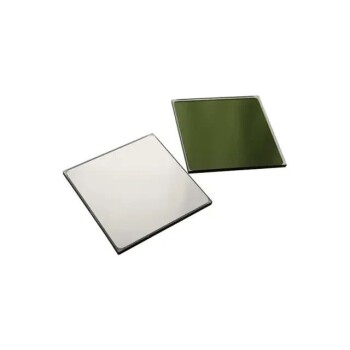
Optical Window Glass Substrate Wafer Single Double Sided Coated K9 Quartz Sheet
K9 glass, also known as K9 crystal, is a type of optical borosilicate crown glass renowned for its exceptional optical properties.
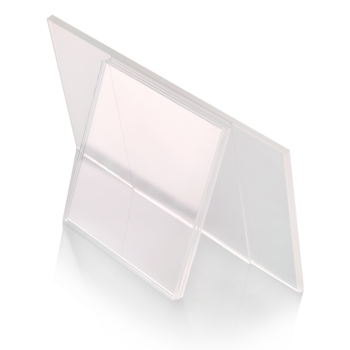
Optical Window Glass Substrate Wafer Quartz Plate JGS1 JGS2 JGS3
The quartz plate is a transparent, durable, and versatile component widely used in various industries. Made from high-purity quartz crystal, it exhibits excellent thermal and chemical resistance.
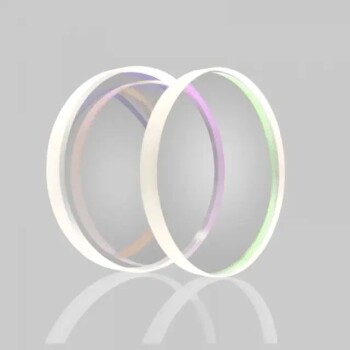
Optical Window Glass Substrate Wafer Barium Fluoride BaF2 Substrate Window
BaF2 is the fastest scintillator, sought-after for its exceptional properties. Its windows and plates are valuable for VUV and infrared spectroscopy.
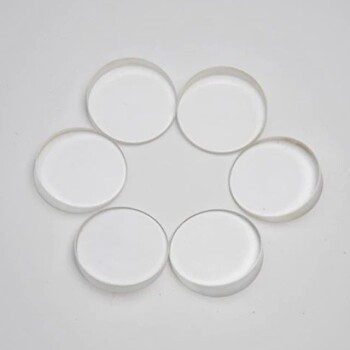
Optical Window Glass Substrate Wafer CaF2 Substrate Window Lens
A CaF2 window is an optical window made of crystalline calcium fluoride. These windows are versatile, environmentally stable and resistant to laser damage, and they exhibit a high, stable transmission from 200 nm to about 7 μm.
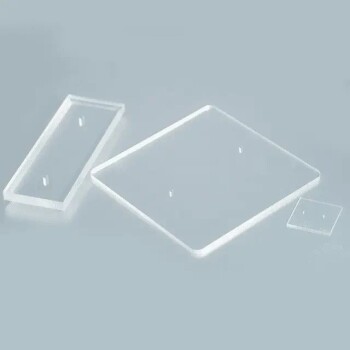
MgF2 Magnesium Fluoride Crystal Substrate Window for Optical Applications
Magnesium fluoride (MgF2) is a tetragonal crystal that exhibits anisotropy, making it imperative to treat it as a single crystal when engaging in precision imaging and signal transmission.
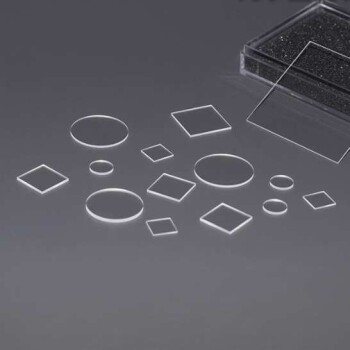
Infrared Transmission Coating Sapphire Sheet Substrate Window
Crafted from sapphire, the substrate boasts unparalleled chemical, optical, and physical properties. Its remarkable resistance to thermal shocks, high temperatures, sand erosion, and water sets it apart.
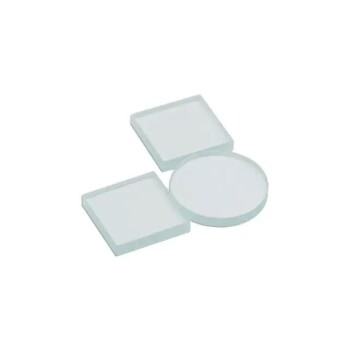
Float Soda-Lime Optical Glass for Laboratory Use
Soda-lime glass, widely favored as an insulating substrate for thin/thick film deposition, is created by floating molten glass on molten tin. This method ensures uniform thickness and exceptionally flat surfaces.
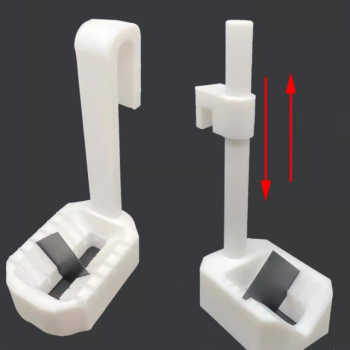
Custom PTFE Wafer Holders for Lab and Semiconductor Processing
This is a high-purity, custom-machined PTFE (Teflon) holder, expertly designed for the secure handling and processing of delicate substrates like conductive glass, wafers, and optical components.
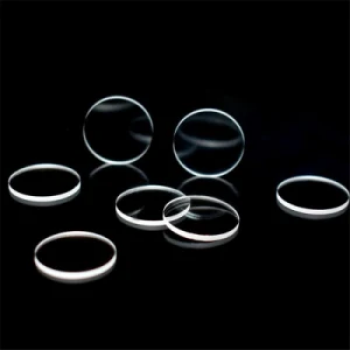
High Temperature Resistant Optical Quartz Glass Sheet
Discover the power of optical glass sheets for precise light manipulation in telecommunications, astronomy, and beyond. Unlock advancements in optical technology with exceptional clarity and tailored refractive properties.
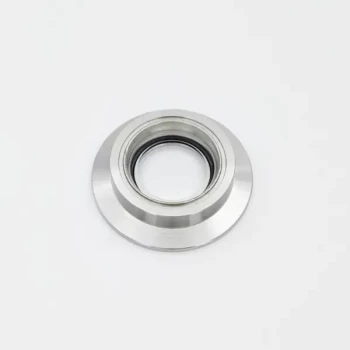
KF Ultra-High Vacuum Observation Window 304 Stainless Steel Flange High Borosilicate Glass Sight Glass
Discover KF Ultra-High Vacuum Observation Window: 304 Stainless Steel Flange & High Borosilicate Glass Sight Glass, Ideal for precise observation in ultra-high vacuum environments.
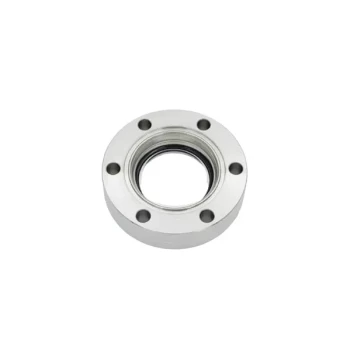
CF Ultra-High Vacuum Observation Window Window Flange High Borosilicate Glass Sight Glass
Discover CF ultra-high vacuum observation window flanges with high borosilicate glass, perfect for semiconductor manufacturing, vacuum coating, and optical instruments. Clear observation, durable design, easy installation.
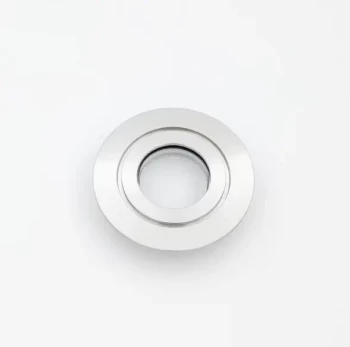
KF Ultra-High Vacuum Observation Window Stainless Steel Flange Sapphire Glass Sight Glass
Discover the KF Ultra-High Vacuum Observation Window, featuring sapphire glass and stainless steel flange for clear, reliable observation in ultra-high vacuum environments. Ideal for semiconductor, vacuum coating, and scientific research applications

Side Window Optical Electrolytic Electrochemical Cell
Experience reliable and efficient electrochemical experiments with a side window optical electrolytic cell. Boasting corrosion resistance and complete specifications, this cell is customizable and built to last.
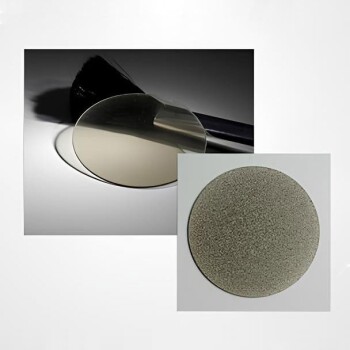
CVD Diamond Optical Windows for Lab Applications
Diamond optical windows: exceptional broad band infrared transparency, excellent thermal conductivity & low scattering in infrared, for high-power IR laser & microwave windows applications.
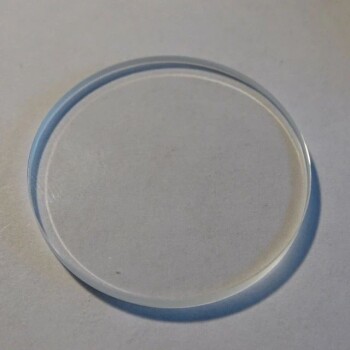
400-700nm Wavelength Anti Reflective AR Coating Glass
AR coatings are applied on optical surfaces to reduce reflection. They can be a single layer or multiple layers that are designed to minimize reflected light through destructive interference.
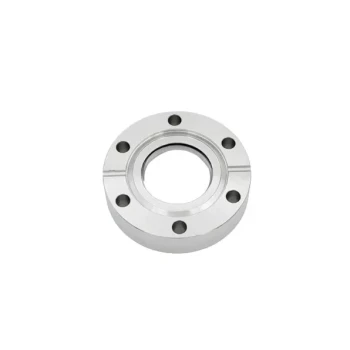
CF Ultra-High Vacuum Observation Window Stainless Steel Flange Sapphire Glass Sight Glass
Discover CF ultra-high vacuum observation windows with sapphire glass and stainless steel flanges. Ideal for semiconductor manufacturing, vacuum coating, and more. Clear observation, precise control.
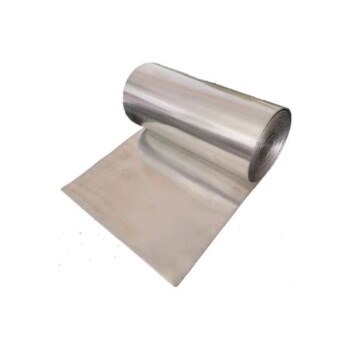
High Purity Zinc Foil for Battery Lab Applications
There are very few harmful impurities in the chemical composition of zinc foil, and the surface of the product is straight and smooth; it has good comprehensive properties, processability, electroplating colorability, oxidation resistance and corrosion resistance, etc.
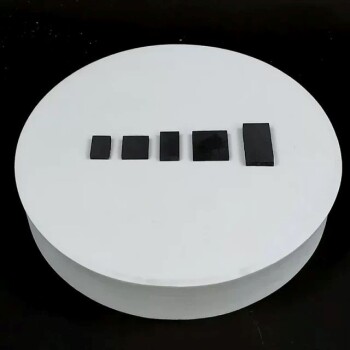
Glassy Carbon Sheet RVC for Electrochemical Experiments
Discover our Glassy Carbon Sheet - RVC. Perfect for your experiments, this high-quality material will elevate your research to the next level.
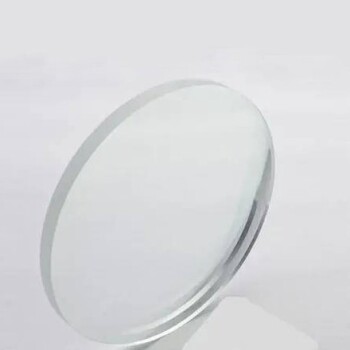
Optical Ultra-Clear Glass Sheet for Laboratory K9 B270 BK7
Optical glass, while sharing many characteristics with other types of glass, is manufactured using specific chemicals that enhance properties crucial for optics applications.
Related Articles
Comprehensive Guide to Optical Windows: Material Properties and Surface Specifications
This article delves into the properties and specifications of optical windows, focusing on material properties, surface quality, and anti-reflection coatings.
Understanding Optical Filters
An overview of optical filters, their types, and applications.
Optical Window Sheet Selection Guide
A comprehensive guide on selecting optical window sheets based on substrate material, optical and mechanical precision, and coating options.
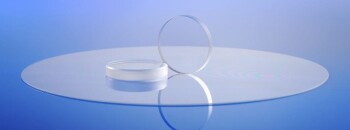
Factors in Selecting Large Optical Windows
Considerations for choosing large optical windows, including material, polishing, and coating.
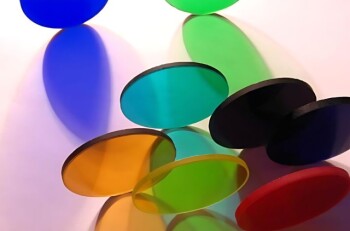
Optical Filter Structures and Construction Methods
An overview of various optical filter structures and their construction methods, focusing on different coating techniques and assembly processes.
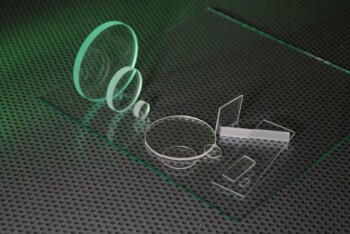
Optical Components: Window Sheets and Their Applications
An overview of various types of optical window sheets, their materials, precision, and coating options.
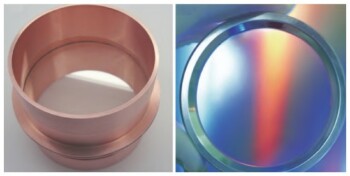
Advancements in Diamond Optical Window-Related Components
Explores the development and applications of diamond optical window components in various fields, including defense, aerospace, and energy.

CVD Diamond Optical Windows: Advancing High-Tech Optical Applications in Extreme Environments
Exploring the benefits of CVD diamond optical windows for high-end applications in extreme environments, including aerospace, military, and scientific research.
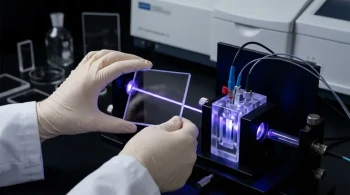
The Fidelity of Light: Preserving the Quartz Interface in Spectroelectrochemistry
The quartz window is the critical interface between your sample and your data. Learn why protecting it from oils, scratches, and solarization is vital for optical accuracy.
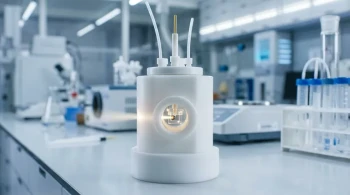
The Fragile Intersection: Mastering the Side-Window Optical Electrolytic Cell
Spectroelectrochemistry combines chemical, electrical, and optical hazards in a delicate vessel. Here is how to master the safety and precision of this complex system.
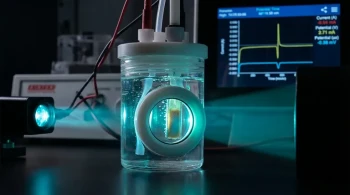
Escaping the Black Box: The Architecture of Insight in Electrochemistry
Unlock the correlation between visible phenomena and electrical data. A deep dive into the engineering and application of side-window optical electrolytic cells.