Toggle Categories
Get Instant Support
Choose your preferred way to connect with our team
-
Get Free Quote Fill out form for detailed pricing
-
Send Email Detailed inquiry support
-
WhatsApp Quick mobile chat
Response Time
Within 8 hours on working days, 24 hours on holidays
Bio-Chem Equipment
KinTek bio-chem equipment comprises rotary evaporators, glass and stainless steel reactors, distillation systems, circulating heaters and chillers, as well as vacuum equipment.


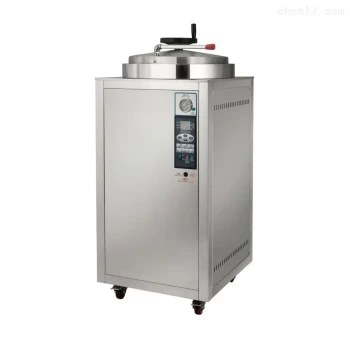
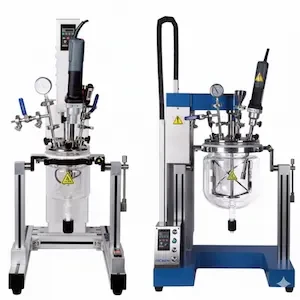
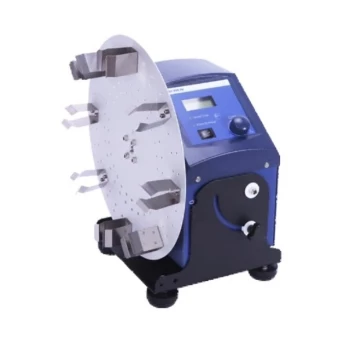

Bio-Chem Equipment
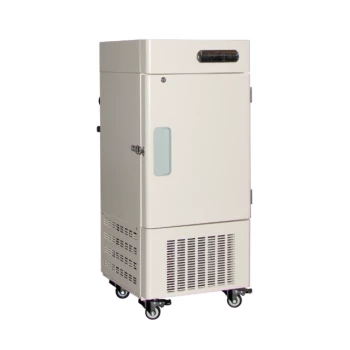
28L Compact Upright Ultra Low Temperature Freezer for Laboratory
Item Number: KTFDV-28

508L Advanced Vertical Ultra Low Temperature Freezer for Critical Laboratory Storage
Item Number: KTFDV-508

608L Essential Laboratory Ultra Low Temperature Freezer For Critical Sample Preservation
Item Number: KTFDV-608

708L Ultra Low Temperature Freezer High Performance Laboratory Freezer
Item Number: KTFDV-708

808L Precision Laboratory Vertical Ultra Low Temperature Freezer
Item Number: KTFDV-808

938L Vertical Ultra Low Temperature Freezer for Advanced Laboratory Storage
Item Number: KTFDV-938
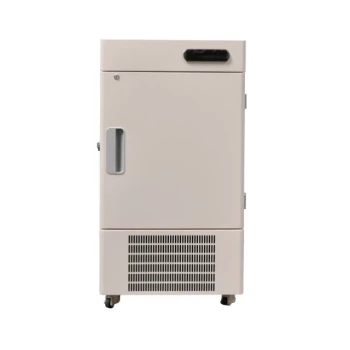
58L Precision Laboratory Ultra Low Temperature Upright Freezer for Critical Sample Storage
Item Number: KTFDV-58X
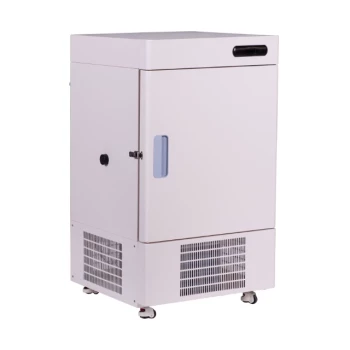
108L Vertical Ultra Low Temperature ULT Freezer
Item Number: KTFDV-108
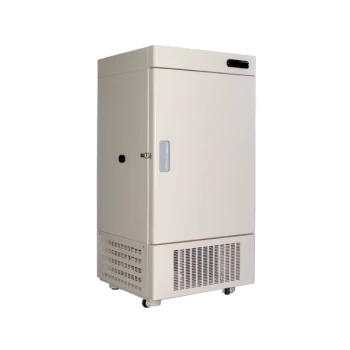
208L Advanced Precision Laboratory Ultra Low Temperature Freezer for Cold Storage
Item Number: KTFDV-208
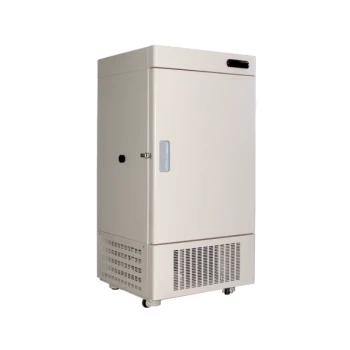
308L Precision Ultra Low Temperature Freezer for Laboratory Applications
Item Number: KTFDV-308

158L Precision Vertical Ultra Low Freezer for Laboratory Applications
Item Number: KTFDV-158
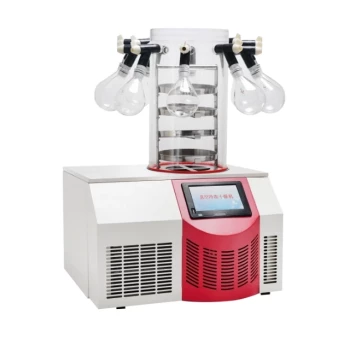
High Performance Laboratory Freeze Dryer
Item Number: KTFD-10P
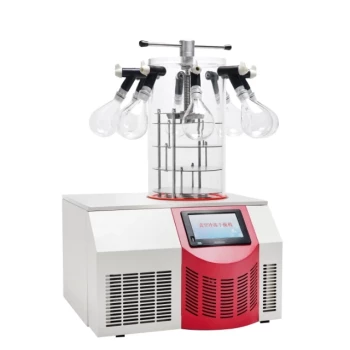
Benchtop Laboratory Freeze Dryer for Lab Use
Item Number: KTFD-10PT
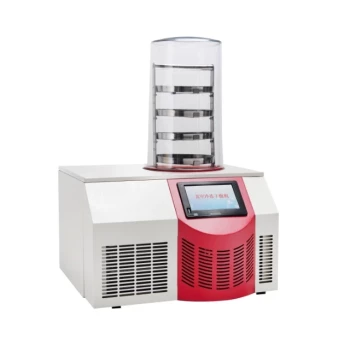
Benchtop Laboratory Vacuum Freeze Dryer
Item Number: KTFD-10S
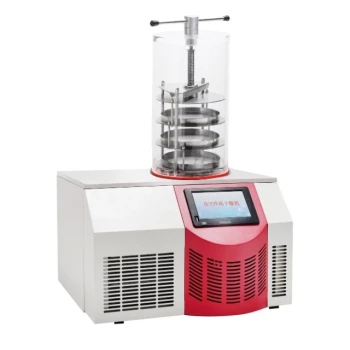
High Performance Laboratory Freeze Dryer for Research and Development
Item Number: KTFD-10T


Visual High-Pressure Reactor for In-Situ Observation
Item Number: KT-VHPR

Mini SS High Pressure Autoclave Reactor for Laboratory Use
Item Number: KV-3H
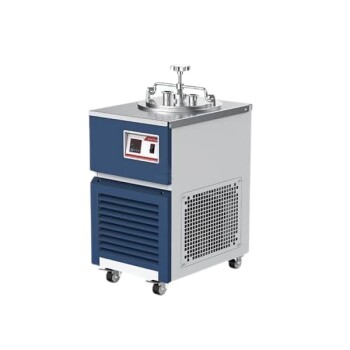
Vacuum Cold Trap Direct Cold Trap Chiller
Item Number: KCT-1
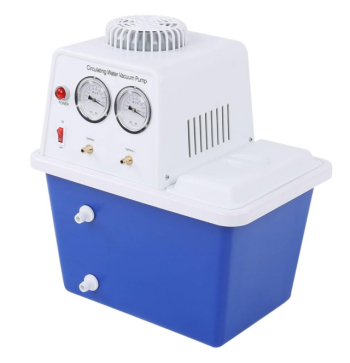
Circulating Water Vacuum Pump for Laboratory and Industrial Use
Item Number: KT-VWP
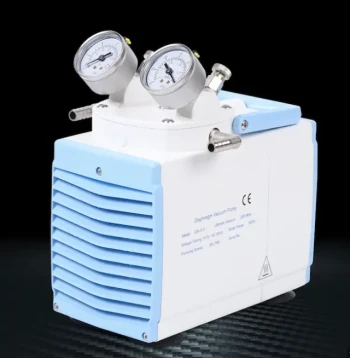
Oil Free Diaphragm Vacuum Pump for Laboratory and Industrial Use
Item Number: KT-VP
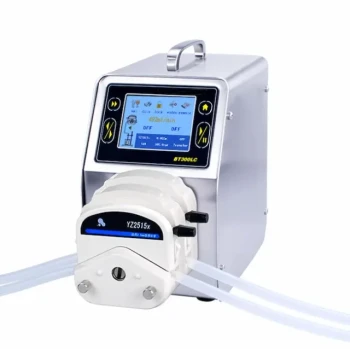
Variable Speed Peristaltic Pump
Item Number: KT-VSP
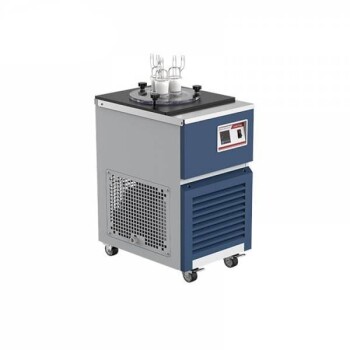
Vacuum Cold Trap Chiller Indirect Cold Trap Chiller
Item Number: KCT-2
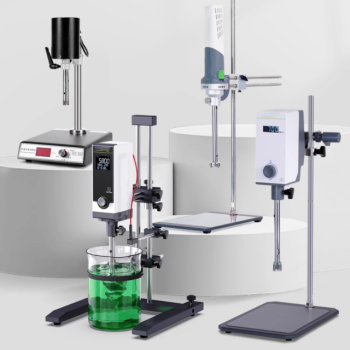
High Shear Homogenizer for Pharmaceutical and Cosmetic Applications
Item Number: COA-7
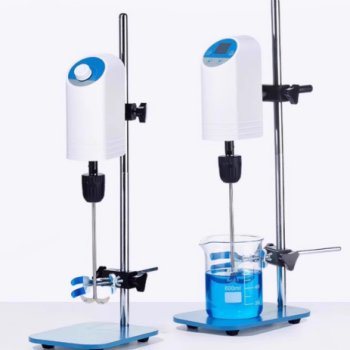
High Performance Laboratory Stirrers for Diverse Applications
Item Number: KTL-9

Lab Sterile Slapping Type Homogenizer for Tissue Mashing and Dispersing
Item Number: KTL-6
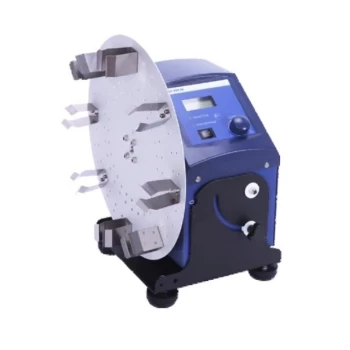
Laboratory Disc Rotary Mixer for Efficient Sample Mixing and Homogenization
Item Number: KTL-7


High-Speed Desktop Centrifuge for Blood Sample Processing
Item Number: KT-HPD

REQUEST A QUOTE
Our professional team will reply to you within one business day. Please feel free to contact us!
Related Articles

Why Your High-Strength Brazed Joints Are Failing—And How to Fix It Permanently
Tired of inconsistent, weak, or failed brazed joints? Discover the invisible root cause of failure and learn how vacuum brazing provides a permanent solution.
The Architecture of Emptiness: Why Vacuum Level is a Decision, Not Just a Number
Vacuum levels define material purity. We explore the engineering trade-offs between rough vacuum and ultra-high vacuum, and how to choose the right system.
The Invisible Trade-off: Balancing Speed and Purity in Vacuum Quenching
Nitrogen offers speed; Argon offers purity. Discover the engineering psychology behind choosing the right quenching gas to balance cost against metallurgical integrity.
The Invisible 90%: Why Spectroelectrochemistry Succeeds Before It Begins
Experimental success isn't just about the reaction; it's about the vessel. Master the 4-step preparation protocol for optical electrolytic cells to ensure data integrity.
The Fidelity of Light: Preserving the Quartz Interface in Spectroelectrochemistry
The quartz window is the critical interface between your sample and your data. Learn why protecting it from oils, scratches, and solarization is vital for optical accuracy.
The Art of the Finish: Why the Most Critical Moment Happens After the Data is Collected
The experiment isn't over when the data is saved. Learn the psychological and technical art of shutting down and cleaning optical electrolytic cells.
The Symphony of Silence: Molybdenum and the Architecture of the Vacuum Hot Zone
Why do we trust Molybdenum in the most extreme environments? Explore the engineering logic behind all-metal hot zones and the pursuit of absolute purity.
Risk-Proof Your Lab: How to Choose a Vacuum Pump That Avoids Costly Failures
Learn how to choose reliable lab vacuum pumps to avoid costly failures. Assess chemical risks, throughput needs & safety for optimal performance.
How to Select the Right Oil-Free Diaphragm Pump for Your Lab or Industrial Needs
Learn how to choose the right oil-free diaphragm pump for your lab or industry—balancing specs, chemical resistance, and lifetime costs.
How to Choose Laboratory Vacuum Pumps for Maximum Efficiency and Cost Savings
Learn how to choose the right lab vacuum pump for efficiency & cost savings. Compare oil-sealed vs. oil-free pumps & future-proof your investment.
How to Choose and Optimize Water Circulating Vacuum Pumps for Your Lab
Learn how to choose and optimize water circulating vacuum pumps for lab applications, balancing efficiency and reliability.
Water Circulating Vacuum Pumps: A Practical Guide for Laboratory Applications
Discover the benefits of water circulating vacuum pumps for labs: chemical safety, low maintenance, and explosion-proof operation. Ideal for sensitive applications.
How Vacuum Induction Melting Prevents Catastrophic Material Failures in Critical Components
Discover how Vacuum Induction Melting (VIM) prevents material failures in aerospace, nuclear, and EV components by eliminating atomic-level contamination.
How Vacuum Induction Melting Elevates High-Performance Alloy Production
Discover how Vacuum Induction Melting (VIM) enhances alloy purity, reduces defects, and optimizes costs for aerospace and energy sectors.
How Vacuum Induction Melting Ensures Unmatched Reliability in Critical Industries
Vacuum induction melting (VIM) ensures metallurgical purity, durability, and efficiency in aerospace, nuclear, and critical industries. Learn why VIM outperforms traditional methods.
How Freeze-Drying Cuts Transport Costs by 90% in Critical Logistics
Freeze-drying slashes transport costs by 90% in logistics for space, military, and disaster relief by reducing weight and volume. Learn how it works.
Freeze-Drying Decoded: The Science Behind Preserving Food, Medicine, and Research Materials
Discover how freeze-drying preserves food, medicine, and research materials with unmatched efficiency. Learn the science behind lyophilization and its applications.
Why Freeze-Drying is Indispensable for Preserving Sensitive Samples
Freeze-drying preserves sensitive samples by sublimation, maintaining molecular integrity and enabling stable, room-temperature storage. Essential for proteins, vaccines, and volatile compounds.
How Freeze-Drying Protects Delicate Biological Structures During Water Removal
Freeze-drying preserves biological samples by removing water without structural damage, ideal for vaccines, enzymes, and microbial cultures. Learn how it works.
How Laboratory Freeze Dryers Outperform Alternatives in Pharma, Food, Biotech & Research
Discover how lab freeze dryers outperform traditional methods in pharma, food, biotech & research—preserving potency, nutrients & integrity.