A 0.45 µm PTFE syringe filter acts as a critical defensive barrier for analytical instruments analyzing biomass hydrolysates. It functions by physically trapping microscopic unreacted fibers, catalyst particles, and macromolecular precipitates before they can enter the system. This simple step prevents particulate matter from clogging high-precision injection systems, specifically in High-Performance Liquid Chromatography (HPLC) units.
Biomass hydrolysates are inherently complex fluids containing significant particulate matter that can rapidly degrade sensitive instrumentation. The use of a chemically inert 0.45 µm PTFE filter is essential to decouple physical contaminants from the liquid sample, ensuring both the accuracy of sugar analysis and the longevity of the analytical hardware.
The Nature of the Contaminant Threat
The Composition of Hydrolysates
Biomass hydrolysates are rarely pure liquids immediately after processing. They contain significant amounts of suspended solids that are often invisible to the naked eye.
These contaminants typically include microscopic unreacted fibers, residual catalyst particles, and macromolecular precipitates.
The Vulnerability of Precision Systems
Analytical instruments, particularly High-Performance Liquid Chromatography (HPLC) units, rely on high-precision injection systems. These systems utilize extremely narrow flow paths and capillaries to process samples.
If unfiltered hydrolysate enters this system, the particulates can settle and accumulate. This leads to severe blockages that disrupt flow and damage internal components.
Why 0.45 µm PTFE is the Standard
The Role of Chemical Inertness
The primary reference highlights the use of PTFE (Polytetrafluoroethylene) because it is chemically inert.
Biomass hydrolysates can vary in pH and chemical composition. An inert filter ensures that the filter material itself does not react with the sample matrix, preventing the introduction of new impurities or the absorption of target analytes.
The Filtration Cutoff
The 0.45 µm pore size is the industry standard for HPLC sample preparation.
This specific size is small enough to capture the microscopic fibers and precipitates mentioned earlier, yet large enough to allow the liquid phase (containing the dissolved sugars) to pass through efficiently.
Operational Benefits
Ensuring Data Integrity
Filtration is not just about hardware protection; it is about results. By removing solids, you ensure the accuracy of sugar analysis.
Particulates can cause baseline noise or ghost peaks in chromatograms, leading to incorrect quantification of the sugars present in the hydrolysate.
Extending Equipment Lifespan
Routine maintenance on HPLC systems is costly and time-consuming.
Pre-filtering drastically reduces the frequency of injector maintenance and column replacement. It extends the service life of the instrument by preventing physical abrasion and clogging.
Understanding the Trade-offs
Risk of Filter Clogging
While the filter protects the instrument, the filter itself is prone to saturation.
If the hydrolysate is exceptionally high in solids, the 0.45 µm membrane may clog rapidly. This can create high backpressure during the manual filtration process, requiring significant force to push the sample through.
Potential for Analyte Retention
Although PTFE is inert, the physical matrix of a filter can sometimes retain a tiny volume of liquid (hold-up volume).
For extremely small sample sizes, this loss must be accounted for to ensure there is enough filtrate for the injection vial.
Making the Right Choice for Your Goal
To maximize the effectiveness of your analysis, consider these strategic priorities:
- If your primary focus is Data Accuracy: Ensure the filter is chemically compatible (PTFE) to prevent the filter housing or membrane from leaching interfering chemicals into your sugar analysis.
- If your primary focus is Instrument Longevity: Never skip filtration, even if the sample looks clear, as microscopic catalyst particles are a leading cause of injector seal failure.
Consistent use of inert filtration is the single most effective low-cost protocol for preserving high-value analytical assets.
Summary Table:
| Feature | Specification/Benefit | Impact on Analysis |
|---|---|---|
| Pore Size | 0.45 µm | Captures microscopic fibers and catalyst particles |
| Membrane Material | PTFE (Polytetrafluoroethylene) | Chemically inert; prevents sample contamination |
| Target Contaminants | Suspended solids & precipitates | Prevents injector clogs and capillary blockages |
| Analytical Benefit | Baseline noise reduction | Enhances precision in sugar and analyte quantification |
| Hardware Benefit | Extended equipment lifespan | Reduces maintenance costs and column replacements |
Maximize Your Lab's Analytical Precision with KINTEK
Don't let particulate contaminants compromise your research or damage expensive hardware. KINTEK specializes in high-performance laboratory equipment and consumables, providing the reliability you need for complex sample preparation.
Whether you are performing biomass analysis or high-pressure synthesis, our portfolio—including 0.45 µm PTFE filters, high-temperature high-pressure reactors, and specialized PTFE consumables—is designed to deliver exceptional chemical resistance and durability. Partner with us to streamline your workflow and protect your investment in analytical instrumentation.
Contact KINTEK today to find the perfect filtration and reactor solutions for your lab!
References
- Nicola Di Fidio, Claudia Antonetti. Multi-Step Exploitation of Raw Arundo donax L. for the Selective Synthesis of Second-Generation Sugars by Chemical and Biological Route. DOI: 10.3390/catal10010079
This article is also based on technical information from Kintek Solution Knowledge Base .
Related Products
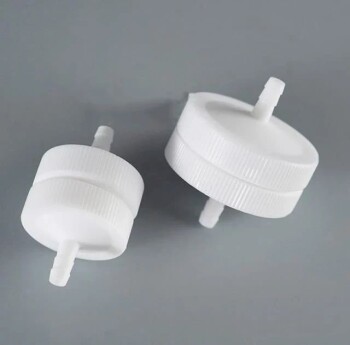
- Custom PTFE Teflon Parts Manufacturer for Sampling Filters
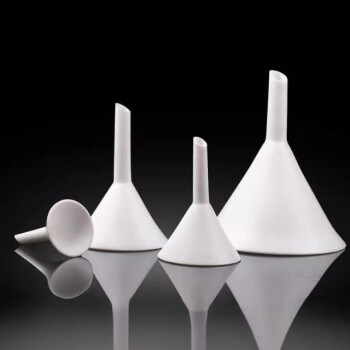
- Custom PTFE Teflon Parts Manufacturer for PTFE Buchner Funnel and Triangular Funnel
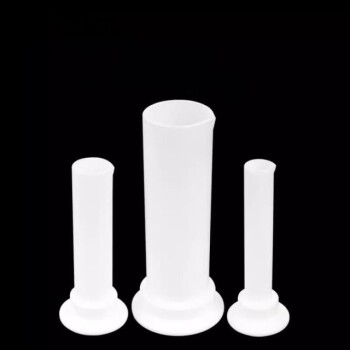
- Custom PTFE Teflon Parts Manufacturer for PTFE Measuring Cylinder 10/50/100ml
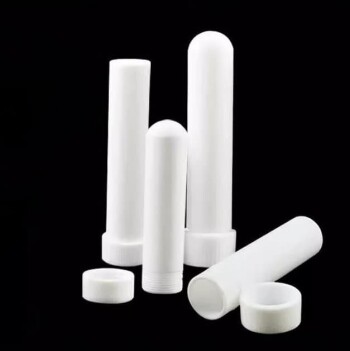
- Custom PTFE Teflon Parts Manufacturer for Centrifuge Tubes
People Also Ask
- What are the advantages of using PTFE filters for ionic component analysis? Ensure Accurate Sample Quantification
- Why are PTFE membrane filters selected for rice husk fractionation? Ensuring Purity in Harsh Separation Stages
- Is PTFE corrosion resistant? Discover the Ultimate Chemical Resistance for Your Lab
- What are the specific applications of PTFE in micro-batch slug flow systems? Enhance Your Microfluidic Reaction Purity
- How is PTFE utilized for insulation in Alloy 22 corrosion setups? Ensure Signal Purity & Accuracy