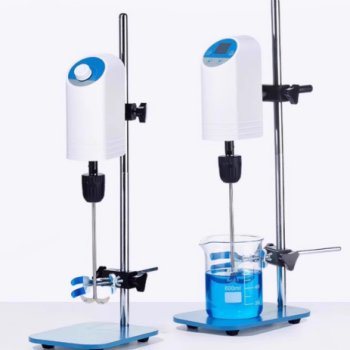
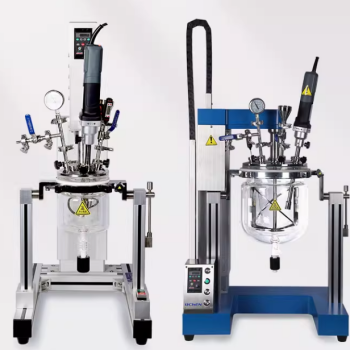
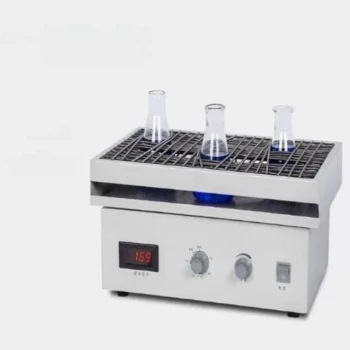
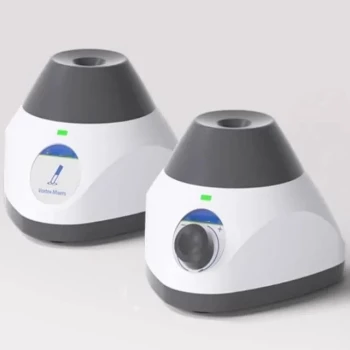
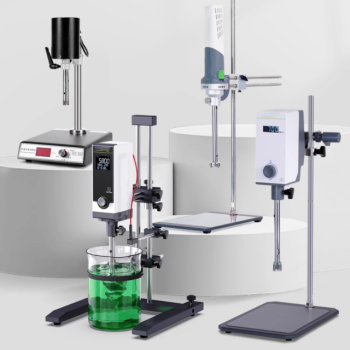
A high-power adjustable speed mixer serves as the dynamic driver in corrosion testing by actively rotating a refractory sample within a bath of high-temperature melt. Instead of allowing the material to sit statically, the mixer spins the sample at controlled rates—such as 60 revolutions per minute—to mechanically replicate the flow velocity of glass liquids experienced in actual industrial furnaces.
Core Takeaway The primary value of this method is its ability to simulate the synergy of chemical and physical wear. By introducing motion, the test evaluates not just how a material reacts chemically, but how it withstands the physical scouring of moving liquid, providing a realistic prediction of lifespan in high-wear zones.
The Mechanics of Realistic Simulation
Mimicking Industrial Flow
In a standard static test, a refractory brick simply sits in a corrosive liquid. However, industrial furnaces involve constant movement.
The high-power mixer bridges this gap by rotating the sample. This rotation generates a relative velocity between the refractory material and the molten glass, simulating the flow conditions of a working furnace.
Precision Control via Adjustable Speed
The "adjustable" nature of the mixer is critical for accuracy. Different parts of a furnace experience different flow rates.
By setting the mixer to specific speeds, such as 60 rev/min, engineers can tailor the test to mimic specific operational environments. This ensures the test data is relevant to the actual hydrodynamic forces the material will face.
The Dual-Stress Evaluation
Combining Corrosion and Scouring
The mixer enables the generation of two simultaneous destructive forces: chemical corrosion and physical scouring.
Chemical corrosion occurs as the melt reacts with the refractory. Physical scouring occurs as the fluid physically washes over the surface, stripping away reacted layers and exposing fresh material to further attack.
Testing for Severe Environments
This dynamic method is particularly vital for evaluating materials destined for overflow areas.
These zones experience high turbulence and rapid flow. A material that passes a static chemical test might fail rapidly under these conditions due to erosion. The mixer effectively stresses the material to reveal these physical weaknesses before installation.
Understanding the Trade-offs
Mechanical Complexity vs. Data Quality
While this method provides superior data, it introduces mechanical complexity. The system requires a high-power motor to maintain consistent speeds like 60 rpm against the significant resistance (viscosity) of the molten glass.
The Sensitivity of Simulation
The accuracy of the results is highly dependent on the speed settings.
If the rotation speed does not accurately reflect the target industrial velocity, the abrasion rates will be skewed. This requires precise calibration to ensure the laboratory simulation aligns with the specific furnace environment being modeled.
Making the Right Choice for Your Goal
When interpreting results from a dynamic corrosion test using a high-power mixer, consider your specific application needs:
- If your primary focus is predicting lifespan in high-flow zones: Prioritize materials that demonstrate resistance to the physical scouring effects generated at higher rotation speeds (e.g., 60 rpm).
- If your primary focus is standard tank lining: Ensure the test speed was adjusted to match the slower, laminar flow typical of those regions to avoid over-engineering the solution.
The ultimate goal is to select a material that withstands the combined forces of chemistry and motion, ensuring reliability in the harshest areas of your process.
Summary Table:
| Feature | Function in Dynamic Corrosion Testing | Benefit for Laboratory Analysis |
|---|---|---|
| Rotational Drive | Actively spins samples (e.g., 60 RPM) in high-temp melt | Mimics industrial glass liquid flow velocity |
| Adjustable Speed | Precise control of revolution rates | Tailors tests to specific furnace hydrodynamic forces |
| Dual-Stress Synergy | Combines chemical reaction with physical scouring | Predicts lifespan in high-wear and overflow zones |
| High-Power Motor | Maintains consistent speed against high viscosity | Ensures data accuracy despite fluid resistance |
Elevate Your Material Research with KINTEK
Precision is paramount when simulating the harsh environments of industrial furnaces. KINTEK specializes in advanced laboratory equipment designed to withstand the rigors of high-temperature research. From high-power mixers and crushing systems to our industry-leading high-temperature furnaces, reactors, and specialized ceramics, we provide the tools you need for accurate dynamic testing.
Ensure your refractory materials can handle both chemical corrosion and physical scouring. Contact KINTEK today to discover how our comprehensive range of high-performance lab solutions can enhance your process reliability and testing accuracy.
References
- S. M. Shaydullin, Sergey A. Lukin. Corrosion testing of prospective chrome refractory materials in borosilicate glass melts. DOI: 10.15826/elmattech.2024.3.031
This article is also based on technical information from Kintek Solution Knowledge Base .
Related Products
- High Performance Laboratory Stirrers for Diverse Applications
- High Performance Lab Homogenizer for Pharma Cosmetics and Food R&D
- Laboratory Multifunctional Small Speed-Adjustable Horizontal Mechanical Shaker for Lab
- Laboratory Vortex Mixer Orbital Shaker Multifunctional Rotation Oscillation Mixer
- High Shear Homogenizer for Pharmaceutical and Cosmetic Applications
People Also Ask
- How does a laboratory stirrer influence MOF product quality? Master Precision in Non-Solvothermal Synthesis
- What critical role does a Laboratory Stirrer play during leaching? Enhance Titanium-Magnesium Waste Recovery
- What is the primary function of laboratory stirring equipment in the preparation of compost leachate? Optimize Extraction
- What is a laboratory mixer? A Guide to Achieving Perfect Sample Homogeneity
- What is a laboratory mixer used for? Choose the Right Tool for Liquids or Solids