The use of a PTFE-lined stainless steel autoclave is essential for creating high-performance BiV-CoFe hybrids. It provides a sealed environment where temperatures can exceed the atmospheric boiling point, significantly increasing solvent reactivity. This high-pressure state facilitates the stable coupling of cobalt ferrite (CoFe₂O₄) nanoparticles onto bismuth vanadate (BiVO₄), resulting in chemically stable magnetic heterostructures that cannot be synthesized at standard pressure.
The PTFE-lined autoclave serves as a critical reactor that combines high-pressure thermal energy with chemical inertness to ensure the uniform growth and high purity of BiV-CoFe magnetic heterostructures.
Enhancing Reactivity through Subcritical Environments
Achieving Elevated Vapor Pressure
Hydrothermal synthesis within a sealed autoclave allows solvents to reach temperatures well above their normal boiling points. This process increases the internal vapor pressure, which significantly enhances the solubility of precursors like bismuth and cobalt.
Facilitating Stable Heterostructure Coupling
The high-pressure conditions generated at temperatures such as 120°C are vital for the formation of BiV-CoFe hybrids. This environment provides the kinetic energy necessary to bond cobalt ferrite nanoparticles securely to the bismuth vanadate surface, ensuring a stable magnetic heterostructure.
Accelerating Reaction Kinetics
Increased pressure and temperature within the autoclave accelerate the reaction rate of the precursors. This allows for a more efficient synthesis process compared to open-air methods, facilitating full decomposition and nucleation of the raw materials.
Ensuring Material Purity and Structural Integrity
The Importance of Chemical Inertness
The PTFE (polytetrafluoroethylene) liner is chosen for its exceptional resistance to corrosive chemicals. In the synthesis of BiV-CoFe, which often involves acidic or reactive precursors, the liner protects the stainless steel shell from degradation.
Eliminating Metal Ion Contamination
By acting as a physical barrier, the PTFE liner prevents the reaction liquid from leaching metal ions from the stainless steel walls. This ensures the high purity of the resulting BiV-CoFe powder, which is critical for maintaining the material's specific magnetic and photocatalytic properties.
Controlled Nucleation and Uniformity
The stable, closed environment allows for precise control over the nucleation and growth of nanostructures. Maintaining a constant temperature for extended periods ensures that the cobalt ferrite particles are distributed uniformly across the bismuth vanadate substrate.
Understanding the Trade-offs
Temperature and Pressure Limitations
While PTFE is highly inert, it has a functional temperature limit, typically around 200°C to 250°C. Exceeding these temperatures can lead to the deformation of the liner or the release of toxic vapors, requiring careful monitoring of the thermal profile.
Cooling and Pressure Release Risks
The transition from high-pressure synthesis to room temperature must be managed carefully. Rapid cooling or premature venting can disrupt the crystal structure of the BiV-CoFe hybrid or lead to safety hazards due to the stored energy within the vessel.
How to Apply This to Your Project
When selecting or operating a PTFE-lined autoclave for hybrid material synthesis, consider your primary objective for the final product.
- If your primary focus is Maximum Purity: Ensure the PTFE liner is thoroughly cleaned and inspected for scratches, as any breach in the lining will introduce stainless steel contaminants into your BiV-CoFe sample.
- If your primary focus is Structural Stability: Prioritize longer dwell times at subcritical temperatures to allow for the complete and stable anchoring of magnetic nanoparticles onto the bismuth vanadate surface.
By leveraging the unique high-pressure environment of a PTFE-lined autoclave, you can achieve the precise chemical coupling and high phase purity required for advanced BiV-CoFe hybrid materials.
Summary Table:
| Key Feature | Mechanism in Synthesis | Benefit for BiV-CoFe Hybrids |
|---|---|---|
| High Vapor Pressure | Increases solvent reactivity | Facilitates stable coupling of CoFe₂O₄ onto BiVO₄ |
| PTFE Liner | Provides chemical inertness | Eliminates metal ion contamination; ensures high purity |
| Sealed Environment | Subcritical hydrothermal conditions | Accelerates reaction kinetics and precursor nucleation |
| Thermal Stability | Precise temperature control | Ensures uniform growth and stable magnetic heterostructures |
Elevate Your Material Synthesis with KINTEK Precision
Unlock the full potential of your hydrothermal research with KINTEK’s premium laboratory solutions. Whether you are developing advanced BiV-CoFe magnetic heterostructures or exploring new photocatalytic materials, our high-performance high-temperature high-pressure reactors and autoclaves provide the stability and purity your project demands.
Beyond reactors, KINTEK offers a comprehensive ecosystem for the modern lab, including:
- High-Temperature Furnaces: Muffle, tube, and vacuum systems for precise thermal processing.
- Sample Preparation: Advanced crushing, milling, and hydraulic pellet presses.
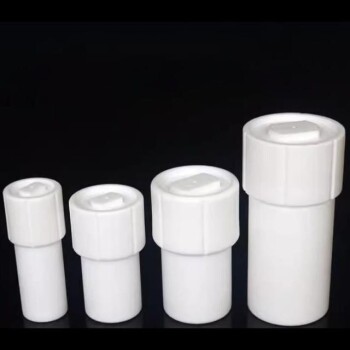
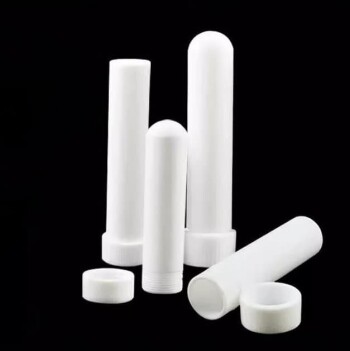
- Specialized Consumables: High-purity PTFE products, ceramics, and crucibles tailored for corrosive environments.
- Advanced Research Tools: Battery research consumables, electrolytic cells, and cooling solutions.
Ready to optimize your synthesis workflow? Contact our technical experts today to find the perfect equipment for your specific application and experience the KINTEK advantage in reliability and innovation.
References
- Ana C. Estrada, Tito Trindade. BiVO4-Based Magnetic Heterostructures as Photocatalysts for Degradation of Antibiotics in Water. DOI: 10.3390/iocn2023-14532
This article is also based on technical information from Kintek Solution Knowledge Base .
Related Products
- Stainless High Pressure Autoclave Reactor Laboratory Pressure Reactor
- Mini SS High Pressure Autoclave Reactor for Laboratory Use
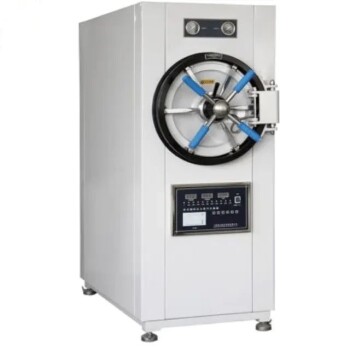
- Laboratory High Pressure Horizontal Autoclave Steam Sterilizer for Lab Use
- Desktop Fast High Pressure Laboratory Autoclave Sterilizer 16L 24L for Lab Use
- Portable High Pressure Laboratory Autoclave Steam Sterilizer for Lab Use
People Also Ask
- Why is a laboratory high-pressure reactor necessary for synthesizing fly ash-based zeolite? Achieve Pure Crystallization
- Why is a laboratory high-pressure reactor used in the hydrothermal synthesis of hydroxyapatite catalysts?
- What role does a laboratory high-pressure reactor play in the leaching process of spent cathode materials? Optimize Recovery
- What conditions do laboratory high-pressure reactors provide for HTC? Optimize Your Biochar Production Processes
- How are high-pressure reactors used to prepare metaphosphate electrocatalysts? Master In-Situ Precursor Growth