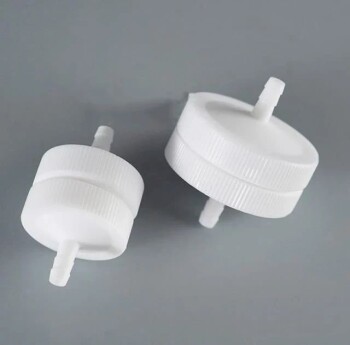
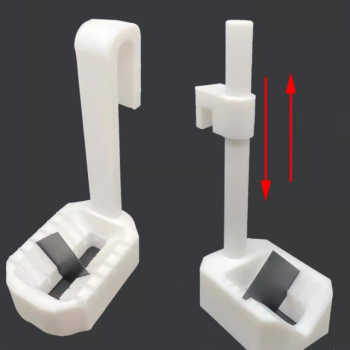
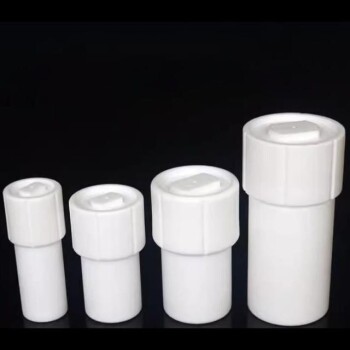
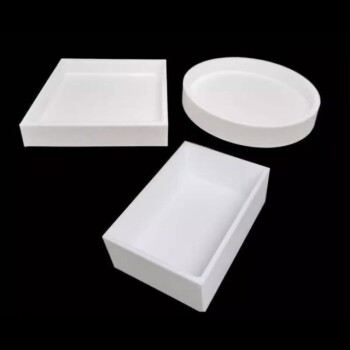
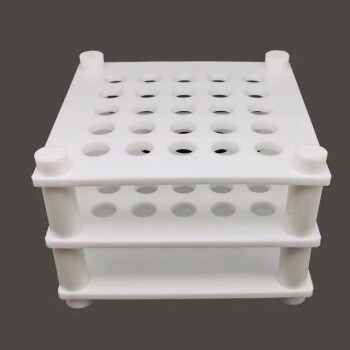
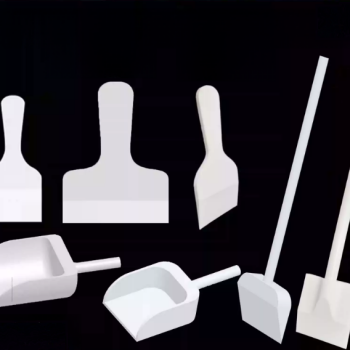
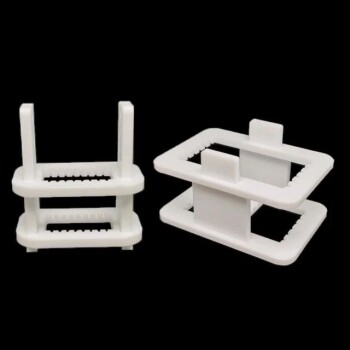
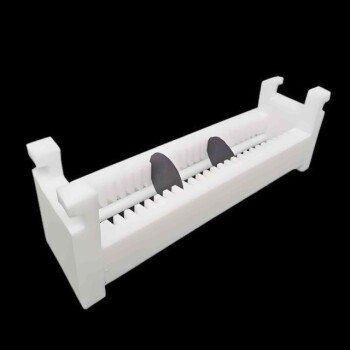
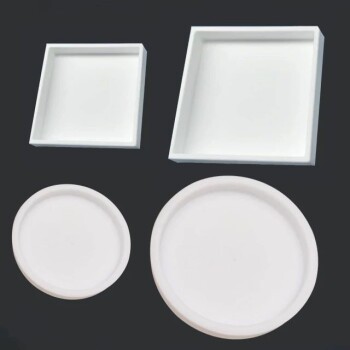
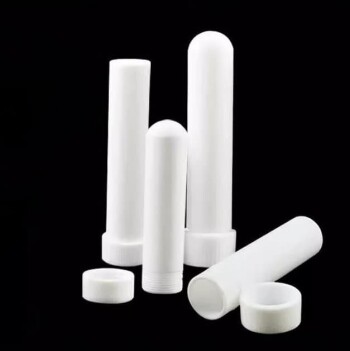
High-purity PTFE consumables provide a unique combination of absolute chemical inertness and extreme surface integrity. This allows them to withstand the harshest corrosive environments—such as concentrated acids and bases—without leaching impurities or degrading structurally. Consequently, they are the gold standard for maintaining the integrity of trace analysis and high-purity chemical synthesis.
High-purity PTFE is the definitive solution for corrosive media because it eliminates the risk of vessel-induced contamination while ensuring structural reliability at high temperatures. Its non-reactive nature and low surface energy safeguard both the purity of the sample and the longevity of the laboratory equipment.
The Foundation of Chemical Inertness
Universal Resistance to Corrosive Agents
High-purity PTFE (polytetrafluoroethylene) is almost completely non-reactive with nearly all organic and inorganic chemicals. It effectively resists erosion from strong acids, strong bases, and aggressive organic solvents, which would typically degrade glass or lower-grade plastics.
Prevention of Vessel Decomposition
In highly corrosive environments, standard containers may decompose and release structural impurities into the reaction. PTFE’s dense surface structure prevents this decomposition, ensuring the precise component composition of the reaction system remains unaltered.
Structural Stability at Extreme Temperatures
Beyond chemical resistance, PTFE maintains its structural integrity across a broad operating range, withstanding temperatures up to 260°C. This thermal stability is critical for reactions that require both high heat and corrosive reagents to proceed.
Maintaining Absolute Purity and Accuracy
Minimal Impurity Leaching
The leaching of trace elements from a container wall can ruin sensitive experiments. High-purity PTFE is manufactured to have minimal leaching rates, ensuring that no container components migrate into the chemical system.
Essential for Trace Analysis
Because it prevents impurity interference, PTFE is indispensable for trace analysis and high-purity substance synthesis. It meets the most rigorous environmental requirements where even parts-per-billion contamination is unacceptable.
Enhanced Sample Recovery
The material’s extremely low surface energy and non-wetting properties prevent sample adhesion to the container walls. This facilitates the full recovery of viscous solutions, which is particularly vital in biomedical fields like the preparation of PMMA/PEG nanocomposites.
Operational Advantages and Longevity
Non-Stick and Low-Friction Surfaces
The low coefficient of friction and lubricity of PTFE make these consumables exceptionally easy to clean. This reduces the risk of cross-contamination between different experimental batches and simplifies laboratory workflows.
Resistance to Aging and Embrittlement
Unlike many polymers that become brittle over time when exposed to harsh chemicals or UV light, PTFE is resistant to aging and weathering. This longevity provides outstanding corrosion protection and ensures the equipment remains safe to use over many cycles.
Electrical and Safety Benefits
PTFE offers excellent dielectric properties and high flame resistance, providing an additional layer of operational safety. These characteristics make it a reliable choice for complex setups involving both corrosive media and electrical monitoring equipment.
Understanding the Trade-offs
Mechanical Strength Limitations
While PTFE is chemically superior, it is a relatively soft material compared to stainless steel or technical ceramics. It can be susceptible to mechanical deformation (creep) under heavy loads or extreme pressure, which must be accounted for in reactor design.
Thermal Conductivity Constraints
PTFE acts as an insulator and has low thermal conductivity. In large-scale reactions, this can lead to slower heating or cooling cycles compared to metal or glass vessels, potentially requiring specialized heating mantles or longer stabilization times.
Cost and Material Grade
Not all PTFE is "high-purity"; standard grades may contain recycled fillers that compromise chemical resistance. Users must ensure they are sourcing high-purity, virgin PTFE to realize the full benefits of minimal leaching and maximum inertness.
Making the Right Choice for Your Goal
When selecting PTFE consumables for your laboratory or production facility, consider the specific requirements of your application:
- If your primary focus is Trace Analysis: Prioritize virgin, high-purity PTFE to ensure leaching rates remain below detectable limits and prevent data interference.
- If your primary focus is High-Temperature Synthesis: Ensure your PTFE components are rated for the 260°C threshold and monitor for mechanical deformation if the reaction is pressurized.
- If your primary focus is Processing Viscous Media: Leverage PTFE’s low surface tension to maximize product yield and reduce the time spent on vessel cleaning and maintenance.
- If your primary focus is Operational Safety: Utilize the material's flame resistance and dielectric properties to insulate sensitive reactions from electrical or fire hazards.
By aligning the unique properties of high-purity PTFE with your specific chemical requirements, you ensure both the accuracy of your results and the safety of your laboratory environment.
Summary Table:
| Feature | Advantage | Primary Application |
|---|---|---|
| Chemical Inertness | Resists strong acids, bases, and organic solvents | Harsh chemical synthesis |
| High Purity | Minimal leaching of trace element impurities | Trace analysis & cleanroom labs |
| Low Surface Energy | Non-stick surface for easy cleaning and recovery | Processing viscous or precious media |
| Thermal Stability | Maintains integrity up to 260°C | High-temperature corrosive reactions |
| Dielectric Strength | Excellent insulation and flame resistance | Complex electrical/chemical setups |
Elevate Your Lab’s Precision with KINTEK Solutions
Don’t let material degradation or impurity leaching compromise your critical research. KINTEK specializes in high-purity laboratory equipment and consumables, providing the chemical resistance and structural integrity your experiments demand. From virgin PTFE products, technical ceramics, and specialized crucibles to advanced high-temperature high-pressure reactors and autoclaves, we offer the tools necessary for the most challenging chemical environments.
Whether you are conducting sensitive trace analysis or scaling up high-purity synthesis, our portfolio of furnaces, hydraulic presses, and battery research tools is designed to deliver reliability and performance.
Ready to optimize your lab's workflow? Contact our technical experts today to find the perfect high-purity solution tailored to your specific application!
References
- Priyanka Verma, Hiromi Yamashita. Amine Functionalization Within Hierarchically‐Porous Zeotype Framework for Plasmonic Catalysis over PdAu Nanoparticles. DOI: 10.1002/cctc.202201182
This article is also based on technical information from Kintek Solution Knowledge Base .
Related Products
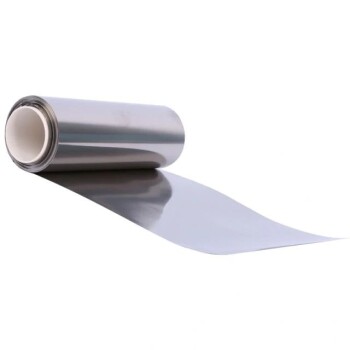
- High-Purity Titanium Foil and Sheet for Industrial Applications
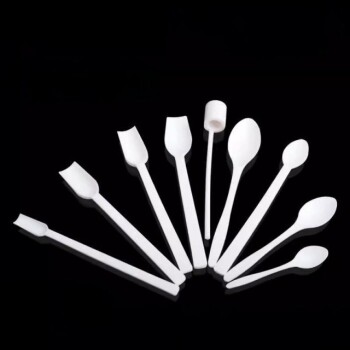
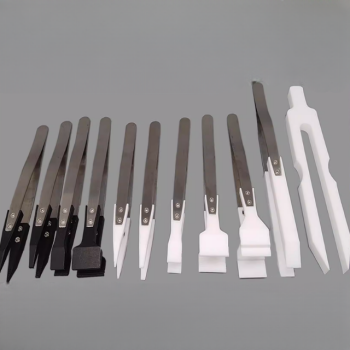
- Custom PTFE Teflon Parts Manufacturer for Sampling Solution Sample and Dry Powder Spoons
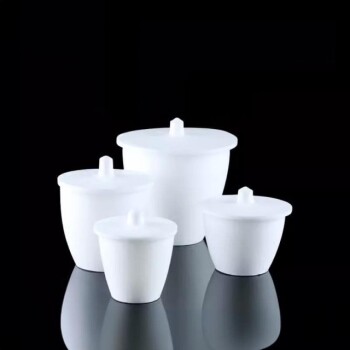
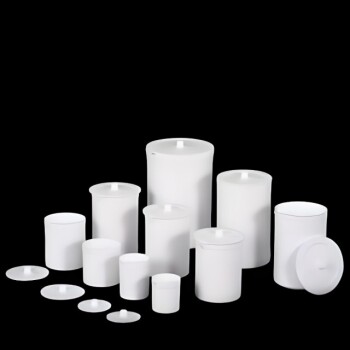
- Custom Machined and Molded PTFE Teflon Parts Manufacturer with PTFE Crucible and Lid
- Custom PTFE Teflon Parts Manufacturer for Reagent Wide Mouth Fine Mouth Sample High Temperature Bottles
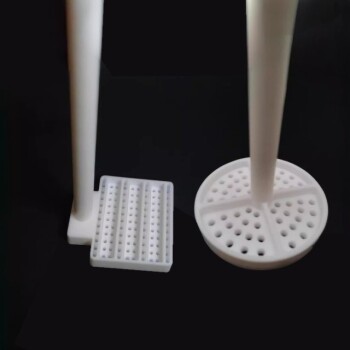
- Custom PTFE Teflon Parts Manufacturer for Hollow Cleaning Basket and Rack Carrier
People Also Ask
- What products are manufactured with titanium? The Ultimate Guide to High-Performance Materials
- What are the advantages of utilizing Polytetrafluoroethylene (PTFE) sheets as casting substrates? | KINTEK Solution
- In what way do portable laboratory consumables like PTFE sheets define a functional workspace? Transform Your Lab Bench
- What are the advantages of using titanium? Achieve Unmatched Strength and Corrosion Resistance
- What are the safety considerations for titanium? From Biocompatible Metal to Fire Hazard