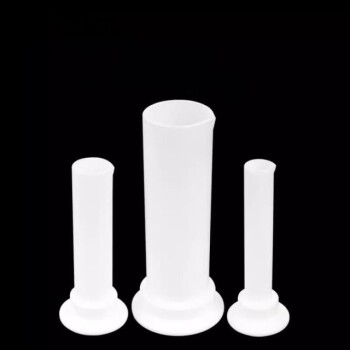
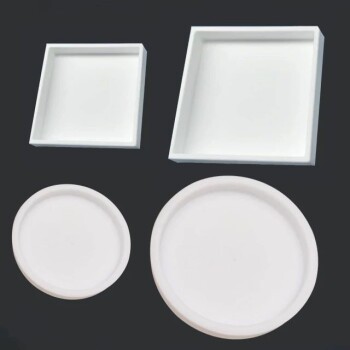
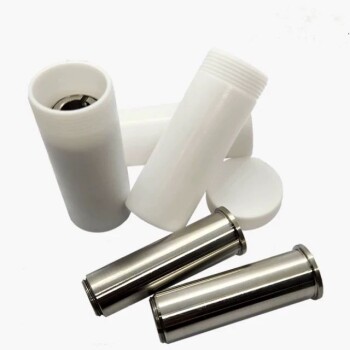
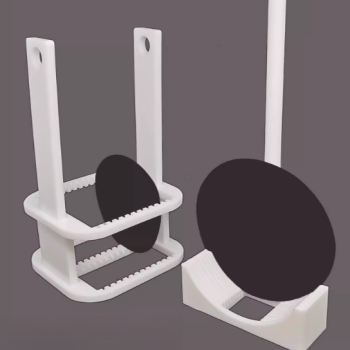
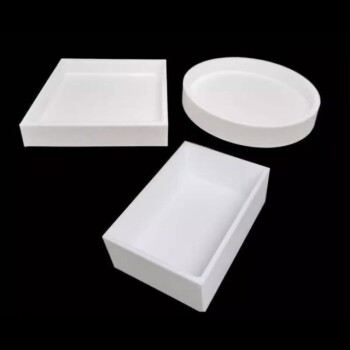
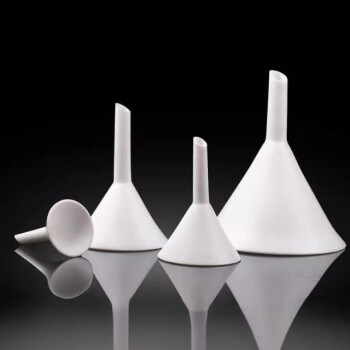
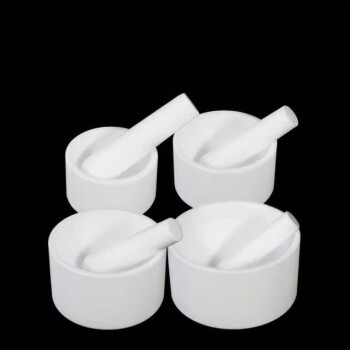
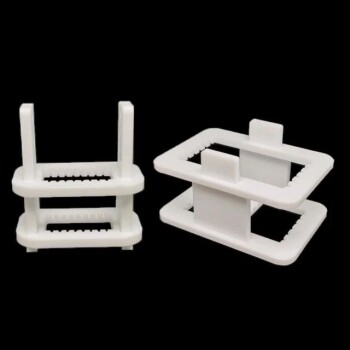
Portable laboratory consumables act as mobile infrastructure. They define a functional workspace by serving as independent carriers that establish specific physical and chemical boundaries for experimental work. Rather than relying on fixed laboratory architecture, materials like PTFE sheets and ceramic plates create self-contained "work zones" where reactions occur, defined strictly by the properties of the consumable rather than the table underneath them.
Core Takeaway The concept of a "workspace" is often static, but portable consumables transform it into a mobile entity. By carrying essential properties like heat resistance or chemical inertness with them, these materials allow you to decouple experimental control from fixed locations, essentially carrying the safety and order of the lab bench wherever the process requires.
The Shift to Mobile Work Zones
Redefining the 'Bench'
Traditionally, a functional workspace is tied to a specific physical location, such as a fume hood or a stone benchtop.
Portable consumables disrupt this by acting as mobile carriers.
When you utilize a PTFE sheet or a ceramic plate, the functional workspace becomes the item itself, allowing the experiment to move independently of the room's fixed infrastructure.
Creating "Living Spaces" for Reactions
The primary reference describes these zones as "living spaces" for chemical reactions and material handling.
This means the consumable provides a localized, controlled environment.
Within the perimeter of a ceramic plate or PTFE sheet, the necessary conditions for the experiment are maintained, isolating the reaction from the uncontrolled environment outside the consumable’s edge.
How Material Properties Establish Boundaries
Physical Limitations as Safety Perimeters
The "functional boundary" of a workspace is defined by where an experiment can safely exist.
For these consumables, the physical properties dictate the boundary.
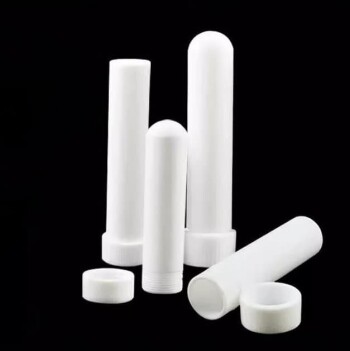
For example, the chemical inertness of a PTFE product creates a safe zone for corrosive materials, establishing a boundary that stops where the material ends.
Enforcing Order Through Resistance
Ceramic plates utilize properties like heat resistance to define the order of the experimental process.
By deploying these materials, you establish specific rules for that zone—such as "high heat is permitted here"—regardless of where that zone is physically placed.
This ensures that the order and safety protocols travel with the sample, rather than requiring the sample to move to a safety station.
Understanding the Trade-offs
Spatial Constraints vs. Mobility
While these consumables offer flexibility, they introduce strict spatial limitations.
A fixed bench offers ample room; a portable "work zone" is limited to the dimensions of the sheet or plate.
You must accept reduced surface area in exchange for the ability to move the experiment.
Reliance on Material Integrity
When the consumable is the workspace, the workspace is only as durable as the consumable.
A scratch on a fixed bench is rarely catastrophic, but a tear in a PTFE sheet destroys the integrity of the entire "work zone."
Regular inspection becomes critical, as the boundary of safety is temporary and subject to wear.
Making the Right Choice for Your Goal
When selecting portable consumables, you are choosing the specific "rules" you want your mobile workspace to enforce.
- If your primary focus is chemical isolation: Select PTFE products to create inert work zones that prevent cross-contamination during material transport.
- If your primary focus is thermal management: Choose ceramic plates to establish high-temperature boundaries that protect underlying surfaces from experimental heat.
By viewing these consumables as defined workspaces rather than simple tools, you gain precise control over your experimental environment anywhere in the lab.
Summary Table:
| Consumable Type | Core Property | Functional Workspace Boundary | Primary Lab Benefit |
|---|---|---|---|
| PTFE Sheets | Chemical Inertness | Corrosion-resistant safety perimeter | Prevents cross-contamination |
| Ceramic Plates | Thermal Resistance | High-temperature tolerance zone | Protects surfaces from heat damage |
| Mobile Carriers | Portability | Decoupled from fixed infrastructure | Flexible, independent work zones |
Elevate Your Research with Precision Consumables from KINTEK
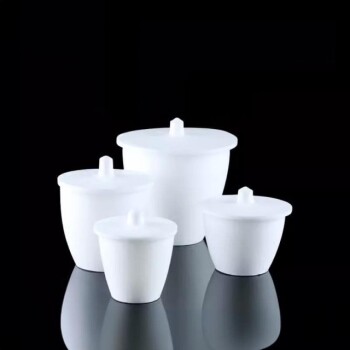
Transform your laboratory's efficiency and safety with KINTEK’s premium range of laboratory consumables. Whether you need high-purity PTFE products for chemical isolation or durable ceramic plates and crucibles for thermal management, we provide the essential building blocks for a functional, mobile workspace.
Our extensive portfolio supports every stage of your workflow—from high-temperature furnaces and hydraulic presses to advanced battery research tools, electrolytic cells, and cooling solutions.
Ready to optimize your experimental environment? Contact our specialists today to discover how our high-quality materials can bring superior order and reliability to your lab.
References
- Katherine Rebecca Davies, Sudhagar Pitchaimuthu. The upsurge of photocatalysts in antibiotic micropollutants treatment: Materials design, recovery, toxicity and bioanalysis. DOI: 10.1016/j.jphotochemrev.2021.100437
This article is also based on technical information from Kintek Solution Knowledge Base .
Related Products
- Custom PTFE Teflon Parts Manufacturer for Hydrothermal Synthesis Reactor Polytetrafluoroethylene Carbon Paper and Carbon Cloth Nano-growth
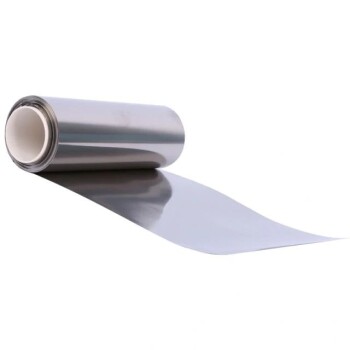
- High-Purity Titanium Foil and Sheet for Industrial Applications
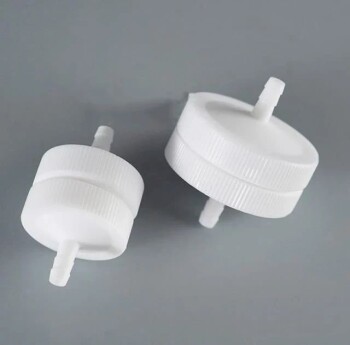
- Custom PTFE Teflon Parts Manufacturer for Sampling Filters
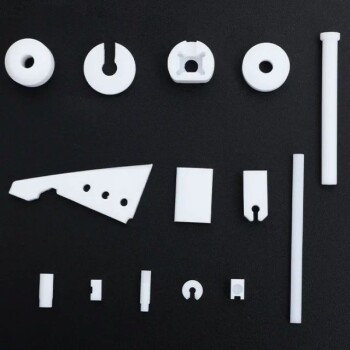
- Custom PTFE Teflon Parts Manufacturer for Non-Standard Insulator Customization
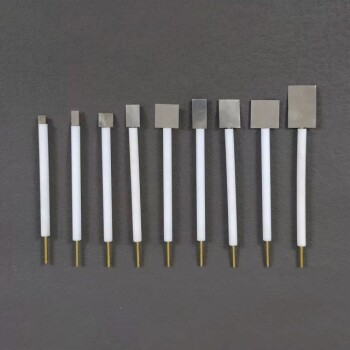
- PTFE Electrolytic Cell Electrochemical Cell Corrosion-Resistant Sealed and Non-Sealed
People Also Ask
- What is the function of a PTFE reactor in MXene etching? Ensure Safe, High-Purity MAX Phase Conversion
- Why is a PTFE reactor required for titanium-based nano-ceramic coating solutions? Ensure Chemical Inertness & Purity
- Why must a Polytetrafluoroethylene (PTFE) reactor be used for Ti3C2TX MXene etching? Ensure Safety and Purity
- Why are PTFE reactors preferred for silver phosphate glass testing? Ensure Purity and Kinetic Accuracy
- What are the advantages of using polytetrafluoroethylene (PTFE) liners in hydrothermal synthesis reactors? High Purity