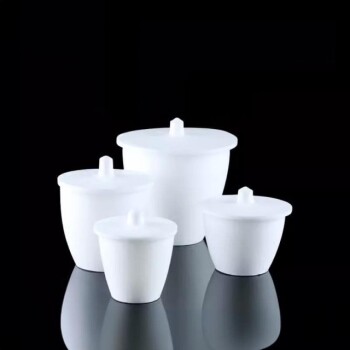
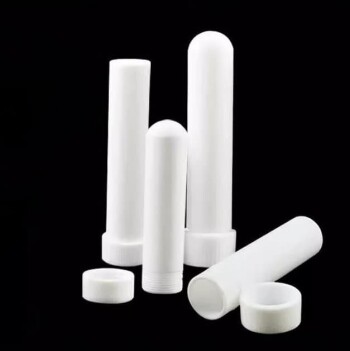
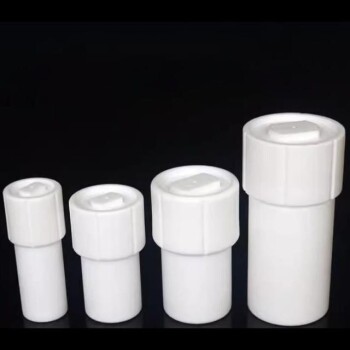
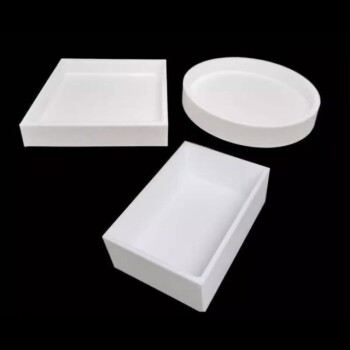
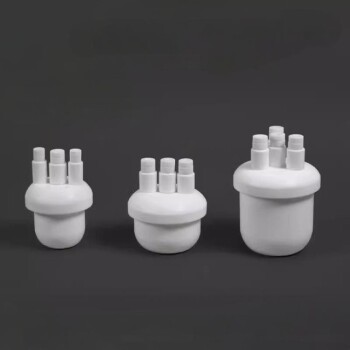
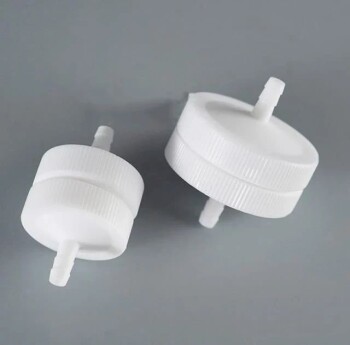
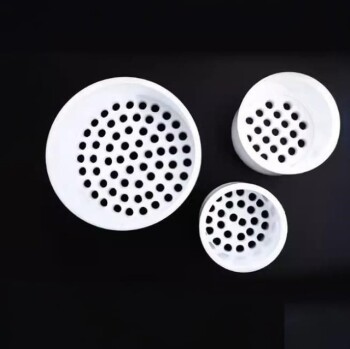
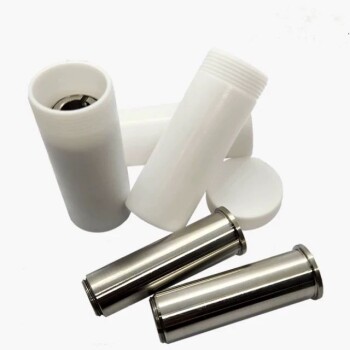
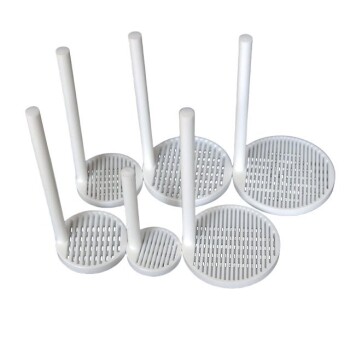
The PTFE liner serves as a critical dual-purpose barrier during the hydrothermal synthesis of NiFe/LDH-NF. It functions by physically isolating corrosive precursor solutions—specifically iron and nickel nitrates—from the stainless steel autoclave shell. This protection simultaneously prevents structural damage to the reactor and ensures the chemical purity of the NiFe/LDH product by blocking metal ion leaching from the equipment walls.
The PTFE liner is indispensable because it maintains a chemically inert environment under high-pressure conditions. It ensures the synthesized NiFe/LDH remains free from reactor-derived impurities while safeguarding the longevity of the stainless steel hardware.
Safeguarding Structural Integrity
Resisting Chemical Erosion
Precursors like nickel nitrate and iron nitrate are inherently corrosive to metallic surfaces. Without the liner, these chemicals would react with and pit the stainless steel reactor body, leading to structural failure over time.
Enduring Hydrothermal Conditions
Hydrothermal synthesis occurs at elevated temperatures, typically between 120°C and 180°C, and high internal pressures. PTFE remains chemically stable in these harsh environments, providing a reliable shield that the stainless steel alone cannot provide.
Extending Equipment Service Life
By preventing direct contact between the reaction media and the autoclave body, the liner prevents oxidation and chemical wear. This protection significantly extends the operational lifespan of the expensive stainless steel pressure vessel.
Maintaining High-Purity Catalyst Synthesis
Preventing Metal Ion Leaching
High-pressure environments can cause stainless steel to release trace metal ions, such as chromium or unwanted iron isotopes. The chemical inertness of the PTFE liner prevents these foreign ions from migrating into the reaction medium.
Preserving Catalytic Performance
NiFe/LDH materials are highly sensitive to their precise elemental composition. By blocking contamination, the liner ensures that the catalytic activity and experimental data reflect the intended material rather than impurities from the reactor walls.
Facilitating Product Collection
The smooth, non-stick surface of the PTFE material prevents the synthesized NiFe/LDH from adhering to the reactor walls. This makes it significantly easier to collect the reaction slurry and ensures a higher yield of the nanomaterial.
Understanding the Trade-offs
Temperature Constraints
While PTFE is exceptionally robust, it has a strict upper thermal limit, usually around 250°C. Exceeding this temperature can cause the liner to soften, deform, or release toxic decomposition fumes, compromising the experiment.
Mechanical Wear and Creep
Under repeated heating and cooling cycles, PTFE can undergo "creep" or permanent deformation. This requires researchers to regularly inspect liners for thinning or warping to ensure the seal remains airtight and the shell remains fully protected.
Pressure Limitations
The liner itself does not provide structural strength; it relies on the stainless steel shell to contain the pressure. If a liner is improperly fitted, pressure differentials can cause the liner to collapse or burst inside the autoclave.
How to Apply This to Your Project
Before beginning the synthesis of NiFe/LDH, consider the following recommendations based on your experimental priorities:
- If your primary focus is maximizing product purity: Ensure the PTFE liner is cleaned with a dilute acid wash and inspected for deep scratches that could harbor contaminants from previous synthesis runs.
- If your primary focus is extending autoclave life: Strictly adhere to the manufacturer’s temperature ratings and avoid rapid cooling cycles that can cause the PTFE and steel to contract at different rates, leading to liner damage.
- If your primary focus is experimental reproducibility: Use a dedicated liner for specific material types (e.g., one for NiFe/LDH and another for sulfides) to eliminate the risk of cross-contamination between different chemical systems.
Proper management of the PTFE liner is a fundamental requirement for ensuring both the safety of the laboratory equipment and the scientific integrity of the synthesized NiFe/LDH materials.
Summary Table:
| Protective Function | Benefit to Synthesis | Key Constraint/Requirement |
|---|---|---|
| Chemical Isolation | Prevents corrosive nitrates from pitting the stainless steel shell. | Temperature must remain below 250°C. |
| Contamination Block | Stops chromium/iron leaching to ensure high-purity catalyst yield. | Regular inspection for 'creep' or deformation. |
| Non-Stick Surface | Facilitates easy collection of synthesized nanomaterials. | Avoid rapid cooling to prevent liner damage. |
| Structural Shield | Extends the operational lifespan of expensive pressure vessels. | Ensure proper fit to avoid pressure collapse. |
Maximize Your Synthesis Precision with KINTEK
Ensure the integrity of your catalytic research with KINTEK’s industry-leading laboratory equipment. We specialize in high-performance high-temperature high-pressure reactors and autoclaves designed to withstand the most demanding hydrothermal conditions. Our comprehensive range includes premium PTFE products and liners, high-purity ceramics, and advanced crushing systems to support every stage of your material development.
Whether you are synthesizing NiFe/LDH or exploring new nanomaterials, KINTEK provides the reliability and chemical inertness your lab demands. Contact our technical team today to find the perfect reactor configuration and consumables for your specific application!
References
- Ran Xiao, Muhammad‐Sadeeq Balogun. Efficient Self‐Powered Overall Water Splitting by Ni<sub>4</sub>Mo/MoO<sub>2</sub> Heterogeneous Nanorods Trifunctional Electrocatalysts. DOI: 10.1002/smtd.202201659
This article is also based on technical information from Kintek Solution Knowledge Base .
Related Products
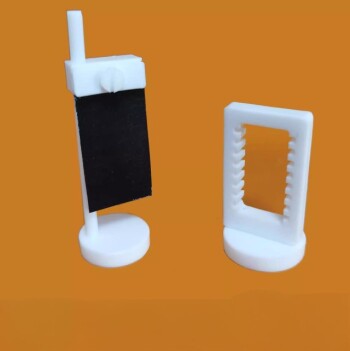
- Custom PTFE Teflon Parts Manufacturer for Hydrothermal Synthesis Reactor Polytetrafluoroethylene Carbon Paper and Carbon Cloth Nano-growth
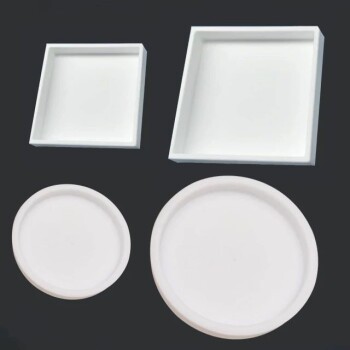
- Custom PTFE Teflon Parts Manufacturer for PTFE Containers
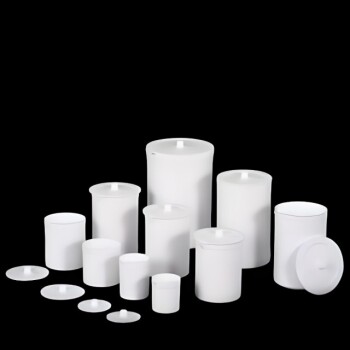
- Custom PTFE Teflon Parts Manufacturer PTFE Beaker and Lids
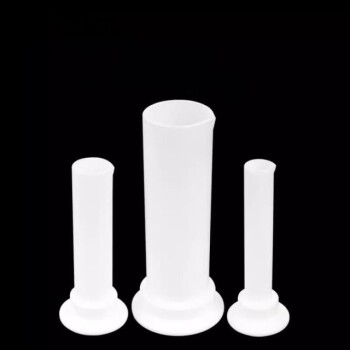
- Custom PTFE Teflon Parts Manufacturer for PTFE Measuring Cylinder 10/50/100ml
- Custom Machined and Molded PTFE Teflon Parts Manufacturer with PTFE Crucible and Lid
People Also Ask
- What is the function of a PTFE reactor in MXene etching? Ensure Safe, High-Purity MAX Phase Conversion
- Why is a PTFE reactor required for titanium-based nano-ceramic coating solutions? Ensure Chemical Inertness & Purity
- Why must a Polytetrafluoroethylene (PTFE) reactor be used for Ti3C2TX MXene etching? Ensure Safety and Purity
- Why are PTFE reactors preferred for silver phosphate glass testing? Ensure Purity and Kinetic Accuracy
- What are the advantages of using polytetrafluoroethylene (PTFE) liners in hydrothermal synthesis reactors? High Purity