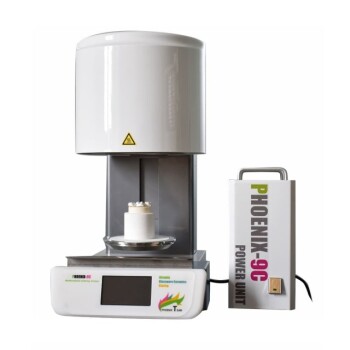
Nitrogen gas functions as a critical protective barrier throughout the annealing process. Its primary role is to create an inert atmosphere within the furnace, effectively neutralizing the environment to prevent oxidation and unwanted chemical reactions that occur when metals are heated in the presence of oxygen. Additionally, nitrogen serves a vital safety function by purging the furnace of hazardous or combustible gases before the heating cycle begins.
By displacing reactive oxygen, nitrogen ensures that metals can undergo the heating and cooling necessary to relieve internal stresses without suffering surface degradation or scale formation.
Creating a Stable Atmosphere
Preventing Surface Oxidation
When metals are heated to annealing temperatures, they become highly reactive to oxygen. Without protection, this leads to oxidation, resulting in scale and surface damage.
Nitrogen is introduced to displace oxygen, maintaining an environment where the metal can be heated without chemically reacting with the atmosphere.
The Importance of Purging
Before the annealing process actually starts, nitrogen is used to purge or flush the furnace.
The goal is to evacuate atmospheric air until the oxygen concentration drops below 1%. This establishes a safe, inert baseline before the temperature rises.
Neutralizing the Cooling Phase
The protective function of nitrogen extends beyond the heating phase.
It continues to provide an inert atmosphere during the cooling process, preventing oxidation from occurring as the material returns to room temperature.
Safety and Hazard Mitigation
Displacing Combustibles
Annealing furnaces can accumulate hazardous gases or volatile residues that pose a safety risk.
Nitrogen is used to displace these potential hazards, preventing the creation of an unstable or combustible environment that could lead to dangerous incidents during operation.
Understanding the Trade-offs
The Decarburization Nuance
A common misunderstanding is that nitrogen creates a purely "neutral" atmosphere that protects against all chemical changes.
While nitrogen prevents oxidation, it does not prevent decarburization (the loss of carbon from the steel surface). To prevent this, the furnace atmosphere's carbon potential must be balanced with the steel, which nitrogen alone cannot achieve.
Molecular vs. Atomic Nitrogen
For standard annealing (softening), nitrogen must remain in its molecular form, where it is passive to materials like low carbon steel.
If the nitrogen is "cracked" into atomic nitrogen, it becomes reactive. This leads to the formation of iron nitrides, which increases surface hardness—essentially doing the opposite of annealing—and can cause brittleness at sharp corners.
The Necessity of Dry Gas
Using nitrogen is only effective if the gas is exceptionally clean and dry.
Any moisture present in the nitrogen supply can reintroduce oxygen and hydrogen into the environment, leading to the very surface oxidation and decarburization you are trying to avoid.
Making the Right Choice for Your Goal
To ensure your annealing process yields the desired mechanical properties, consider the specific requirements of your material:
- If your primary focus is annealing low carbon steels: Ensure your nitrogen supply is strictly molecular, clean, and dry to prevent unwanted nitriding or oxidation.
- If your primary focus is preventing surface decarburization: Recognize that nitrogen alone is insufficient; you must control the carbon equilibrium in the furnace atmosphere.
- If your primary focus is operational safety: Prioritize a thorough nitrogen purge cycle to evacuate all atmospheric air and combustibles before heating.
Effective annealing requires not just heat, but precise atmospheric control to ensure the material remains chemically stable while its physical properties are enhanced.
Summary Table:
| Function of Nitrogen | Key Benefit | Critical Requirement |
|---|---|---|
| Atmosphere Control | Displaces oxygen to prevent oxidation and scale formation. | Must be dry and moisture-free. |
| Safety Purging | Removes combustible gases and air before heating cycles. | Oxygen levels must drop below 1%. |
| Cooling Protection | Maintains an inert environment until material reaches room temp. | Molecular form (N2) must be preserved. |
| Hazard Mitigation | Displaces volatile residues to prevent explosions. | Continuous flow during critical phases. |
Optimize Your Annealing Results with KINTEK Precision
Achieving the perfect material finish requires more than just heat—it demands precise atmospheric control. KINTEK specializes in advanced laboratory and industrial heating solutions, providing a comprehensive range of high-temperature furnaces (muffle, tube, vacuum, and atmosphere) designed to work seamlessly with nitrogen and other inert gases.
Whether you are processing low carbon steels or advanced alloys, our systems ensure superior thermal uniformity and reliable atmosphere management. From crushing and milling systems to high-pressure reactors and battery research tools, KINTEK is your partner in material science excellence.
Ready to upgrade your lab's thermal processing capabilities? Contact our experts today to find the perfect furnace solution!
Related Products
- Controlled Nitrogen Inert Hydrogen Atmosphere Furnace
- Vacuum Heat Treat Furnace with Ceramic Fiber Liner
- High Temperature Muffle Oven Furnace for Laboratory Debinding and Pre Sintering
- Laboratory Muffle Oven Furnace Bottom Lifting Muffle Furnace
- Graphite Vacuum Furnace High Thermal Conductivity Film Graphitization Furnace
People Also Ask
- Why is hydrogen used in furnaces? Achieve Superior Purity and Bright Finishes
- What is the role of a hydrogen atmosphere furnace in diamond/copper composites? Enhance Your Material Purity
- What are the characteristics and risks of a hydrogen atmosphere in a furnace? Master the Balance of Power and Control
- Can hydrogen be used in furnaces? Yes, for Oxide-Free Metal Processing & Rapid Heating
- What is the use of hydrogen in furnace? A Key to Oxygen-Free High-Temperature Processing