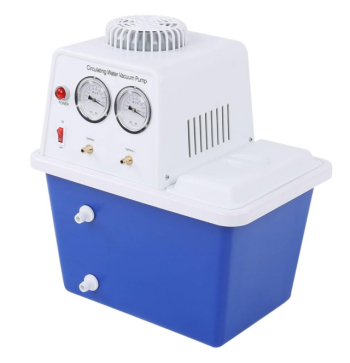
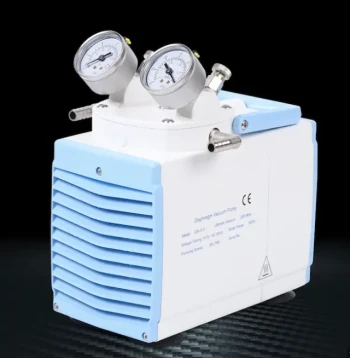
The primary function of the pre-vacuum pump is to fully evacuate air from the furnace chamber before the heating process begins. This step removes atmospheric gases to create a pristine, low-pressure environment, which is essential for protecting the substrate materials and preparing the chamber for chemical vapor deposition.
The pre-vacuum phase acts as the critical safeguard against oxidation. By establishing a clean environment before the temperature ramps up, it prevents the degradation of graphite components and sets the precise background pressure required for the subsequent methane gas flow.
The Critical Role of Initial Evacuation
Preventing Substrate Oxidation
The airtight Silicon Carbide (SiC) coating process involves extreme heat, typically utilizing graphite heaters and insulation. The pre-vacuum pump eliminates oxygen from the chamber before the heating cycle initiates.
This is vital because the substrates—often graphite or carbon-carbon composites—are highly susceptible to oxidation. If air were present during the temperature ramp-up, these materials would degrade rapidly, compromising the structural integrity of the part.
Protecting Process Media
Beyond the substrate itself, the vacuum environment protects the internal process media.
Maintaining a contaminant-free zone ensures that the materials involved in the reaction remain pure. This prevents unwanted chemical side-reactions that could occur if the process media were exposed to atmospheric elements at elevated temperatures.
Establishing Baseline Pressure
The pump is not just removing air; it is calibrating the chamber for the next step. It establishes the ideal process background pressure.
This specific pressure baseline is required for the controlled introduction of methane gas. Without this initial evacuation, the aerodynamics and partial pressures needed for the subsequent vapor deposition would be impossible to control accurately.
Operational Context and Requirements
Supporting High-Temperature Thermodynamics
The coating process relies on temperatures ranging from 1500°C to 1800°C.
At these temperatures, the vacuum environment ensures the stability of the thermal field. This stability provides the necessary thermodynamic conditions for hydrocarbon pyrolysis and the chemical reaction between carbon and silicon to occur efficiently.
Facilitating Uniform Growth
While the vacuum pump sets the pressure, the internal fixtures play a supporting role.
Fixtures hold parts in the center of the hot zone, exposing them to rising silicon vapor. The vacuum environment ensures there is no air resistance or turbulence to disrupt the flow of these vapors, allowing for uniform growth of the coating on complex geometries.
Common Pitfalls to Avoid
The Danger of Residual Oxygen
The most significant risk in this stage is incomplete evacuation.
If the pump fails to reach the required vacuum level before heating, residual oxygen acts as a contaminant. This leads to "uncontrolled oxidation," which etches the surface of the substrate and ruins the interface where the SiC coating is meant to bond.
Managing Pump Efficiency vs. Cycle Time
Operators often face a trade-off between cycle speed and vacuum quality.
Rushing the pre-vacuum step to save time is a false economy. The time saved is negated by the risk of introducing impurities that weaken the final coating's adhesion and protective properties.
Making the Right Choice for Your Process
To maximize the effectiveness of the airtight SiC coating deposition:
- If your primary focus is Substrate Integrity: Prioritize a deep, sustained evacuation cycle to ensure zero oxygen presence before engaging the heating elements, protecting sensitive carbon composites.
- If your primary focus is Process Consistency: Ensure the pre-vacuum pump is calibrated to reach the exact background pressure specified for your methane flow rates, as this dictates the stability of the vapor deposition.
The pre-vacuum pump is the foundational gatekeeper of the entire process, ensuring the chemical purity required for high-performance SiC coatings.
Summary Table:
| Feature | Primary Function & Benefit |
|---|---|
| Oxygen Removal | Prevents oxidation of graphite heaters and carbon-carbon composite substrates. |
| Atmosphere Control | Eliminates atmospheric contaminants to ensure pure chemical vapor deposition. |
| Pressure Baseline | Establishes the exact background pressure required for controlled methane gas flow. |
| Structural Integrity | Safeguards the interface for optimal bonding and adhesion of the SiC coating. |
| Process Stability | Ensures stable thermodynamics for hydrocarbon pyrolysis at 1500°C–1800°C. |
Elevate Your Material Science with KINTEK Precision
Achieve flawless SiC coatings and superior material protection with KINTEK’s industry-leading laboratory solutions. We specialize in providing high-performance vacuum furnaces (CVD, PECVD, MPCVD), specialized crushing and milling systems, and high-temperature reactors designed to meet the rigorous demands of advanced research and production.
Whether you are working with graphite composites or developing next-generation battery technologies, KINTEK offers the essential consumables and cooling solutions to ensure your process remains contaminant-free and consistent. Contact KINTEK today to discover how our comprehensive range of high-temperature equipment and specialized laboratory tools can optimize your deposition cycles and protect your critical substrates.
References
- S. L. Shikunov, В. Н. Курлов. Novel Method for Deposition of Gas-Tight SiC Coatings. DOI: 10.3390/coatings13020354
This article is also based on technical information from Kintek Solution Knowledge Base .
Related Products
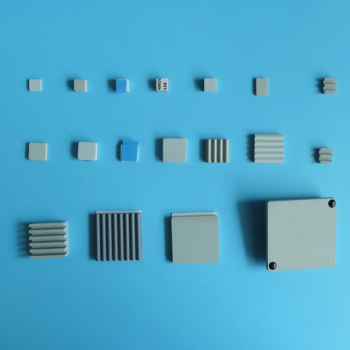
- Silicon Carbide (SIC) Ceramic Sheet Flat Corrugated Heat Sink for Engineering Advanced Fine Ceramics
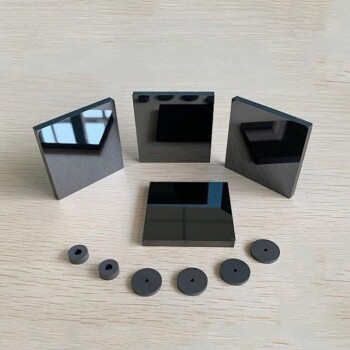
- Silicon Carbide (SIC) Ceramic Sheet Wear-Resistant Engineering Advanced Fine Ceramics
- HFCVD Machine System Equipment for Drawing Die Nano-Diamond Coating
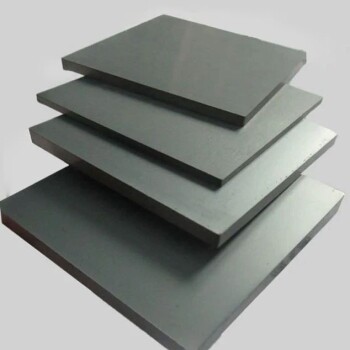
- Silicon Carbide (SIC) Ceramic Plate for Engineering Advanced Fine Ceramics
- Chemical Vapor Deposition CVD Equipment System Chamber Slide PECVD Tube Furnace with Liquid Gasifier PECVD Machine
People Also Ask
- What are the properties and applications of silicon carbide ceramics? Solve Extreme Engineering Challenges
- What is the strongest ceramics? Silicon Carbide Leads in Hardness & Thermal Strength
- What are the uses of silicon carbide ceramics in different industries? Master Extreme Performance in Aerospace, Semiconductors & More
- What are the properties of SiC? Unlock High-Temperature, High-Frequency Performance
- Why is silicon carbide more efficient? Unlock Higher Power Density with SiC's Superior Material Properties