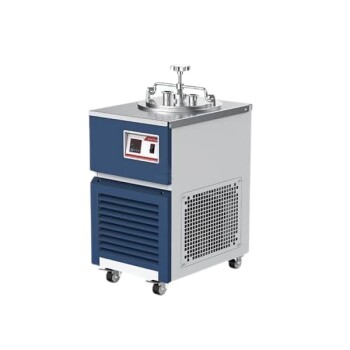
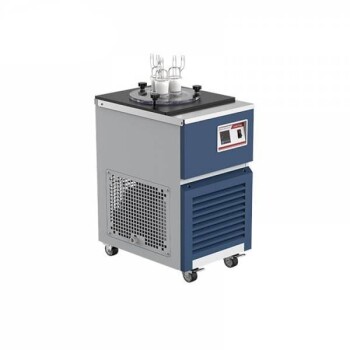
The primary function of a cold trap is to act as a rigorous purification stage within the gas line system. It works by condensing and capturing moisture and other condensable impurities from hydrogen or calibration gases at extremely low temperatures before they reach the reaction zone.
In precision measurement, gas purity is not just a preference; it is a prerequisite for accuracy. The cold trap ensures that the data you collect reflects the true solubility of the gas, rather than the byproducts of unintended chemical reactions caused by contaminants.
Protecting the Reaction Zone
Eliminating Water Vapor
The most critical role of the cold trap is removing water vapor from the gas stream. Even trace amounts of moisture can be detrimental to high-precision experiments. By freezing this moisture out, the trap ensures that only dry, high-purity gas enters the measurement chamber.
Preventing Chemical Interference
In systems involving materials like high-temperature liquid aluminum, impurities can cause catastrophic data errors. If water vapor reaches the liquid aluminum, it reacts to produce oxides and additional hydrogen.
Preserving Data Integrity
The generation of "extra" hydrogen from a water-aluminum reaction creates a false baseline. This distorts the solubility measurement data, making it impossible to distinguish between the gas actually absorbed and the gas generated by the impurity reaction. The cold trap eliminates this variable, guaranteeing the reliability of your results.
The Mechanism of Action
Sublimation and Crystallization
Cold traps do not merely liquefy vapors; they often facilitate a direct phase change from gas to solid. This process, known as sublimation, bypasses the liquid phase entirely.
Trapping via Frost Formation
As the gas molecules hit the extremely cold metal surface of the trap, they crystallize immediately. You will often observe this physically as a layer of “frost” accumulating on the trap's interior surfaces, effectively locking the impurities away from the vacuum pump and the reaction system.
Operational Challenges and Maintenance
The Risk of Blockages
While effective, cold traps introduce a maintenance requirement. If you attempt to evacuate high concentrations of solvent vapors, the rapid accumulation of frost can lead to a physical blockage in the line.
Loss of Vacuum
A blocked trap restricts airflow, which can result in a significant loss of vacuum pressure. To mitigate this, operators must frequently check the trap for excessive buildup and ensure the device is appropriately sized for the volume of vapor present.
Making the Right Choice for Your Goal
To ensure your cold trap enhances your data rather than hindering your workflow, consider these factors:
- If your primary focus is Data Accuracy: Prioritize the trap's ability to reach and maintain extremely low temperatures to ensure complete removal of moisture before it reaches the molten sample.
- If your primary focus is System Maintenance: Establish a routine schedule to check for frost blockages to prevent strain on your vacuum pump and downtime during experiments.
High-precision gas absorption measurement relies entirely on the purity of the input; the cold trap is the gatekeeper that makes this possible.
Summary Table:
| Feature | Primary Function | Impact on Measurement |
|---|---|---|
| Moisture Removal | Freezes water vapor into frost | Prevents unintended chemical reactions |
| Purity Control | Captures condensable impurities | Ensures dry, high-purity gas delivery |
| Data Integrity | Eliminates "false" gas baselines | Guarantees accurate solubility results |
| System Protection | Traps contaminants before the pump | Extends equipment lifespan and vacuum stability |
Elevate Your Research Precision with KINTEK
Don't let trace impurities compromise your data integrity. KINTEK specializes in high-performance laboratory equipment, providing the advanced cold traps, vacuum systems, and cooling solutions essential for precision gas absorption measurement.
Whether you are working with high-temperature high-pressure reactors or complex battery research, our expert solutions—including ULT freezers, freeze dryers, and high-purity furnaces—are designed to meet the rigorous demands of modern science.
Take control of your laboratory environment today. Contact our specialists at KINTEK to find the perfect purification and measurement tools for your specific application.
References
- P. N. Anyalebechi. Hydrogen Solubility in Liquid and Solid Pure Aluminum—Critical Review of Measurement Methodologies and Reported Values. DOI: 10.4236/msa.2022.134011
This article is also based on technical information from Kintek Solution Knowledge Base .
Related Products
- Vacuum Cold Trap Direct Cold Trap Chiller
- Vacuum Cold Trap Chiller Indirect Cold Trap Chiller
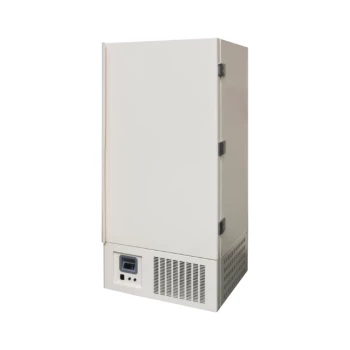
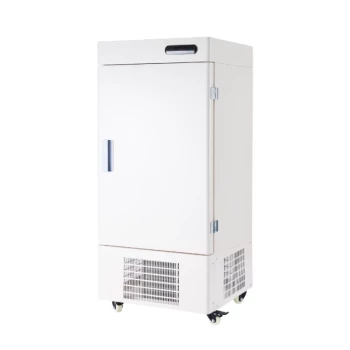
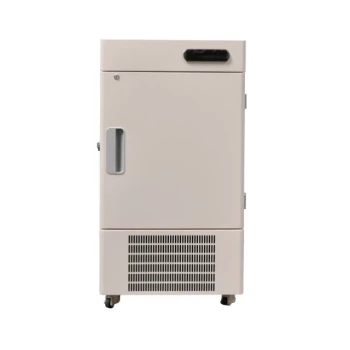
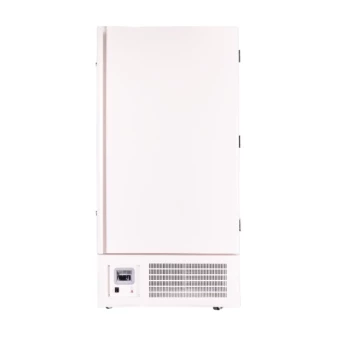
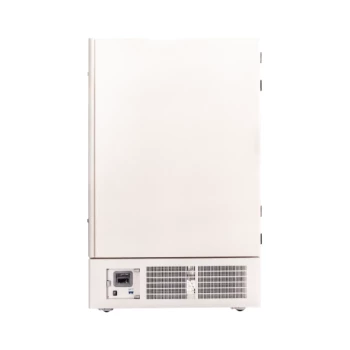
- 608L Essential Laboratory Ultra Low Temperature Freezer For Critical Sample Preservation
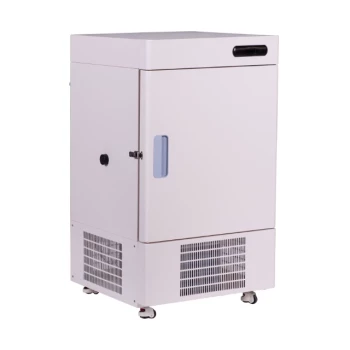
- 108L Vertical Ultra Low Temperature ULT Freezer
- 158L Precision Vertical Ultra Low Freezer for Laboratory Applications
People Also Ask
- What is the role of glass condensation components in arsenic collection? Optimize Niccolite Roasting & Kinetics
- Why is it necessary to configure efficient cold traps in membrane distillation? Ensure Flux Stability & Data Accuracy
- What is the purpose of connecting a cold trap at the reactor outlet? Protect Equipment and Analyze Liquid Products
- What is the primary purpose of a cold trap at a reactor outlet? Protect Analyzers & Ensure Data Integrity
- What is the function of a cold trap in bio-ethanol and methane reforming experiments? Optimize Purity & Protect Systems