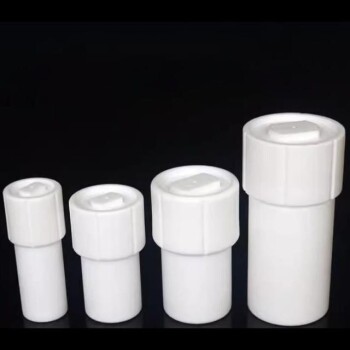
The primary purpose of a Teflon-lined high-pressure autoclave in this synthesis is to create a controlled, high-pressure hydrothermal environment that facilitates the in-situ growth of molybdenum oxides. This specialized vessel enables the reaction to occur at temperatures such as 150 °C to 200 °C under autogenous pressure, which is essential for functionalizing carbon carriers and achieving a unique, well-dispersed, and porous pyramidal morphology. By combining pressure with chemical inertness, the autoclave ensures the formation of a composite with optimized catalytic activity.
The autoclave acts as a critical reactor that enables subcritical water conditions, driving the precise assembly of molybdenum oxide onto carbon supports. It simultaneously protects the structural integrity of the catalyst from metallic contamination and prevents the reaction chemistry from damaging the equipment.
The Role of Pressure in Morphology and Growth
Facilitating In-Situ Growth and Functionalization
The high-pressure environment within the autoclave is the primary driver for the in-situ growth of molybdenum oxides on nitrogen-doped carbon aerogel supports. This pressure forces precursors into the pores of the carbon carrier, ensuring a deep and uniform functionalization that would be impossible at atmospheric pressure.
Optimizing Catalytic Morphology
Hydrothermal conditions are necessary to produce a porous pyramidal morphology, which significantly increases the active surface area of the catalyst. This specific structural regularity is a direct result of the enhanced reaction kinetics and solvent penetration provided by the sealed, high-pressure system.
Driving Complex Self-Assembly
In solvothermal processes, the autoclave provides the energy required for the self-assembly of molybdenum-based nanosheets into hierarchical structures, such as hollow nanoflowers. The pressure accelerates the hydrolysis of metal salts and their subsequent interaction with the carrier surface, ensuring a thorough and complete reaction.
The Necessity of the Teflon (PTFE) Liner
Maintaining Chemical Inertness and Purity
The Polytetrafluoroethylene (PTFE) liner is used because it is chemically inert, meaning it does not react with the precursor solutions. This prevents the introduction of external metal ions into the composite, which is vital for maintaining the high purity required for catalytic applications.
Protecting the Reaction Vessel
Many synthesis protocols involve strongly acidic or corrosive precursors that would otherwise damage the stainless steel outer shell of the autoclave. The Teflon liner acts as a sacrificial yet durable barrier that prevents corrosion, extending the life of the hardware and ensuring a safe reaction environment.
Enabling Ion Exchange and Assembly
The liner provides a stable environment for thorough ion exchange between metal ions and organic ligands under subcritical conditions. This stability allows for the uniform integration of precursor components, such as selenium or sulfur sources, into the carbon framework without interference from the vessel walls.
Understanding the Trade-offs
Temperature Limitations
While Teflon is highly resistant to chemicals, it has a strict thermal ceiling, typically around 250 °C. Exceeding this temperature can cause the liner to soften or "creep," leading to potential leaks or the release of toxic fluorinated vapors.
Thermal Lag and Heat Transfer
Teflon is an effective thermal insulator, which means there is a significant lag between the temperature of the oven and the temperature of the internal reaction liquid. This requires researchers to carefully calibrate heating times to ensure the precursors actually reach the intended reaction temperature.
Pressure Management Risks
The pressure inside the vessel is autogenous, meaning it is generated by the expansion of the heated solvent. If the autoclave is overfilled (typically beyond 70-80% capacity), the internal pressure can exceed the safety limits of the stainless steel shell, leading to equipment failure.
How to Apply This to Your Synthesis Project
Making the Right Choice for Your Goal
- If your primary focus is maximizing catalytic surface area: Use the autoclave to maintain temperatures above 150 °C, as the resulting autogenous pressure is the key to forming complex, porous pyramidal structures.
- If your primary focus is material purity and dopant integrity: Ensure the Teflon liner is free of scratches or degradation to prevent the migration of iron or nickel from the autoclave shell into your molybdenum composite.
- If your primary focus is equipment longevity and safety: Never exceed a 75% fill volume and strictly adhere to the temperature limits of your specific PTFE liner to avoid vessel deformation.
The strategic use of a Teflon-lined autoclave transforms simple precursor mixing into a sophisticated material engineering process by harnessing the dual powers of high-pressure kinetics and chemical isolation.
Summary Table:
| Feature | Role in Synthesis | Key Benefit |
|---|---|---|
| High-Pressure Reactor | Creates autogenous hydrothermal environment | Facilitates in-situ growth and porous pyramidal morphology |
| Teflon (PTFE) Liner | Provides chemical inertness and corrosion barrier | Prevents metal contamination and protects vessel integrity |
| Thermal Control | Enables reactions at 150 °C - 200 °C | Drives hydrolysis of metal salts and ion exchange |
| Sealed System | Maintains subcritical water conditions | Accelerates self-assembly into hierarchical structures |
Elevate Your Material Synthesis with KINTEK Precision
Achieving the perfect hierarchical structure in catalysts requires equipment that balances extreme pressure with absolute purity. KINTEK specializes in high-performance laboratory solutions, offering a comprehensive range of high-temperature high-pressure reactors and autoclaves, stainless steel hydrothermal vessels, and premium PTFE/Teflon consumables designed for corrosive synthesis environments.
Whether you are functionalizing carbon carriers or developing next-generation battery materials, our portfolio—including high-temperature furnaces, hydraulic presses, and cooling solutions—is engineered to meet the rigorous demands of advanced R&D.
Ready to optimize your hydrothermal workflow? Contact KINTEK today to consult with our experts on the ideal reactor configuration for your research goals.
References
- Abeer Enaiet Allah, Abdalla Abdelwahab. Growth of polyoxomolybdate with a porous pyramidal structure on carbon xerogel nanodiamond as an efficient electro-catalyst for oxygen reduction reaction. DOI: 10.1039/d2ra07543a
This article is also based on technical information from Kintek Solution Knowledge Base .
Related Products
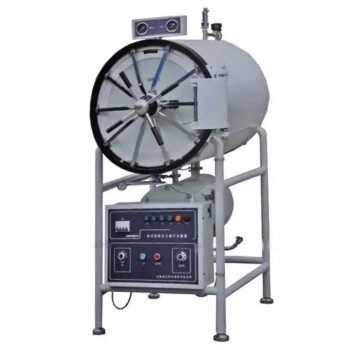
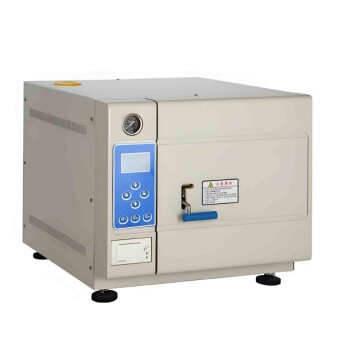
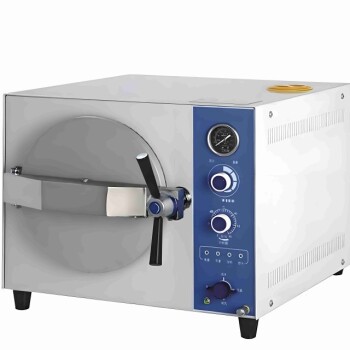
- Laboratory High Pressure Horizontal Autoclave Steam Sterilizer for Lab Use
- Stainless High Pressure Autoclave Reactor Laboratory Pressure Reactor
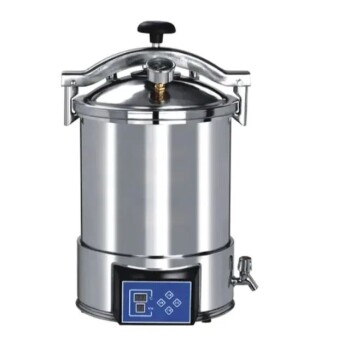
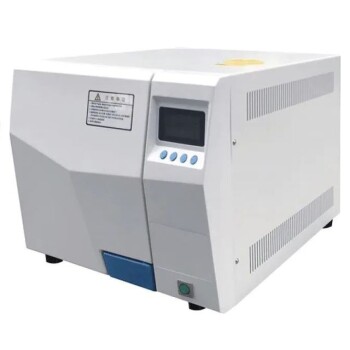
- Desktop Fast High Pressure Laboratory Autoclave Sterilizer 16L 24L for Lab Use
- High Pressure Laboratory Autoclave Reactor for Hydrothermal Synthesis
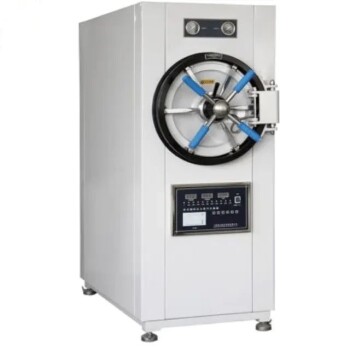
- Laboratory High Pressure Steam Sterilizer Vertical Autoclave for Lab Department
People Also Ask
- Why is a laboratory high-pressure autoclave sterilizer necessary? Ensure Accuracy in Antibacterial Research
- What is the role of a laboratory high-pressure autoclave in the conversion of furfural to piperidine? Optimize Yields
- What is the primary function of a laboratory autoclave in the pre-treatment of medical plastic waste for liquid fuel?
- What is an autoclave laboratory equipment? The Ultimate Guide to Steam Sterilization
- What is a laboratory autoclave? A Guide to Sterilization with Pressurized Steam