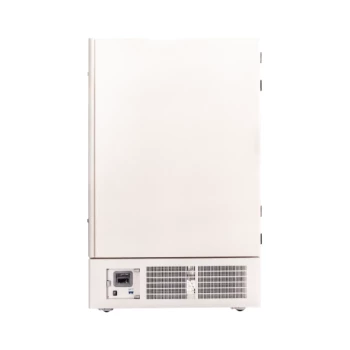
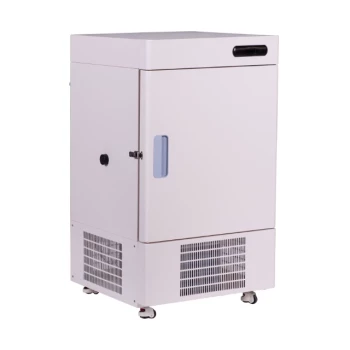
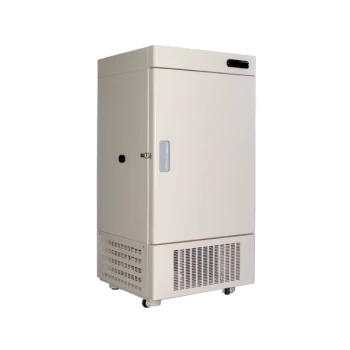
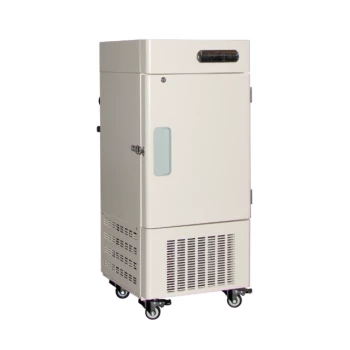
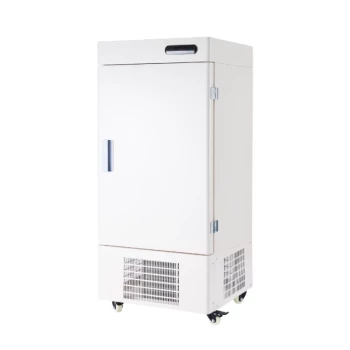
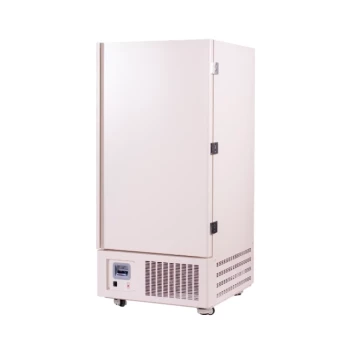
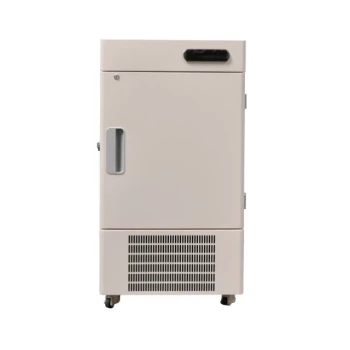
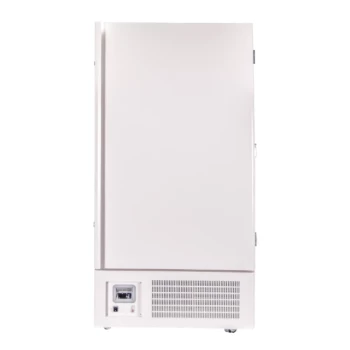
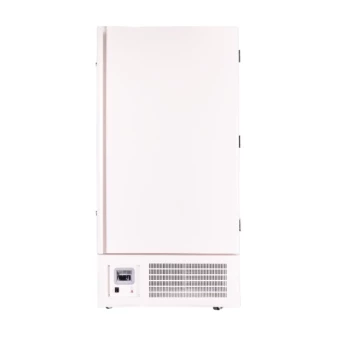
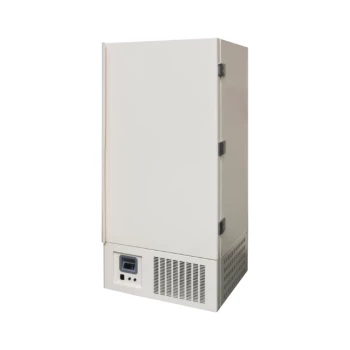
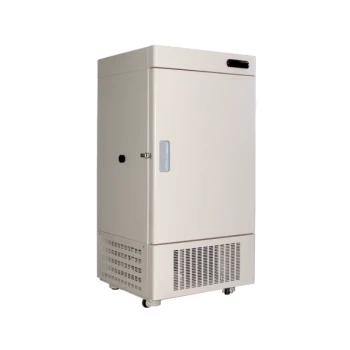
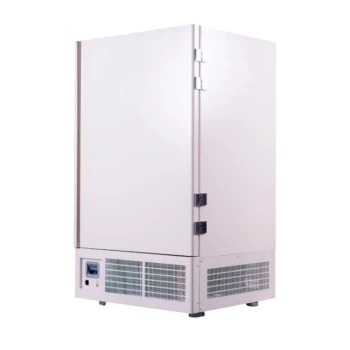
Preservation of sample integrity is the fundamental role of a laboratory ultra-low temperature (ULT) freezer in biomass preparation. Specifically, these units, typically operating at -24°C for this application, are used to store pretreated biomass fiber fractions long-term before chemical analysis takes place. By maintaining this consistent cold environment, the freezer effectively pauses the sample's biological timeline to ensure the material analyzed matches the original specimen.
Core Takeaway Biomass is biologically active material that will naturally decompose over time. The ULT freezer halts microbial degradation and enzymatic reactions, ensuring that the organic composition and mineral distribution remain unaltered during the period between sample preparation and final analysis.
The Science of Sample Preservation
Inhibiting Biological Activity
Biomass samples are not inert; they are biologically active materials teeming with microorganisms and enzymes. Without intervention, these biological agents will immediately begin breaking down the sample.
The ULT freezer acts as a stasis chamber. By lowering the temperature to -24°C, the system effectively inhibits microbial degradation and stops enzymatic reactions that would otherwise consume or alter the biomass.
Preventing Organic Alteration
When biological activity continues unchecked, the chemical structure of the biomass changes. This decomposition can fundamentally alter the organic components of the fiber fractions.
Cold storage ensures the chemical identity of the organic matrix is preserved. This "freezing of state" is critical for researchers who need to correlate specific organic structures with mineral content.
Impact on Mineral Analysis Results
Maintaining Mineral Distribution
The primary goal of the analysis is to determine the exact quantity and location of mineral elements. If the organic material holding these minerals decomposes, the minerals may shift, leach out, or chemically recombine.
By preventing the breakdown of the supporting organic structure, the freezer maintains the original state of mineral distribution. This ensures that the spatial data recovered during analysis is accurate to the original sample.
Retaining Volatile Constituents
Decomposition often results in the release of gases or volatile compounds. If these constituents are lost to the atmosphere, the mass balance of the sample changes.
The low-temperature environment prevents the loss of volatile constituents. This guarantees that the sample mass remains constant and that no elements are lost via evaporation or gas release prior to testing.
Understanding the Constraints
Temperature Consistency is Critical
The efficacy of this preservation method relies entirely on the continuous maintenance of the -24°C environment. Any significant fluctuation or warming can reactivate enzymes, leading to rapid degradation ("thaw damage").
Specificity of Application
While the primary reference specifies -24°C for biomass fiber fractions, it is important to note that "ULT" freezers in broader contexts often operate at even lower temperatures (e.g., -80°C) for other sensitive biologicals like viruses or tissue.
However, for the specific goal of preserving biomass fiber fractions for mineral analysis, the -24°C standard is cited as the effective threshold for inhibiting the specific degradation pathways relevant to these samples.
Ensuring Data Integrity in Mineral Analysis
Using a ULT freezer is not just a storage solution; it is a quality control measure. Here is how to prioritize your usage based on your analytical goals:
- If your primary focus is Accuracy of Mineral Mapping: Ensure samples are frozen immediately after pretreatment to lock the mineral distribution in place within the organic matrix.
- If your primary focus is Long-Term Project Timelines: Rely on the -24°C setting to permit batch processing, allowing you to store early samples safely while waiting for the complete dataset to be ready for analysis.
Ultimately, the ULT freezer serves as a "pause button" for nature, guaranteeing that the chemistry you analyze in the lab is identical to the chemistry of the sample at the moment of collection.
Summary Table:
| Preservation Aspect | Function of ULT Freezer (-24°C) | Impact on Mineral Analysis |
|---|---|---|
| Biological Activity | Inhibits microbial growth and enzymatic reactions | Prevents sample decomposition and organic matrix alteration |
| Mineral Distribution | Locks minerals within the preserved organic structure | Ensures spatial accuracy and prevents leaching/shifting |
| Volatile Compounds | Prevents evaporation and gas release | Maintains mass balance and retains all chemical constituents |
| Sample Timeline | Pauses the biological timeline of the specimen | Enables long-term storage and batch processing without data loss |
Secure Your Research Integrity with KINTEK Solutions
In the delicate process of biomass mineral analysis, maintaining sample stability is non-negotiable. KINTEK specializes in high-precision laboratory equipment designed to protect your data integrity from preparation to analysis.
Our extensive portfolio supports every stage of your workflow, featuring:
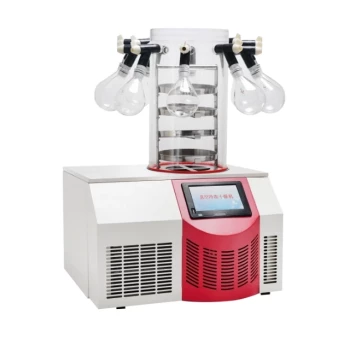
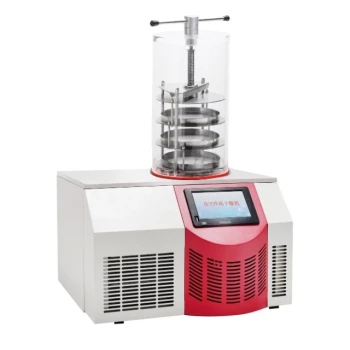
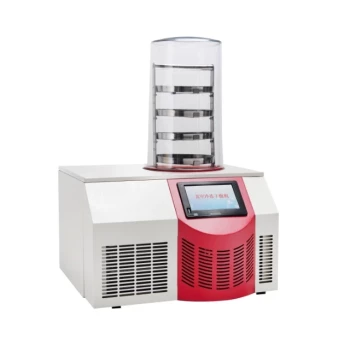
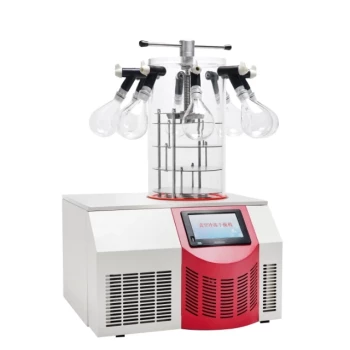
- Cooling Solutions: High-performance ULT freezers, cold traps, and freeze dryers to halt biological degradation.
- Sample Preparation: Precision crushing and milling systems, sieving equipment, and hydraulic presses for uniform biomass processing.
- Advanced Analysis Support: High-temperature furnaces (Muffle, Tube, Vacuum) and high-pressure reactors for comprehensive material characterization.
Don't let sample degradation compromise your results. Partner with KINTEK for reliable, high-quality laboratory consumables and equipment tailored to your research needs. Contact our experts today to find the perfect cooling solution for your lab!
References
- Duy Michael Le, Anne S. Meyer. Biorefining of wheat straw: accounting for the distribution of mineral elements in pretreated biomass by an extended pretreatment-severity equation. DOI: 10.1186/s13068-014-0141-7
This article is also based on technical information from Kintek Solution Knowledge Base .
Related Products
- 938L Vertical Ultra Low Temperature Freezer for Advanced Laboratory Storage
- 108L Vertical Ultra Low Temperature ULT Freezer
- 208L Advanced Precision Laboratory Ultra Low Temperature Freezer for Cold Storage
- 28L Compact Upright Ultra Low Temperature Freezer for Laboratory
- 158L Precision Vertical Ultra Low Freezer for Laboratory Applications
People Also Ask
- What features should be considered when choosing an ultra low temperature freezer? Secure Your Samples with Precision
- How is the interior of an ultra low temperature freezer designed for optimal storage? Maximize Sample Integrity with Smart Design
- How is temperature controlled in ultra low temperature freezers? A Guide to Stable -80°C Storage
- What is an ultra-low temperature freezer? Protect Your Most Valuable Biological Samples
- What is cryopreservation and how do ultra low temperature freezers facilitate this process? Preserve Your Samples for the Long Term