High-strength milling media, such as stainless steel grinding jars and balls, are strictly necessary to generate the extreme kinetic energy required to mechanically alloy high-melting-point refractory metals. Without the intense impact provided by these robust materials, it is impossible to overcome the atomic potential barriers of elements like tungsten and molybdenum to form the stable solid solution structures characteristic of high entropy alloys (HEAs).
High entropy alloy coating preparation relies on a "violent" high-energy collision environment to force dissimilar elements to bond at the atomic level. High-strength media provide the necessary impact force to dissolve refractory metals while possessing the durability to withstand extended milling durations without catastrophic failure.
Overcoming Atomic Barriers in Refractory Metals
The Requirement for Kinetic Energy
HEAs frequently incorporate refractory metals with high melting points, such as tungsten and molybdenum. These elements possess strong atomic bonds that resist alloying under standard conditions. High-strength media are essential because they deliver significant kinetic energy during impact, which is the only mechanism capable of disrupting these bonds in a solid-state process.
Breaking Potential Barriers
The formation of a true HEA requires creating a solid solution, not just a mixture of powders. The collision environment must be intense enough to overcome atomic potential barriers. High-strength media facilitate the mechanical alloying process, forcing these stubborn elements to diffuse into the matrix and form a cohesive lattice structure.
The Mechanics of Solid Solution Formation
Creating High-Intensity Collisions
To achieve the necessary energy transfer, the process often utilizes a specific ball-to-powder weight ratio, typically around 15:1. This high ratio ensures that the powder is subjected to frequent, high-force impacts from the grinding media. Only high-strength materials like stainless steel or tungsten carbide can sustain this intensity without shattering.
Energy Conversion
The process converts the kinetic energy of the ball mill into internal and deformation energy within the powder particles. This energy accumulation drives severe plastic deformation and fracturing. This continuous refinement reduces particles to the micron level and introduces lattice defects essential for successful alloying.
Managing Contamination and Media Wear
Understanding the Trade-off
It is critical to recognize that the high-intensity milling required for HEAs (often lasting up to 200 hours) makes media wear inevitable. There is no such thing as zero-wear milling in this context. Consequently, the "purity" of the final powder is often a function of material compatibility rather than total isolation.
The Strategy of Compatible Contamination
Stainless steel media are often selected not just for strength, but for chemical compatibility. If the HEA is iron-based or contains significant ferrite, wear debris from stainless steel balls (primarily iron) acts as a compatible alloying element rather than a foreign impurity.
Mitigating Foreign Impurities
Using mismatched media poses a significant risk to alloy performance. For example, using ceramic media for an iron-based alloy could introduce brittle ceramic inclusions (like alumina or zirconia) that degrade the coating's mechanical properties. Therefore, high-strength metallic media are often preferred to ensure that any introduced material integrates seamlessly into the alloy matrix.
Making the Right Choice for Your Goal
When selecting milling media for high entropy alloy coatings, align your choice with your specific composition targets:
- If your primary focus is alloying refractory metals (W, Mo): Prioritize high-density, high-strength media like stainless steel or tungsten carbide to ensure sufficient kinetic energy transfer to break atomic barriers.
- If your primary focus is chemical purity in Iron-based HEAs: Use stainless steel jars and balls so that inevitable wear debris assimilates into the alloy matrix without introducing harmful foreign contaminants.
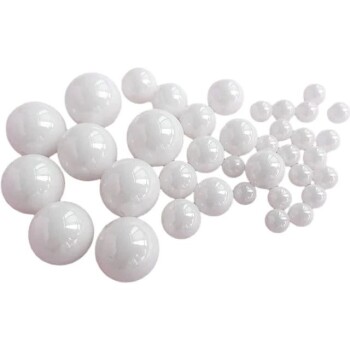
- If your primary focus is avoiding metallic contamination in non-ferrous alloys: Consider high-toughness ceramic media like Zirconia, accepting the trade-off that impact energy may vary compared to denser metallic options.
Success in HEA preparation depends on balancing the need for extreme impact energy with the strategic management of media wear.
Summary Table:
| Feature | Requirement for HEA Preparation | Impact on Results |
|---|---|---|
| Media Strength | High (Stainless Steel/Tungsten Carbide) | Overcomes atomic bonds of refractory metals (W, Mo) |
| Kinetic Energy | Extreme Impact Force | Drives mechanical alloying and solid solution formation |
| Ball-to-Powder Ratio | Typically 15:1 | Ensures frequent, high-intensity collisions |
| Contamination Strategy | Compatible Wear | Integrates wear debris into the alloy matrix safely |
| Particle Refinement | Micron-level reduction | Creates lattice defects essential for alloying |
Elevate Your Materials Research with KINTEK Precision Equipment
Achieving the perfect high-entropy alloy requires more than just high energy—it demands the right tools for the job. KINTEK specializes in providing the high-strength laboratory equipment necessary for advanced material synthesis. Whether you need robust crushing and milling systems with high-durability stainless steel grinding jars and balls, or precision high-temperature furnaces and hydraulic presses for post-processing, we have the expertise to support your lab.
Our comprehensive portfolio is designed for researchers who cannot compromise on purity or performance. From vacuum and atmosphere furnaces to specialized PTFE and ceramic consumables, KINTEK ensures your research is backed by industrial-grade reliability.
Ready to optimize your alloying process? Contact our technical specialists today to discuss the ideal media and equipment configuration for your specific HEA composition!
Related Products
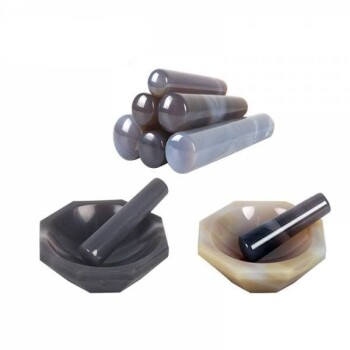
- Laboratory Jar Mill with Agate Grinding Jar and Balls
- Laboratory Ball Mill Jar Mill with Metal Alloy Grinding Jar and Balls
- Laboratory Jar Ball Mill with Alumina Zirconia Grinding Jar and Balls
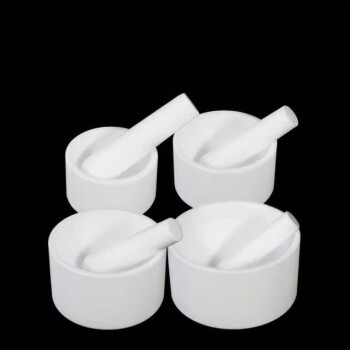
- Custom PTFE Teflon Parts Manufacturer Grinding Bowl
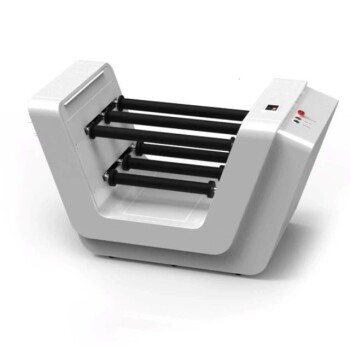
- Laboratory Four-Body Horizontal Jar Mill
People Also Ask
- What are the different types of laboratory mills? Choose the Right Grinder for Your Sample Material
- What is use for grinding in the laboratory? Select the Right Mill for Accurate Sample Prep
- What laboratory apparatus is used for grinding? Match the Right Mill to Your Sample Material
- What is the function of a laboratory grinding mill? Achieve Precise Sample Preparation for Accurate Results
- Why are agate milling jars and balls used for Mo-La2O3 powder mixing? Ensure High-Purity Material Dispersion