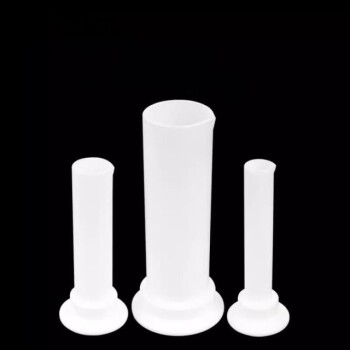
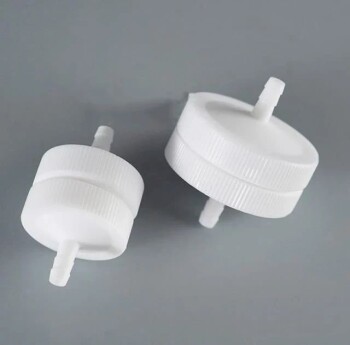
The necessity of a PTFE-lined high-pressure digestion tank lies in its ability to create a controlled, chemically inert environment for complex material transformation. For the synthesis of yolk-shell structured anode materials, this equipment provides the specific high-temperature and high-pressure conditions required to turn glucose solutions into uniform carbon coatings. Without the PTFE liner, the reactive precursors would corrode the vessel and contaminate the sensitive nanostructures required for battery performance.
Core Takeaway: The PTFE-lined autoclave is essential because it facilitates the high-pressure polymerization of precursors while providing a "clean room" environment that prevents metallic contamination and ensures the structural integrity of the yolk-shell architecture.
The Role of the Hydrothermal Environment
Facilitating Complex Chemical Transformations
The hydrothermal process requires temperatures often exceeding 180 °C, which triggers the dehydration, polymerization, and aromatization of glucose. Under these conditions, the glucose transforms into a carbon precursor that can uniformly coat silicon particles or other "yolk" materials.
The sealed nature of the digestion tank generates autogenous pressure, which is critical for driving these reactions at the molecular level. This pressure ensures that the precursors nucleate and grow with the specific morphology and orientation needed for a yolk-shell structure.
Enabling Structural Control and Integrity
A yolk-shell structure requires a precise gap between the core and the shell to accommodate volume expansion during battery cycling. The high-pressure environment facilitates the in-situ growth of these layers, allowing for the construction of three-dimensional hollow structures.
The constant temperature provided by the reactor ensures that crystal growth is uniform. This leads to the development of stable crystal structures that are vital for the long-term electrochemical stability of anode materials.
The Critical Function of the PTFE Liner
Preventing Chemical Corrosion
The chemical precursors used in synthesis, such as acidic slurries or reactive metal salts, can be highly aggressive. PTFE (polytetrafluoroethylene) is chosen for its exceptional chemical stability, which protects the outer metal vessel from being dissolved by the reaction solution.
If the reaction were held directly in a metal vessel, the resulting corrosion would degrade the equipment and alter the chemical balance of the experiment. The liner acts as a sacrificial but highly durable barrier against these chemical attacks.
Ensuring High Product Purity
In battery research, even trace amounts of metallic impurities can cause cell failure or poor performance. The PTFE liner eliminates the risk of introducing external metal ions from the stainless steel reactor body into the sample.
This ensures that the final yolk-shell anode material maintains its high purity and intended electrochemical properties. By providing a non-reactive surface, the liner guarantees that the reaction products are solely the result of the intended precursors.
Understanding the Trade-offs
Temperature and Pressure Limitations
While PTFE is highly non-reactive, it has a lower thermal threshold than the steel shell that surrounds it. Most PTFE liners are limited to a maximum continuous operating temperature of approximately 200°C to 250°C.
Exceeding these limits can cause the liner to soften or deform, potentially compromising the seal and leading to dangerous pressure leaks. Researchers must balance the need for high reaction kinetic energy with the physical limits of the polymer liner.
Heat Transfer and Cooling Rates
PTFE is an effective insulator, which means it can slow down the heating and cooling rates of the reaction solution compared to direct metal contact. This lag must be accounted for when timing reactions that require precise nucleation windows.
Furthermore, the external stainless steel shell is necessary for structural safety, as the PTFE liner itself cannot withstand high internal pressures. This dual-material design is mandatory for safety but adds complexity to the maintenance of the reactor.
How to Apply This to Your Project
Selecting Equipment Based on Your Objectives
The choice of digestion tank depends on the specific chemical and structural requirements of your synthesis process.
- If your primary focus is material purity: Ensure the PTFE liner is replaced if any discoloration or surface pitting occurs to prevent cross-contamination between batches.
- If your primary focus is complex morphology: Use a reactor with a thick stainless steel shell to safely reach the high autogenous pressures required for uniform shell polycondensation.
- If your primary focus is high-temperature synthesis (above 250°C): Consider alternative liners like PPL (polyphenylene polymers) which offer higher thermal stability than standard PTFE.
By utilizing the unique synergy between a protective PTFE liner and a high-strength pressure vessel, you can successfully synthesize the advanced architectures required for next-generation energy storage.
Summary Table:
| Feature | Benefit for Yolk-Shell Synthesis |
|---|---|
| Chemical Inertness | Prevents metallic contamination and ensures high material purity. |
| High-Pressure Environment | Facilitates precursor polymerization and uniform carbon shell growth. |
| Corrosion Resistance | Protects the reactor body from aggressive precursors and acidic slurries. |
| Thermal Stability | Maintains stable conditions (up to 250°C) for consistent morphology. |
Elevate Your Advanced Material Research with KINTEK
Precision in battery research starts with the right environment. KINTEK specializes in high-performance laboratory equipment, offering a premium range of high-temperature high-pressure reactors and autoclaves specifically designed to meet the rigorous demands of hydrothermal synthesis.
Whether you are developing complex yolk-shell architectures or next-generation anodes, our PTFE and PPL-lined systems ensure maximum chemical purity and structural integrity. Beyond reactors, KINTEK provides a comprehensive ecosystem of tools, including crushing and milling systems, hydraulic presses, and high-quality ceramic crucibles, tailored for materials scientists and battery researchers.
Ready to optimize your synthesis process? Contact our experts today to discover how KINTEK’s reliable equipment and specialized consumables can enhance your lab's efficiency and experimental accuracy.
References
- Hengsong Ji, Kai Tang. Recycling Silicon Waste from the Photovoltaic Industry to Prepare Yolk–Shell Si@void@C Anode Materials for Lithium–Ion Batteries. DOI: 10.3390/pr11061764
This article is also based on technical information from Kintek Solution Knowledge Base .
Related Products
- Custom PTFE Teflon Parts Manufacturer for Microwave Digestion Tank
- Custom PTFE Teflon Parts Manufacturer for PTFE Containers
- Custom PTFE Teflon Parts Manufacturer for Centrifuge Tube Racks
- Custom PTFE Teflon Parts Manufacturer for Reagent Wide Mouth Fine Mouth Sample High Temperature Bottles
- Custom PTFE Teflon Parts Manufacturer for Culture Dish and Evaporation Dish
People Also Ask
- Why are PTFE containers required for PCT leaching tests? Ensure Chemical Inertness and Analytical Precision
- Why use high-quality PTFE containers for CO2 reduction electrolytes? Eliminate silicon contamination and ensure data.
- Why is PTFE Mandatory for Hydrofluoric Acid (HF) Handling? Ensure Safety and Data Integrity in Corrosion Testing
- Why is a PTFE container required for acid leaching of silicon nanosheets? Ensure High Purity and Safety
- Why are polytetrafluoroethylene (PTFE) containers essential for assessing the corrosion resistance of glassified waste?