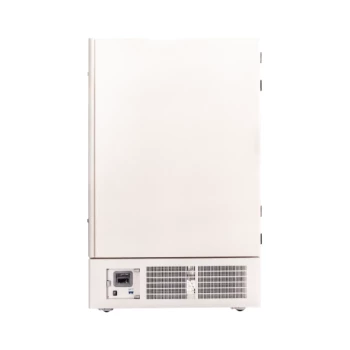
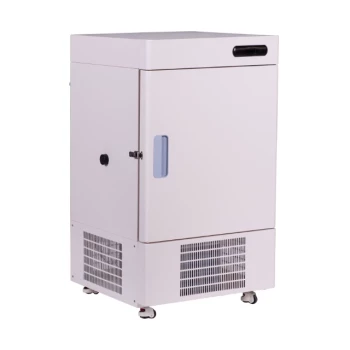
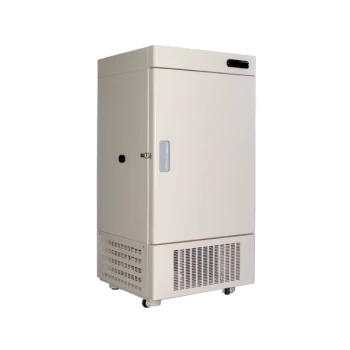
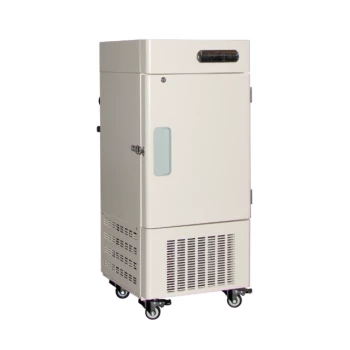
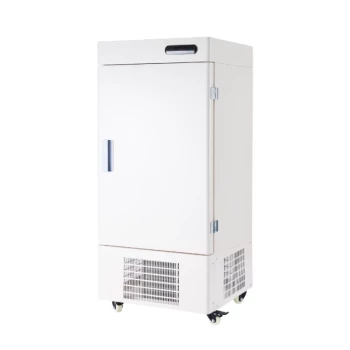
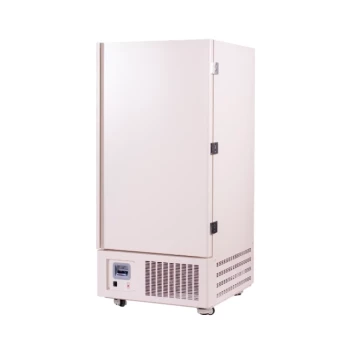
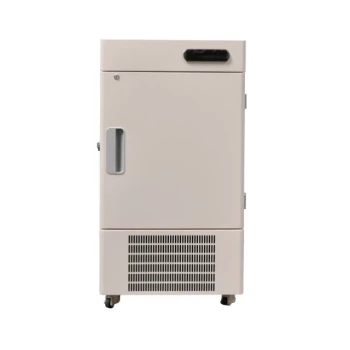
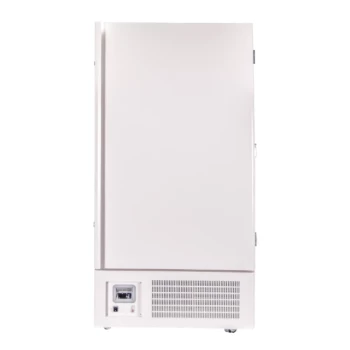
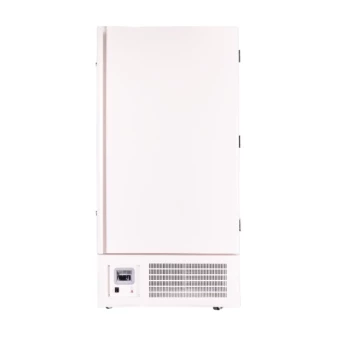
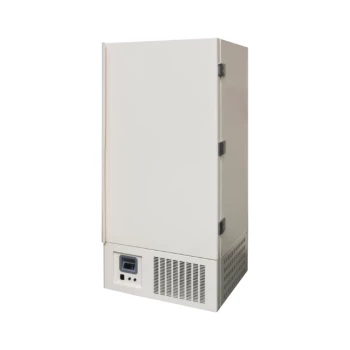
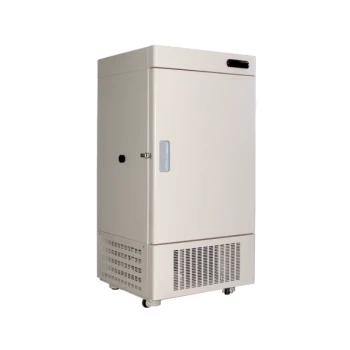
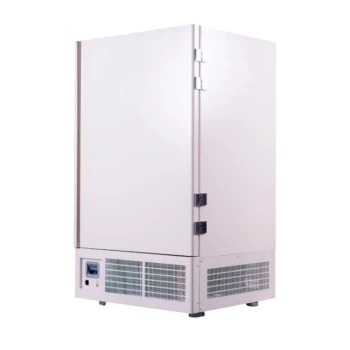
Hesperidin requires stringent environmental controls to prevent molecular breakdown and loss of bioactivity. Storing this compound in amber glass jars shields it from damaging ultraviolet radiation, while ultra-low temperature (ULT) freezers suppress the kinetic energy that drives chemical degradation.
Core Takeaway Hesperidin is inherently unstable when exposed to light and heat, leading to photochemical degradation and lost antioxidant potency. To ensure long-term data reliability, you must combine the UV-blocking properties of amber glass with the reaction-slowing environment of a ULT freezer.
The Mechanics of Degradation
Vulnerability to Light
Hesperidin is classified as a light-sensitive compound. When left exposed to standard illumination, the molecule absorbs energy that can trigger photochemical changes.
Over time, prolonged exposure disrupts the molecular structure. This degradation not only changes the chemical identity of the sample but also diminishes the specific properties you are likely studying, such as its antioxidant capacity.
The Impact of Temperature
Chemical stability is heavily influenced by thermal energy. At room temperature, the reaction rates for degradation pathways remain biologically active.
Even without light exposure, heat can accelerate the breakdown of the compound. To preserve the sample for an extended period, you must actively inhibit these kinetic processes.
The Protective Ecosystem
The Barrier of Amber Glass
Standard clear glass or plastic allows a broad spectrum of light to pass through, including harmful ultraviolet (UV) rays. Amber glass is specifically manufactured to filter out this UV radiation.
By storing hesperidin in amber jars, you create a physical barrier against photochemical degradation. This acts as the first line of defense, ensuring the sample remains chemically stable despite ambient lighting conditions in the lab.
The Stasis of ULT Freezing
An ultra-low temperature (ULT) freezer provides a critical second layer of protection. By reducing the temperature drastically, you slow down the rate of chemical reactions to a near standstill.
This environment maintains the compound's antioxidant properties. It ensures that the sample you analyze months from now is chemically identical to the sample you stored today.
Understanding the Trade-offs
Accessibility vs. Stability
While ULT storage is optimal for stability, it introduces logistical challenges. Accessing samples stored at such low temperatures requires careful handling to avoid moisture introduction or temperature spikes.
The Risk of Thermal Cycling
A common pitfall is the freeze-thaw cycle. While the ULT environment protects the sample, frequently removing the amber jar and letting it thaw for use can cause more damage than the storage prevents.
It is critical to aliquot samples before freezing. This prevents the need to thaw the entire stock supply every time an experiment is run.
Ensuring Sample Integrity
To maintain the highest quality standards for your hesperidin samples, consider your specific usage patterns.
- If your primary focus is long-term archiving: Use both amber glass and ULT freezers to create a redundant defense against both light and heat-induced degradation.
- If your primary focus is frequent daily use: Aliquot the bulk sample into smaller amber vials immediately to avoid repeated temperature fluctuations on the main stock.
Proper containment and thermal control are not optional precautions; they are fundamental requirements for valid, reproducible research involving hesperidin.
Summary Table:
| Degradation Factor | Protective Solution | Primary Benefit |
|---|---|---|
| Light/UV Exposure | Amber Glass Jars | Filters out UV radiation; prevents photochemical breakdown |
| Thermal Energy | ULT Freezer | Slows chemical reaction rates to a near standstill |
| Oxidation/Moisture | Airtight Sealing | Minimizes sample degradation during long-term storage |
| Thermal Cycling | Sample Aliquoting | Prevents damage caused by repeated freeze-thaw cycles |
Secure Your Research Integrity with KINTEK Solutions
Don't let sample degradation compromise your data. KINTEK specializes in high-performance laboratory equipment designed to protect your most sensitive compounds. Whether you need advanced ultra-low temperature (ULT) freezers for long-term stasis or precision homogenizers and cooling solutions for sample preparation, our team provides the tools you need for reproducible results.
From high-quality ceramics and crucibles to cutting-edge laboratory freezers, we support your research at every stage. Contact KINTEK today to find the perfect storage and processing solutions for your laboratory's specific needs!
References
- Mahesh Kumar Samota, P. N. Guru. Hesperidin from citrus peel waste: extraction and its health implications. DOI: 10.15586/qas.v15i2.1256
This article is also based on technical information from Kintek Solution Knowledge Base .
Related Products
- 938L Vertical Ultra Low Temperature Freezer for Advanced Laboratory Storage
- 108L Vertical Ultra Low Temperature ULT Freezer
- 208L Advanced Precision Laboratory Ultra Low Temperature Freezer for Cold Storage
- 28L Compact Upright Ultra Low Temperature Freezer for Laboratory
- 158L Precision Vertical Ultra Low Freezer for Laboratory Applications
People Also Ask
- What features should be considered when choosing an ultra low temperature freezer? Secure Your Samples with Precision
- How is the interior of an ultra low temperature freezer designed for optimal storage? Maximize Sample Integrity with Smart Design
- How is temperature controlled in ultra low temperature freezers? A Guide to Stable -80°C Storage
- What is an ultra-low temperature freezer? Protect Your Most Valuable Biological Samples
- What is cryopreservation and how do ultra low temperature freezers facilitate this process? Preserve Your Samples for the Long Term