The function of PTFE linings in alkaline hydrolysis is to serve as an essential, chemically inert barrier that prevents the degradation of reaction vessels and the contamination of the chemical process. By withstanding prolonged exposure to high-concentration alkaline solutions (such as 5 M or 10 M KOH or NaOH) at temperatures between 40°C and 120°C, these linings prevent the vessel walls from corroding and releasing metal ions into the mixture.
Core Insight: The use of PTFE linings is a critical quality control measure, not just a safety precaution. By eliminating metal ion leaching, these linings preserve the activity of downstream photocatalysts and ensure the purity of the recovered monomers, specifically terephthalic acid (TPA) and ethylene glycol (EG).
The Chemical Challenge of PET Hydrolysis
Withstanding Aggressive Conditions
The pre-treatment of PET plastics is an intense chemical process. It requires prolonged stirring in highly concentrated alkaline environments, typically utilizing 5 M or 10 M solutions of potassium hydroxide (KOH) or sodium hydroxide (NaOH).
Operating at Elevated Temperatures
Standard reaction vessels often struggle when high alkalinity is combined with heat. This process necessitates temperatures ranging from 40°C to 120°C, a window where many standard materials begin to degrade or corrode rapidly.
Why Inertness is Critical for Performance
Preventing Metal Ion Leaching
The most significant risk in this process is "leaching." Without a resistant lining like PTFE (or borosilicate glass), the strong base erodes the vessel's metal surface.
This erosion releases metal ions into the reaction solution. PTFE linings effectively isolate the structural metal from the solution, reducing this risk to near zero.
Safeguarding Catalyst Activity
The presence of leached metal ions is not merely an impurity issue; it is a functional problem. In systems utilizing photocatalysts, stray metal ions can interfere with catalyst activity, significantly reducing the efficiency of the reaction.
Ensuring Monomer Purity
The ultimate goal of PET hydrolysis is to recover valuable chemical building blocks. The inert nature of PTFE ensures that the final hydrolysis products—specifically terephthalic acid (TPA) and ethylene glycol (EG)—remain free of metallic contaminants.
Common Pitfalls to Avoid
Underestimating Chemical Erosion
A common mistake is assuming that standard laboratory metals can withstand long-duration exposure to 10 M bases.
The corrosion is often aggressive and cumulative. Failing to use high-performance linings like PTFE leads to rapid equipment failure and compromised experiment integrity.
Ignoring Biological and Chemical Inhibition
While the primary concern in PET recycling is photocatalyst interference, similar principles apply to biological contexts.
In parallel processes like microalgae pretreatment, leached metal ions exert toxic inhibition on microorganisms. If your process involves any biological or catalytic downstream steps, the inertness provided by PTFE is non-negotiable.
Making the Right Choice for Your Goal
Selecting the correct vessel lining is determined by the specific sensitivity of your downstream processes.
- If your primary focus is Product Purity: Prioritize PTFE linings to ensure TPA and EG are recovered without metal ion contamination that could ruin resale or reuse quality.
- If your primary focus is Catalyst Efficiency: Use PTFE-lined reactors to maintain a metal-free environment that prevents interference with photocatalyst activity or toxic inhibition of microorganisms.
Summary: PTFE linings are the industry standard for PET hydrolysis because they simultaneously protect your equipment from corrosion and your chemical products from contamination.
Summary Table:
| Feature | Benefit for PET Hydrolysis |
|---|---|
| Chemical Inertness | Resists 5M-10M KOH/NaOH solutions without degrading |
| Temperature Stability | Maintains integrity between 40°C and 120°C |
| Zero Leaching | Prevents metal ions from contaminating TPA and EG monomers |
| Catalyst Protection | Ensures downstream photocatalysts remain active and effective |
| Equipment Longevity | Protects the structural vessel from aggressive chemical erosion |
Maximize Your Material Recovery with KINTEK Solutions
In the demanding environment of PET plastic recycling, equipment failure and chemical contamination are not options. KINTEK specializes in high-performance laboratory equipment, providing high-temperature high-pressure reactors and autoclaves equipped with premium PTFE linings and corrosion-resistant vessels.
Whether you are performing alkaline hydrolysis, battery research, or complex chemical synthesis, our comprehensive range of products—including hydrothermal reactors, crushing systems, and specialized ceramics—is designed to ensure purity and precision.
Ready to safeguard your catalyst activity and ensure the highest monomer purity? Contact our technical experts today to find the perfect corrosion-resistant solution for your laboratory.
References
- Xiandi Zhang, Lawrence Yoon Suk Lee. Crucial role of pre-treatment in plastic photoreforming for precision upcycling. DOI: 10.1038/s44296-024-00045-5
This article is also based on technical information from Kintek Solution Knowledge Base .
Related Products
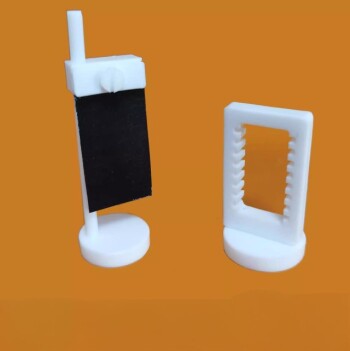
- Custom PTFE Teflon Parts Manufacturer for Hydrothermal Synthesis Reactor Polytetrafluoroethylene Carbon Paper and Carbon Cloth Nano-growth
- PTFE Electrolytic Cell Electrochemical Cell Corrosion-Resistant Sealed and Non-Sealed
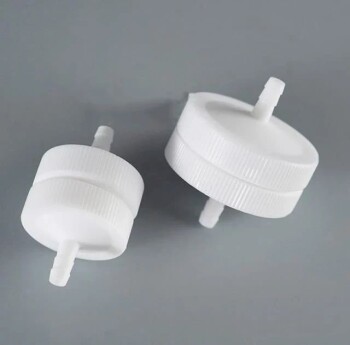
- Custom PTFE Teflon Parts Manufacturer for Sampling Filters
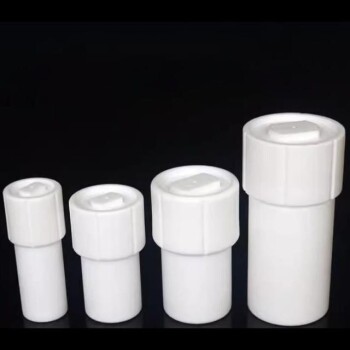
- Custom PTFE Teflon Parts Manufacturer for Microwave Digestion Tank
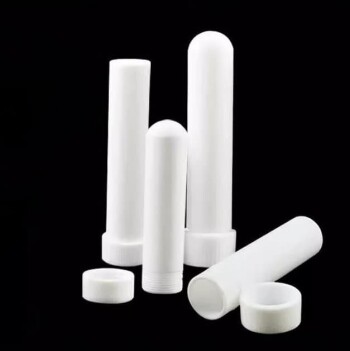
- Custom PTFE Teflon Parts Manufacturer for Centrifuge Tubes
People Also Ask
- What is the function of a PTFE reactor in MXene etching? Ensure Safe, High-Purity MAX Phase Conversion
- Why is a PTFE reactor required for titanium-based nano-ceramic coating solutions? Ensure Chemical Inertness & Purity
- Why must a Polytetrafluoroethylene (PTFE) reactor be used for Ti3C2TX MXene etching? Ensure Safety and Purity
- Why are PTFE reactors preferred for silver phosphate glass testing? Ensure Purity and Kinetic Accuracy
- What are the advantages of using polytetrafluoroethylene (PTFE) liners in hydrothermal synthesis reactors? High Purity