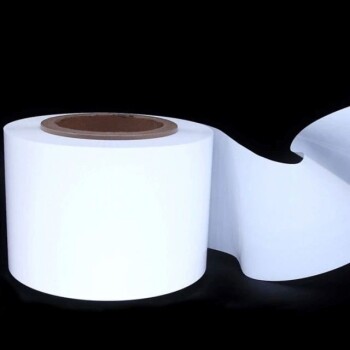
PTFE (polytetrafluoroethylene) insulating tape is the definitive choice for defining reaction areas in electropolishing because it simultaneously solves two critical challenges: chemical degradation and electrical interference. It provides a robust barrier against the harsh acidic electrolytes used in the process while serving as a potent electrical insulator to restrict the electrochemical reaction to a specific, measurable zone.
The Core Takeaway PTFE acts as both a chemical shield and a current blocker. By effectively masking non-test areas, it ensures that the current density calculations are based strictly on the intended reaction surface, preventing data errors caused by stray currents or edge effects.
The Dual Mechanism of Protection
Unwavering Chemical Resistance
Electropolishing typically utilizes aggressive electrolytes, such as mixtures of phosphoric and sulfuric acids. Standard masking materials often degrade or dissolve when exposed to these strong acids.
PTFE is selected specifically for its excellent corrosion resistance. It remains chemically inert even when submerged in these potent acidic mixtures, ensuring the tape does not break down and contaminate the bath or expose the underlying metal.
High Dielectric Strength
Beyond chemical stability, the masking material must prevent the flow of electricity. PTFE possesses high dielectric strength, meaning it is an exceptional electrical insulator.
In an electrochemical cell, current follows the path of least resistance. PTFE tape effectively blocks current flow to the masked areas, ensuring that the electrical energy is focused entirely on the exposed "active" region of the stainless steel sample.
Ensuring Data Precision and Sample Integrity
Eliminating Stray Currents
For electropolishing data to be useful, researchers must accurately calculate current density (current per unit area).
If the masking material leaks or conducts electricity, "stray currents" will interact with non-test areas. This artificially inflates the current readings, making it impossible to calculate the true current density acting on the target surface. PTFE prevents this interference, ensuring the math reflects reality.
Protecting Sample Edges
Metal samples often experience higher current densities at their corners and edges, leading to uneven or excessive dissolution (often called the "edge effect").
By applying PTFE tape to these peripheral areas, researchers protect the edges from aggressive attack. This forces the reaction to occur uniformly across the flat, defined surface area, yielding a consistent surface finish for analysis.
Understanding the Trade-offs
The Risk of Application Errors
While PTFE itself is robust, the reliability of the setup depends entirely on the application of the tape. The "barrier" is only as good as the seal between the tape and the metal.
If the tape is not applied with precision, the electrolyte can seep underneath (crevice corrosion). This undermines the definition of the reaction area and can ruin the sample edges that the tape was meant to protect.
Limitation of Geometry
PTFE tape is excellent for flat or simple geometries. However, due to its physical nature, it may be difficult to apply effectively to highly complex, irregular shapes without creating gaps or overlaps that could trap electrolyte.
Making the Right Choice for Your Goal
When setting up your electropolishing experiment, consider your specific analytical needs:
- If your primary focus is Accurate Current Density Calculations: Ensure the PTFE tape creates a strictly defined geometric window, as this area is the denominator in your calculation.
- If your primary focus is Sample Preservation: Apply the tape generously over all edges and non-essential surfaces to prevent "burning" or pitting at the corners where current concentrates.
Ultimately, PTFE is used not just for protection, but to transform a chaotic electrochemical bath into a controlled, quantifiable experiment.
Summary Table:
| Feature | Benefit in Electropolishing | Impact on Research |
|---|---|---|
| Chemical Inertness | Resists aggressive phosphoric/sulfuric acids | Prevents bath contamination and tape degradation |
| High Dielectric Strength | Acts as a potent electrical insulator | Eliminates stray currents for precise data |
| Edge Protection | Masks corners and peripheral areas | Prevents over-polishing and "edge effects" |
| Surface Definition | Creates a strictly defined geometric window | Ensures accurate current density calculations (mA/cm²) |
Elevate Your Electrochemical Research with KINTEK
Precision in the lab starts with the right materials. Whether you are performing delicate electropolishing or complex material synthesis, KINTEK provides the high-performance tools you need to ensure data accuracy and sample integrity. From premium PTFE consumables and ceramics to advanced electrolytic cells, electrodes, and battery research tools, our portfolio is designed to withstand the most demanding laboratory environments.
Our value to you:
- Comprehensive Equipment Range: Specialized solutions including high-temperature furnaces, hydraulic presses, and autoclaves.
- Material Expertise: High-quality PTFE and ceramic components that ensure chemical and electrical isolation.
- Reliable Results: Tools engineered to eliminate variables like stray currents and contamination.
Optimize your experimental setup today. Contact KINTEK for expert advice and specialized lab equipment!
References
- Paweł Lochyński, Maciej Karczewski. Electrochemical Reduction of Industrial Baths Used for Electropolishing of Stainless Steel. DOI: 10.1155/2018/8197202
This article is also based on technical information from Kintek Solution Knowledge Base .
Related Products
- Custom PTFE Teflon Parts Manufacturer for Non-Standard Insulator Customization
- Custom PTFE Teflon Parts Manufacturer for Gaskets and More
- Customizable PTFE Wafer Carriers for Semiconductor and Lab Applications
- Custom PTFE Teflon Parts Manufacturer for Hydrothermal Synthesis Reactor Polytetrafluoroethylene Carbon Paper and Carbon Cloth Nano-growth
- Custom PTFE Teflon Parts Manufacturer for PTFE Containers
People Also Ask
- How is PTFE utilized for insulation in Alloy 22 corrosion setups? Ensure Signal Purity & Accuracy
- Is PTFE corrosion resistant? Discover the Ultimate Chemical Resistance for Your Lab
- What are the specific applications of PTFE in micro-batch slug flow systems? Enhance Your Microfluidic Reaction Purity
- What is the primary function of PTFE in Gas Diffusion Electrodes (GDE)? Ensure Peak Electrochemical Performance
- What is the function of PTFE in a gas diffusion electrode? Mastering CO2 Electrolyzer Stability