A PTFE-based flow reaction platform fundamentally transforms continuous lignin depolymerization by offering a unique combination of extreme chemical resistance and superior thermal efficiency. By leveraging micro-channel architecture, this technology supports harsh processing environments while compressing reaction times from 12 hours down to approximately 32 minutes.
The core advantage lies in the platform's ability to withstand the full pH spectrum (0–14) while utilizing micro-channels to maximize heat transfer, thereby enabling high-throughput processing that traditional batch reactors cannot match.
Mastering Harsh Chemical Environments
Uncompromised Chemical Inertness
Lignin depolymerization often requires aggressive solvents and catalysts. A PTFE-based platform provides exceptional chemical inertness, ensuring the reactor material does not degrade or interfere with the reaction.
Broad pH Tolerance
The system is designed to operate reliably across the most extreme acidity and alkalinity levels. It maintains structural integrity in environments ranging from pH 0 to pH 14, providing flexibility for various catalytic strategies.
Mechanical Stability Under Pressure
Continuous flow processes require robust containment. This platform offers significant mechanical stability, capable of withstanding system pressures up to 500 psi without failure.
Accelerating Reaction Kinetics
The Micro-Channel Advantage
Unlike large batch vessels, this platform utilizes a micro-channel structure. This design dramatically increases the surface-area-to-volume ratio, facilitating highly efficient heat transfer directly to the reactants.
Drastic Reduction in Reaction Time
The enhanced thermal efficiency results in a massive gain in production speed. While traditional batch methods typically require 12 hours to complete the depolymerization, this platform achieves the same result in roughly 32 minutes.
Operational Constraints and Considerations
Pressure Limits
While 500 psi is sufficient for many liquid-phase reactions, it is a definitive upper limit. Processes requiring extreme high-pressure conditions (such as certain supercritical fluid applications) may exceed the mechanical rating of this specific PTFE platform.
Scale vs. Structure
The benefits of rapid heat transfer are inherent to the micro-channel design. However, users must ensure their specific lignin slurry is compatible with micro-channels to prevent clogging, as the geometry that aids heat transfer also restricts channel width.
Making the Right Choice for Your Goal
To determine if a PTFE-based flow platform is the correct solution for your lignin depolymerization project, consider your specific processing parameters:
- If your primary focus is process efficiency: This platform is ideal, as it reduces residence time by over 95% (from hours to minutes) through superior heat transfer.
- If your primary focus is chemical flexibility: The ability to handle the full pH 0–14 range allows you to experiment with aggressive acidic or basic catalysts without damaging equipment.
Selecting this technology effectively removes the bottleneck of thermal transfer, turning a day-long batch process into a continuous, rapid operation.
Summary Table:
| Feature | Traditional Batch Reactors | PTFE-based Flow Platform |
|---|---|---|
| Reaction Time | ~12 Hours | ~32 Minutes |
| Chemical Resistance | Varies by Material | Extreme (pH 0–14) |
| Heat Transfer | Low (Large Volume) | Superior (Micro-channels) |
| Max Pressure | Varies | Up to 500 psi |
| Scalability | Manual/Batch | Continuous High-Throughput |
Revolutionize Your Chemical Processing with KINTEK
Transition from slow batch cycles to high-efficiency continuous flow. KINTEK specializes in advanced laboratory solutions, including high-performance PTFE products, high-temperature reactors, and precision hydraulic presses. Whether you are conducting lignin research or scaling complex depolymerization, our equipment is engineered to withstand pH 0–14 and high-pressure environments.
Maximize your lab's throughput and precision today.
Contact KINTEK to find your custom equipment solution
References
- Se‐Jun Yim, Dong‐Pyo Kim. Modular Flow Reactors for Valorization of Kraft Lignin and Low‐Voltage Hydrogen Production. DOI: 10.1002/advs.202204170
This article is also based on technical information from Kintek Solution Knowledge Base .
Related Products
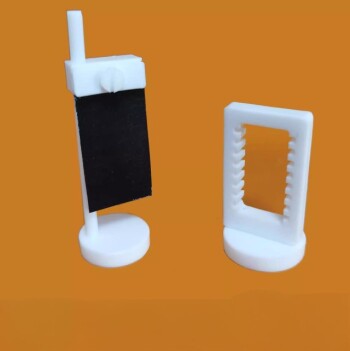
- Custom PTFE Teflon Parts Manufacturer for Hydrothermal Synthesis Reactor Polytetrafluoroethylene Carbon Paper and Carbon Cloth Nano-growth
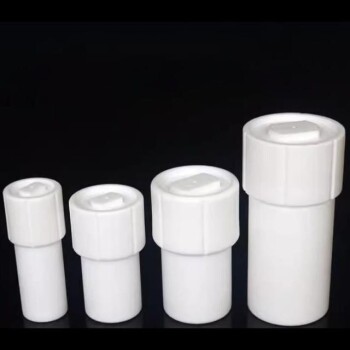
- Custom PTFE Teflon Parts Manufacturer for Microwave Digestion Tank
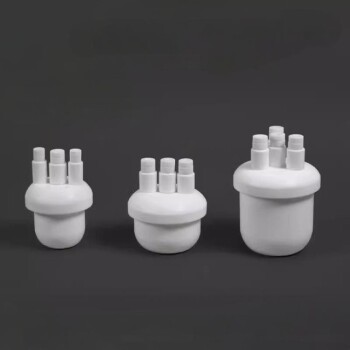
- Custom PTFE Teflon Parts Manufacturer for Three-Necked Round Bottom Flask
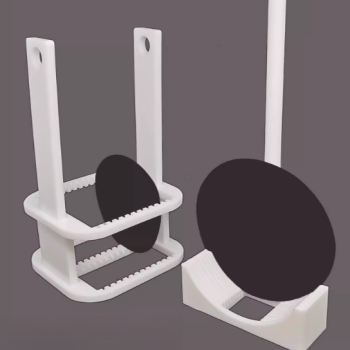
- Customizable PTFE Wafer Carriers for Semiconductor and Lab Applications
- Custom PTFE Wafer Holders for Lab and Semiconductor Processing
People Also Ask
- What is the function of a PTFE reactor in MXene etching? Ensure Safe, High-Purity MAX Phase Conversion
- Why is a PTFE reactor required for titanium-based nano-ceramic coating solutions? Ensure Chemical Inertness & Purity
- Why must a Polytetrafluoroethylene (PTFE) reactor be used for Ti3C2TX MXene etching? Ensure Safety and Purity
- Why are PTFE reactors preferred for silver phosphate glass testing? Ensure Purity and Kinetic Accuracy
- What are the advantages of using polytetrafluoroethylene (PTFE) liners in hydrothermal synthesis reactors? High Purity