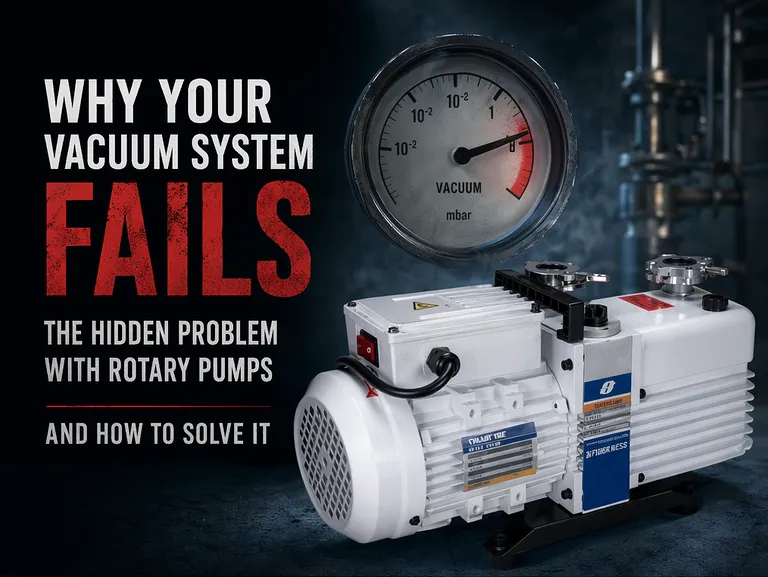
You’ve run the experiment for the third time. The sample is prepared perfectly, the parameters are meticulously set, and your high-end analytical instrument is calibrated. Yet, the results are noisy, inconsistent, or show strange artifacts you can't explain. You check the gas purity, you recalibrate the sensors, you spend weeks troubleshooting, but you keep hitting the same wall.
It feels like you’re fighting an invisible saboteur. The frustrating truth is, you probably are. And it might be coming from the one piece of equipment you trust to be a simple workhorse: your rotary vane vacuum pump.
The Vicious Cycle: Why "Trying Harder" Doesn't Fix Your Vacuum
This scenario is incredibly common in labs worldwide. When faced with contaminated samples or flawed results from a vacuum process (like thin-film deposition or mass spectrometry), the typical response is to look for complex causes.
We blame:
- The sample preparation: "Maybe there was a trace impurity I missed."
- The process gasses: "Is the argon supply contaminated?"
- The analytical instrument: "Let's run another calibration sequence."
We might even decide our vacuum isn't "deep enough" and invest in a more powerful pump, hoping to brute-force the problem away.
Each failed attempt carries a significant cost. It's not just the wasted hours of skilled labor; it's the expensive materials consumed, the project deadlines missed, and the slow erosion of confidence in your own data. The commercial consequences are real: delayed product development, questionable quality control, and stalled innovation. But the solution doesn't lie in working harder; it lies in understanding a fundamental, and often overlooked, principle of your vacuum system.
The Root of the Problem: Your Pump's Greatest Strength Is Its Biggest Weakness
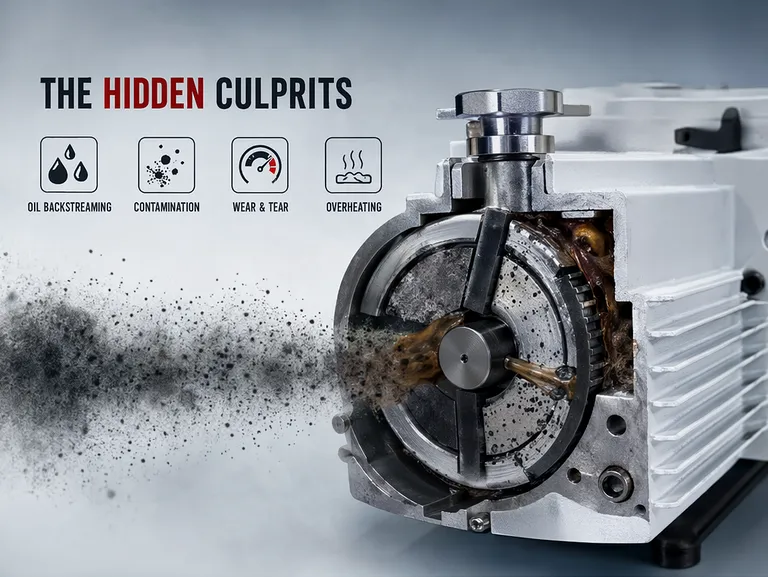
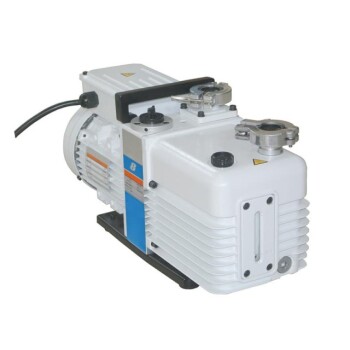
To understand the problem, we need to look at what makes an oil-sealed rotary vane pump work so well. Inside the pump, a rotor with sliding vanes spins eccentrically, creating chambers that expand to draw in gas and then contract to compress and expel it.
So, what ensures this process is efficient? Oil.
A specially formulated oil with very low vapor pressure serves three critical functions:
- It Seals: It creates an airtight seal between the tips of the vanes and the pump housing. Without this seal, you would never achieve a useful vacuum.
- It Lubricates: It keeps all the moving parts running smoothly.
- It Cools: It dissipates the heat generated by compressing gas.
The oil is the hero of the story. But it's also the villain.
The Invisible Saboteur: Oil Backstreaming
The very oil that creates the vacuum has a tendency to migrate in the wrong direction. Tiny amounts of oil vapor can travel backward—from the pump, up the vacuum line, and into your pristine chamber. This phenomenon is called backstreaming.
Think of it like using a powerful fan to blow dust out of a room. While most of the dust goes out, the turbulence can easily kick some of it back into the clean areas.
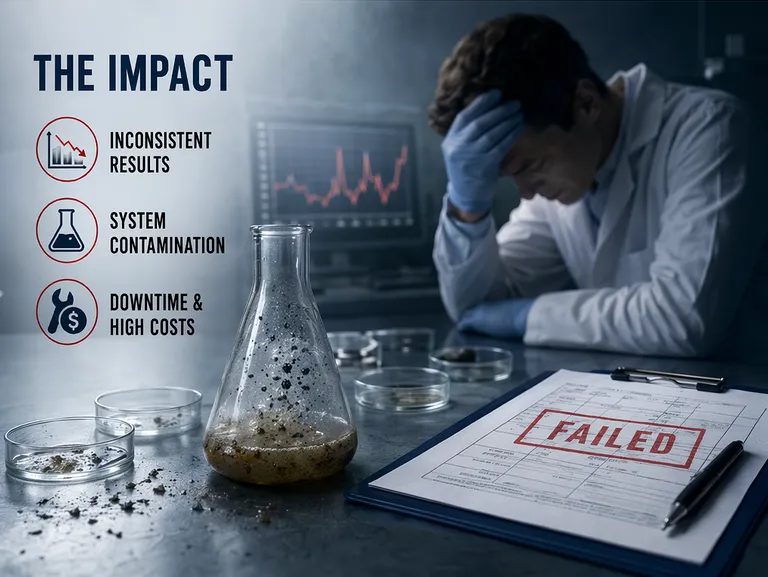
This is why your other troubleshooting efforts fail. You can use 99.999% pure process gas, but if it's mixing with a cloud of hydrocarbon oil vapor inside your chamber, your experiment is already compromised before it even begins. Your pump isn't just removing air; it's potentially replacing it with a different contaminant. The "common solutions" fail because they are treating symptoms, not the underlying disease.
The Solution: Using the Right Tool for the Right Job
Once you understand that the core challenge is not just creating a vacuum but creating a clean vacuum, the path forward becomes clear. It's not about abandoning the rotary vane pump—it's about using it correctly.
Because of the risk of backstreaming, an oil-sealed rotary pump is rarely the right choice for creating the final, high-purity environment for a sensitive process. Its true and vital role is that of a "roughing" or "backing" pump.
Its job is to do the heavy lifting: to quickly and efficiently bring your chamber from atmospheric pressure down to a medium vacuum range (e.g., ~10⁻³ mbar). From there, a different type of pump—one that is clean and oil-free, like a turbomolecular or scroll pump—takes over to achieve the high or ultra-high vacuum your process demands.
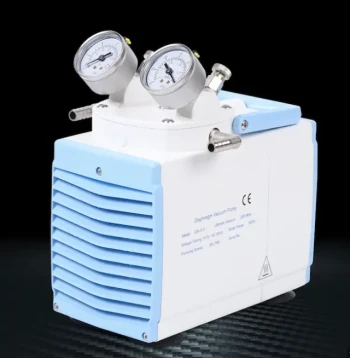
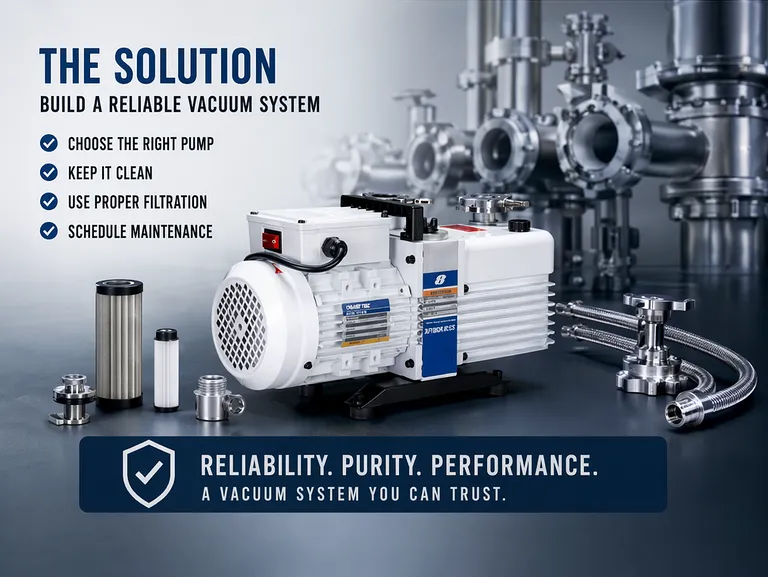
A reliable, high-performance two-stage rotary vane pump is the foundation of this system. It must be powerful enough to do the initial work quickly and robust enough to run for years. This is where a properly selected pump from a trusted supplier becomes indispensable. It's the engine that gets the whole system started, designed with the understanding that it is part of a larger, cleaner solution.
Beyond the Fix: From Fighting Contamination to Fueling Innovation
When you stop fighting your vacuum system and start designing it intelligently, everything changes. The constant, low-level anxiety about data integrity disappears. The time once spent on frustrating troubleshooting is now freed up for genuine research and development.
By implementing a proper roughing/high-vacuum strategy, you unlock new capabilities:
- Achieve True Reproducibility: Generate clean, consistent data you can publish or present to clients with total confidence.
- Explore New Frontiers: Work with ultra-sensitive materials and processes that were previously impossible due to contamination.
- Accelerate R&D Cycles: Move from concept to validated result faster, shortening your time-to-market for new products and technologies.
Solving the vacuum contamination problem isn't just about fixing what's broken. It's about creating an environment of stability and reliability where real innovation can flourish.
Choosing the right vacuum components is the critical first step. It's not just about buying a pump; it's about building a system where every part works in harmony to achieve your goal. Our team doesn't just sell equipment; we help you solve the complex challenges that stand between you and your next breakthrough. To build a vacuum system that truly works for you, let's talk about your specific project needs. Contact Our Experts.
Related Products
- Laboratory Rotary Vane Vacuum Pump for Lab Use
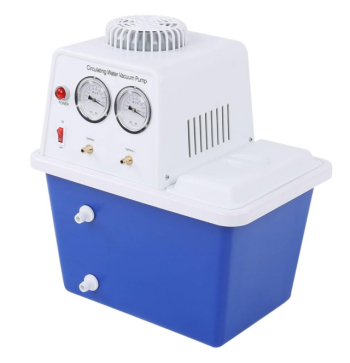
- Circulating Water Vacuum Pump for Laboratory and Industrial Use
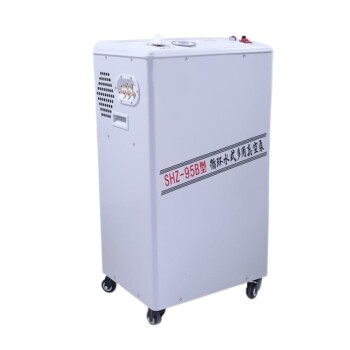
- Laboratory Vertical Water Circulating Vacuum Pump for Lab Use
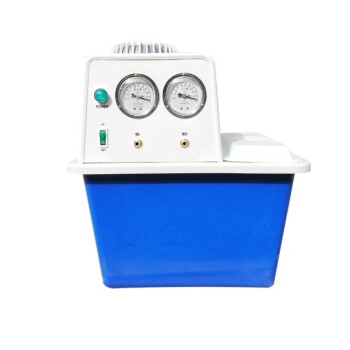
- Laboratory Benchtop Water Circulating Vacuum Pump for Lab Use
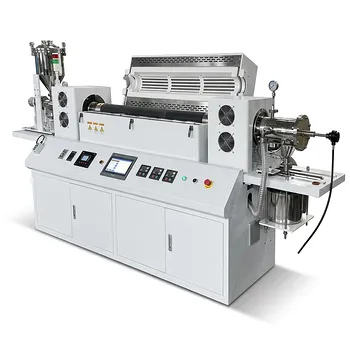
- Vacuum Sealed Continuous Working Rotary Tube Furnace Rotating Tube Furnace