Precision processing is the key to effective biomass upgrading. Constant temperature reaction vessels and heating-stirring equipment facilitate demineralization by maintaining a strictly controlled environment—typically holding reagents like dilute hydrochloric acid at exactly 80°C. This combination ensures uniform chemical exposure and stable reaction kinetics, preventing the inconsistencies that occur with manual or uncontrolled heating methods.
The primary function of this equipment is to automate agitation and thermal regulation, ensuring the complete removal of alkali and alkaline earth metals (AAEMs). This precise control directly results in reduced ash content and optimizes product distribution during subsequent pyrolysis.
The Mechanics of Controlled Demineralization
To understand why this equipment is necessary, one must look at the specific requirements of treating biomass, such as peanut shells, with acid solutions.
Maintaining Stable Reaction Kinetics
The demineralization process relies on stable reaction kinetics.
By using a constant temperature vessel, you maintain the treatment environment at a precise point, such as 80°C. This prevents temperature fluctuations that could either stall the reaction or degrade the biomass structure prematurely.
Ensuring Thorough Chemical Contact
Biomass is naturally heterogeneous and bulky.
High-precision stirring equipment is essential to force thorough contact between the solid biomass and the liquid acid solution (e.g., 10 wt% dilute hydrochloric acid). Continuous agitation eliminates "dead zones" where the acid might otherwise fail to penetrate the material effectively.
Standardization of Treatment Time
These systems allow for exact duration control, typically set to one hour in standard protocols.
This ensures that every batch of biomass receives the exact same level of exposure, making the process reproducible and scalable.
Impact on the Final Product
The use of this specific equipment chain is not just about process control; it fundamentally alters the quality of the end material.
Efficient Removal of AAEMs
The combination of heat and stirring is critical for the efficient leaching of alkali and alkaline earth metals (AAEMs).
Without the kinetic energy provided by heat and the mass transfer provided by stirring, these metals often remain trapped within the biomass matrix.
Reduction of Ash Content
The direct result of effective AAEM removal is a significant drop in the ash content of the resulting bio-char.
Low-ash bio-char is generally considered higher quality and more stable for various industrial applications.
Altering Pyrolysis Pathways
Demineralization changes how the biomass behaves when it is later subjected to pyrolysis.
By removing catalytic metals beforehand, the heating-stirring treatment effectively alters the product distribution, changing the ratio of bio-oil, gas, and char produced in downstream processing.
Operational Considerations and Trade-offs
While high-precision equipment offers superior results, it introduces specific constraints that must be managed.
Chemical Compatibility Requirements
Because the process often involves corrosive agents like hydrochloric acid, the reaction vessels and stirrers must be made of chemically resistant materials.
Standard stainless steel may degrade over time; glass-lined or specialized alloy equipment is often required to prevent contamination.
Energy Consumption
Maintaing a large volume of liquid at 80°C with continuous mechanical stirring requires constant energy input.
Operators must balance the cost of energy against the value of the purity gained in the demineralized biomass.
Making the Right Choice for Your Goal
To determine if this level of instrumentation is required for your specific biomass application, consider your end goals.
- If your primary focus is High-Purity Bio-char: You must use constant temperature and stirring to maximize AAEM removal and minimize ash content.
- If your primary focus is Pyrolysis Optimization: You need this equipment to ensure the specific removal of catalytic metals that would otherwise skew your product distribution.
Ultimately, the use of precision heating and stirring transforms demineralization from a rough soaking process into a controlled chemical reaction, guaranteeing a cleaner and more predictable biomass feedstock.
Summary Table:
| Feature | Function in Demineralization | Impact on Biomass |
|---|---|---|
| Constant Temperature | Maintains stable kinetics (e.g., 80°C) | Prevents biomass degradation & ensures reaction consistency |
| High-Precision Stirring | Eliminates "dead zones" & ensures chemical contact | Maximizes leaching of alkali and alkaline earth metals (AAEMs) |
| Automated Timing | Controls exposure duration (e.g., 1 hour) | Ensures batch-to-batch reproducibility and scalability |
| Chemical Resistance | Protects vessel from corrosive acids (HCl) | Prevents equipment failure and material contamination |
Elevate Your Biomass Research with KINTEK Precision
Maximize the purity of your bio-char and optimize pyrolysis pathways with KINTEK’s high-precision laboratory solutions. Whether you need chemically resistant reaction vessels, high-temperature reactors, or advanced stirring and heating systems, we provide the specialized tools necessary for superior biomass upgrading.
From high-pressure autoclaves to precision milling and crushing systems, KINTEK specializes in laboratory equipment that guarantees reproducible results for demanding industrial and research applications.
Ready to refine your demineralization process? Contact KINTEK today to discover how our high-temperature furnaces and reactor solutions can enhance your laboratory's efficiency and output quality.
References
- L.I. Gurevich Messina, Ana Lea Cukierman. Effect of acid pretreatment and process temperature on characteristics and yields of pyrolysis products of peanut shells. DOI: 10.1016/j.renene.2017.07.065
This article is also based on technical information from Kintek Solution Knowledge Base .
Related Products
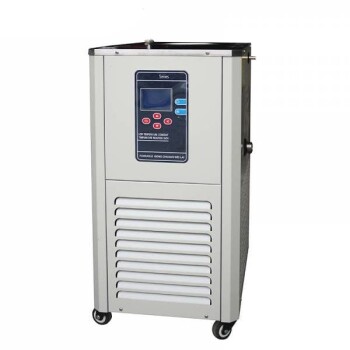
- High Temperature Constant Temperature Heating Circulator Water Bath Chiller Circulator for Reaction Bath
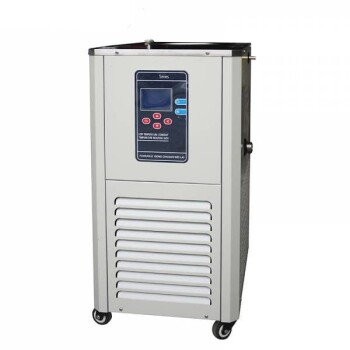
- 10L Chilling Circulator Cooling Water Bath Low Temperature Constant Temperature Reaction Bath
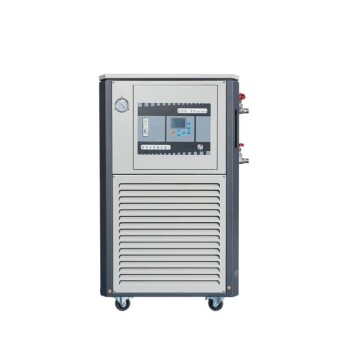
- 50L Chiller Water Bath Cooling Circulator Low Temperature Constant Temperature Reaction Bath
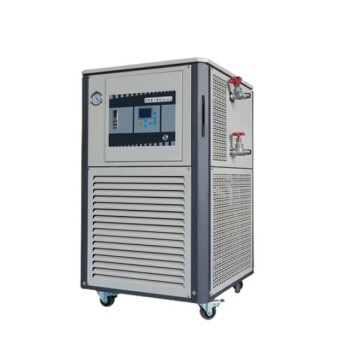
- 30L Chiller Water Bath Cooling Circulator Low Temperature Constant Temperature Reaction Bath
- 5L Chilling Circulator Cooling Water Bath Circulator for Low Temperature Constant Temperature Reaction Bath
People Also Ask
- What is the necessity of a circulating water bath in chlorate production? Optimize Yield & Purity with Precision
- How does a constant temperature circulator support the leaching reaction of gold scrap? Optimize Gold Recovery Results
- How do constant temperature circulators impact weight-loss immersion tests? Ensure Precision in Corrosion Analysis
- Why is a constant temperature water bath used for precursor storage in CVD? Achieve Stable Nanocrystalline SiC Deposition
- Why is a high-precision constant temperature water bath necessary for anaerobic digestion? Ensure Success at 37±0.02°C